

How to Manage Dry Mouth and Throat Effectively
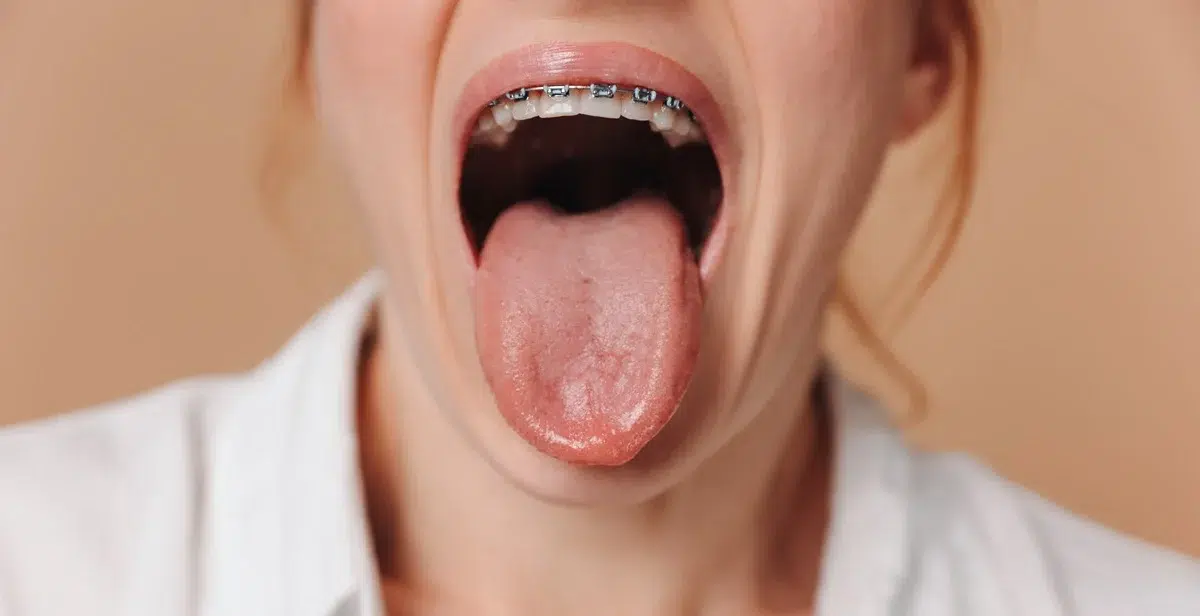
Most people have woken up with a parched mouth after a night of mouth breathing or forgotten to hydrate. That kind of occasional dryness is completely normal. But when your mouth feels dry most of the time, you might need a quick dental visit. That’s xerostomia, the clinical term for chronic dry mouth, and it affects roughly one in five people.
What makes it more than just an inconvenience is what happens underneath the surface. Saliva does far more than keep your mouth moist. It moistens and breaks down food, washes away food particles from the teeth and gums, helps with swallowing, and contains minerals such as calcium and phosphate that help fight tooth decay. When saliva production drops, your mouth loses its built-in defense system, and that’s when problems pile up.
Hallmark Dental can help identify what’s driving your dry mouth and put together a plan that addresses the root of it.
What’s Causing Your Dry Mouth?
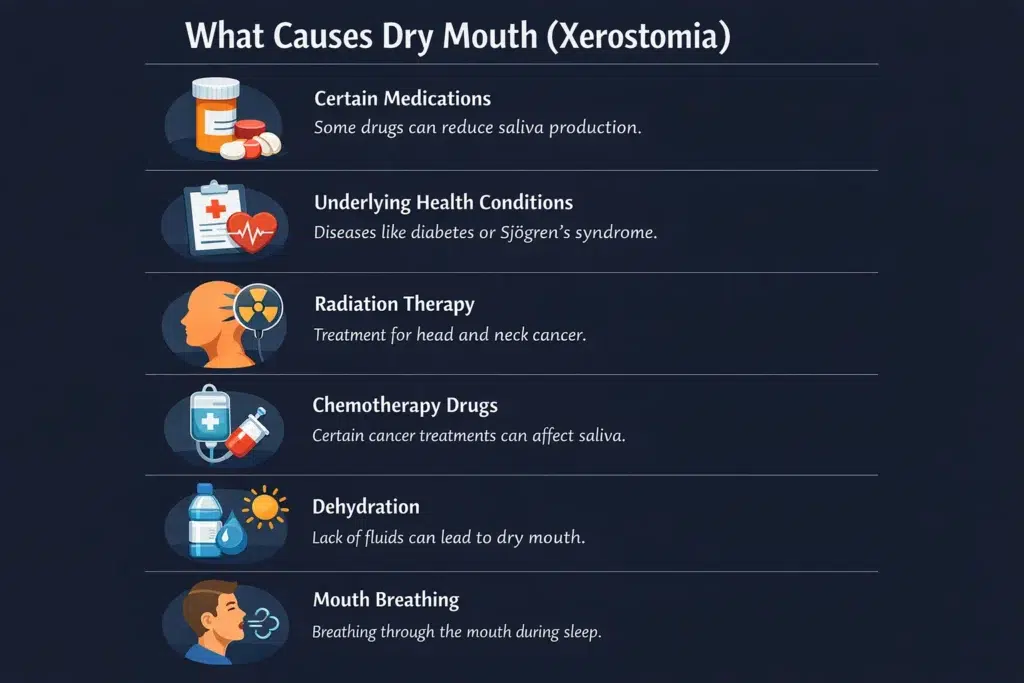
Dry mouth rarely happens without a reason. Identifying the causes of dry mouth is the first step to getting real relief.
- Medications are often the reason behind dry mouth. Over 400 commonly used medications are known to cause dry mouth and increase oral disease risk. This includes antihistamines, decongestants, antidepressants, diuretics, and blood pressure medications. If you recently started a new medication and noticed your mouth getting drier, that connection is likely not a coincidence.
- Systemic health conditions also play a role. Sjögren’s syndrome, an autoimmune disorder, directly targets the salivary glands. Diabetes can impair salivary secretion. Research shows that salivary gland dysfunction in diabetic patients is predominantly characterized by impaired salivary secretion, resulting in diminished saliva flow, a sensation of dry mouth, and an elevated risk of dental caries.
Beyond medications and health conditions, other common contributors include:
- Breathing through your mouth, particularly at night
- Tobacco and alcohol use
- Dehydration
- Cancer treatments like radiation therapy and chemotherapy, which can damage salivary glands
- High stress and anxiety
If you notice the signs of dry mouth persist, seeing a dentist in Lewisburg sooner rather than later is a smart move.
How Dry Mouth Affects Your Throat and Your Teeth
The throat often takes the hit right alongside the mouth. Chronic dryness can irritate the tissues of the throat, causing persistent discomfort or voice changes. You might notice a scratchy feeling when you swallow, hoarseness, or a sore throat that doesn’t seem to have an obvious cause.
From a dental standpoint, the damage is significant. Without saliva as a natural defense, plaque and bacteria can build up quickly at the base of your teeth, making you more vulnerable to bad breath, tooth decay, and gum disease. Dry mouth can also lead to oral thrush (a fungal infection), burning mouth syndrome, and mouth sores. For people who wear dentures, a lack of saliva makes them much harder to keep in place and can cause painful sores on the gums.
Practical Ways to Manage Dry Mouth at Home
Before booking an appointment, there’s quite a bit you can do on your own to ease symptoms. None of these is complicated, but consistency matters.
- Stay hydrated. Sipping water throughout the day keeps your oral tissues moist and helps compensate for reduced saliva. Carry a water bottle wherever you go.
- Chew sugarless gum. Chewing stimulates your salivary glands to produce more saliva. Look for gum sweetened with xylitol, which has the added benefit of fighting cavity-causing bacteria.
- Use a cool-mist humidifier at night. If you breathe through your mouth at night, a cool-mist humidifier can reduce dryness while you sleep. This is especially useful during Tennessee’s drier winter months.
- Avoid things that make dryness worse. That means cutting back on alcohol, caffeine, and tobacco. Avoid mouthwashes containing alcohol or peroxide, as these ingredients will further dry out your mouth. Acidic, spicy, and sugary foods are also worth limiting.
- Switch to dry mouth-supportive oral care products. There are toothpastes, mouth rinses, and moisturizing gels formulated specifically for xerostomia. These can make a noticeable difference in day-to-day comfort.
- Take medications wisely. If a medication is causing dry mouth, take it in the morning rather than at night, since nighttime dryness is more likely to lead to cavities and other dental issues.
When to See a Dental Practitioner About Dry Mouth
Home remedies help relieve symptoms, but they don’t address underlying causes. If your mouth has been persistently dry for more than a week, or if you’re already noticing signs of tooth decay or gum irritation, it’s time to get a professional opinion.
A dentist in Lewisburg at Hallmark Dental will review your medical history, discuss the medications you’re taking, and assess the state of your oral health. Depending on what they find, they may recommend prescription-strength fluoride to protect weakened enamel, more frequent cleanings to stay ahead of plaque buildup, or a referral to a physician if an underlying health condition appears to be the cause. In more persistent cases, prescription medications that stimulate saliva production, such as pilocarpine, may be appropriate.
Don’t wait until cavities or gum disease set in. Lewisburg residents have access to comprehensive dental care right here at Hallmark DDS, so there’s no reason to let dry mouth quietly do damage.
Good Oral Hygiene Becomes Even More Important
When your saliva isn’t doing its job, your oral hygiene routine has to work harder. The ADA and NIDCR both recommend:
- Brushing at least twice a day with fluoride toothpaste
- Flossing daily to clear bacteria between teeth
- Rinsing with an alcohol-free antimicrobial mouthwash
- Visiting your dentist regularly – ideally every three to four months if dry mouth is chronic, rather than the standard six-month interval
These habits won’t cure xerostomia, but they dramatically reduce the oral damage it can cause over time.
The team at Hallmark Dental in Lewisburg, TN, is here to help you figure out what’s going on and get your oral health back on track. Book your appointment today.
Dry Mouth Related Questions People Also Ask
Can dry mouth cause a sore throat even if I’m not sick?
Yes. Persistent dry mouth reduces the moisture that normally protects and soothes throat tissues. This can cause a chronic, scratchy, or sore throat without infection.
Is dry mouth at night different from daytime dry mouth?
It can be. Nighttime dry mouth is often related to mouth breathing during sleep and tends to be more damaging to teeth because saliva production naturally drops while you sleep. A humidifier, nasal strips, or treating underlying sleep issues can help.
Can stress cause dry mouth?
Yes. Stress and anxiety activate your nervous system in ways that reduce saliva output. Many people notice dry mouth before a stressful event – it’s the same mechanism at work, just sustained over a longer period.
Are there foods that actually help with dry mouth?
Foods with high water content, like cucumbers, celery, and watermelon, can help. Soft, moist foods are also easier to eat when saliva is low. Avoid dry, crunchy, salty, or spicy foods, which can worsen symptoms.
Can children get dry mouth, or is it mainly an adult condition?
Children can develop dry mouth, too, though it’s more common in adults and becomes more common with age. In children, it’s often linked to medications, mouth breathing, or dehydration. If you notice your child frequently complaining of a dry or sticky mouth, it’s worth mentioning to their dentist.