
Dental Veneers in Lewisburg, TN | Hallmark Dental Lewisburg
If you’ve been searching for dental veneers explained — what they fix, what they don’t, and whether they’re right for you in Lewisburg — you’re in the right place. Veneers are one of the most talked-about cosmetic dental treatments available today. But a lot of patients come to Hallmark Dental Lewisburg with questions and misconceptions. Dr. David Donelson wants to give you the clear, honest information you need before making any decision.
What Are Dental Veneers, Exactly?
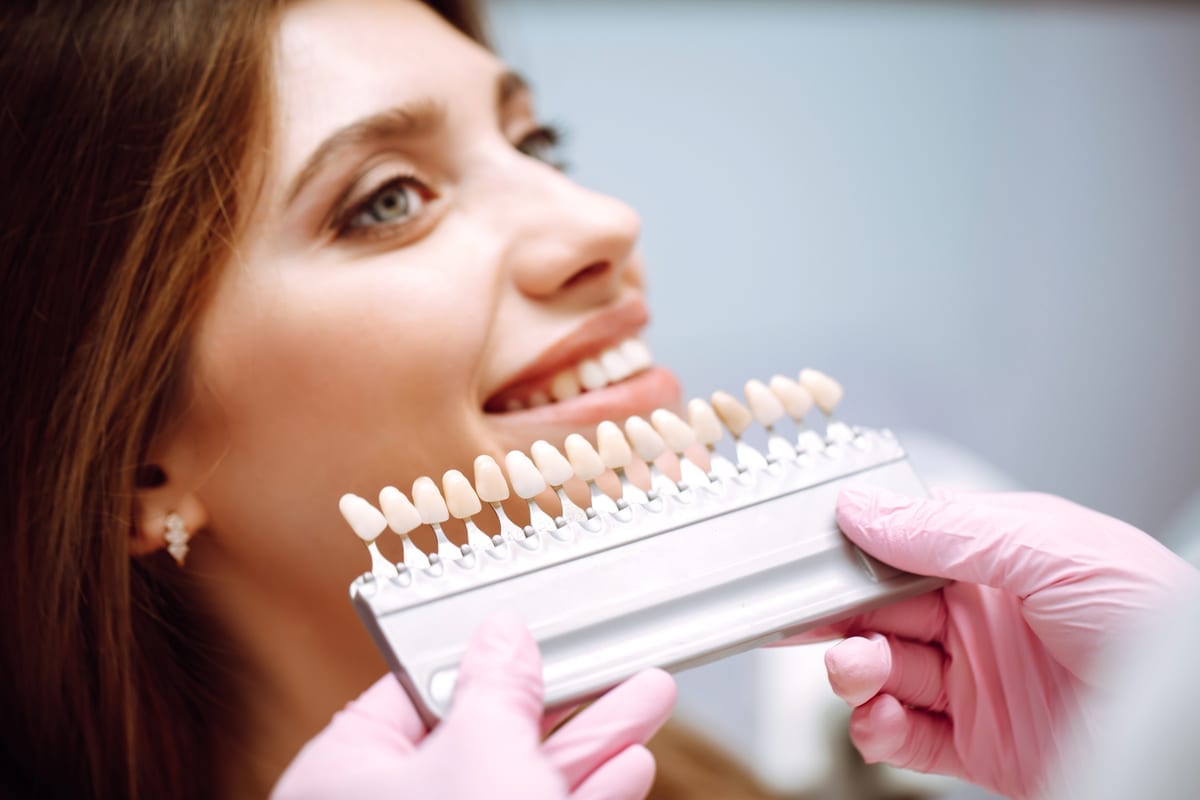
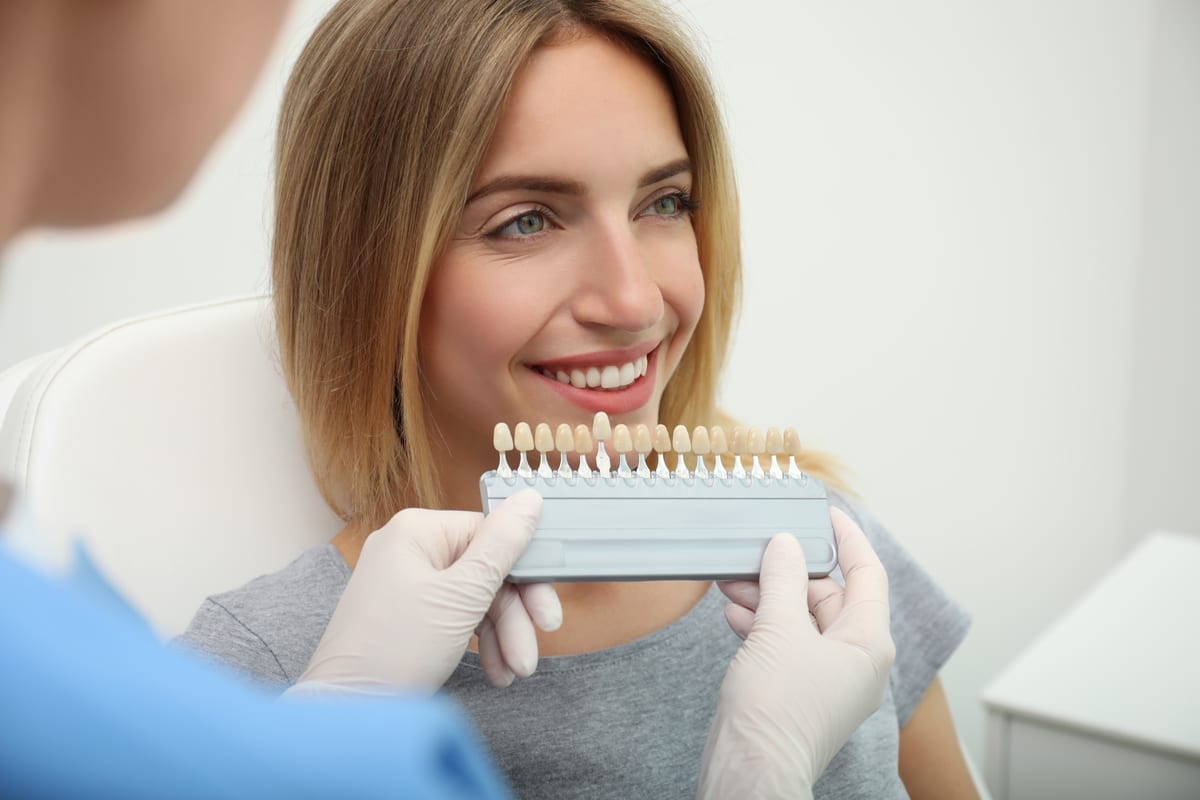
Dental veneers are thin shells made from porcelain or composite resin. They bond directly to the front surface of your teeth. Think of them like a custom-fitted cover that transforms how your smile looks.
Porcelain veneers are the most popular choice. They resist stains well and closely mimic the natural look of tooth enamel. Composite veneers are thinner and require less preparation but may not last as long.
The process typically involves two to three appointments. Dr. Donelson will assess your teeth, prepare the surface, and place your custom-made shells. The result is a dramatically improved smile that still looks and feels natural.
What Problems Can Dental Veneers Fix in Lewisburg?
Veneers solve a wide range of cosmetic concerns. They are not a one-size-fits-all solution, but they work beautifully for specific smile issues. Here is what dental veneers can address effectively:
- Stained or discolored teeth that don’t respond to whitening treatments
- Chipped or cracked teeth with minor structural damage
- Gaps between teeth that feel too small for braces
- Slightly misaligned teeth that are mildly crooked
- Worn-down teeth caused by grinding or age
- Uneven or irregularly shaped teeth that affect your smile’s symmetry
Many patients in Lewisburg choose veneers after years of feeling self-conscious about their smile. They offer a relatively fast path to noticeable, lasting results. For the right candidate, veneers can be genuinely life-changing.
What Dental Veneers Cannot Fix
This is where honest education matters most. Veneers are a cosmetic solution — not a structural or medical one. Understanding their limits helps you make the right choice for your long-term oral health.
Veneers are not appropriate in these situations:
- Severe tooth decay — decay must be treated first with Fillings or other restorative care before veneers can be placed
- Significant misalignment — major crowding or bite issues require orthodontic treatment like Invisalign
- Severely damaged teeth — a tooth with extensive damage may need a crown instead
- Active gum disease — veneers cannot be placed on unhealthy gum tissue
- Teeth grinding (bruxism) — ongoing grinding can crack or dislodge veneers over time
Dr. Donelson always performs a thorough exam before recommending veneers. If another treatment suits your needs better, he will tell you honestly. The goal is always your healthiest, most confident smile — not just the quickest cosmetic fix.
Are You a Good Candidate for Veneers?
Good candidates for veneers have healthy gums and mostly intact teeth. They want cosmetic improvement but don’t need major structural work. If you have minor chips, stubborn stains, or small gaps, you may be an excellent fit.
Patients who grind their teeth at night may need to address that habit first. Wearing a night guard can protect veneers and extend their lifespan. Dr. Donelson will discuss all of this during your consultation.
Age also plays a role. Younger teens may not yet be candidates because their teeth are still developing. Adults of all ages, however, regularly benefit from veneers with excellent long-term results.
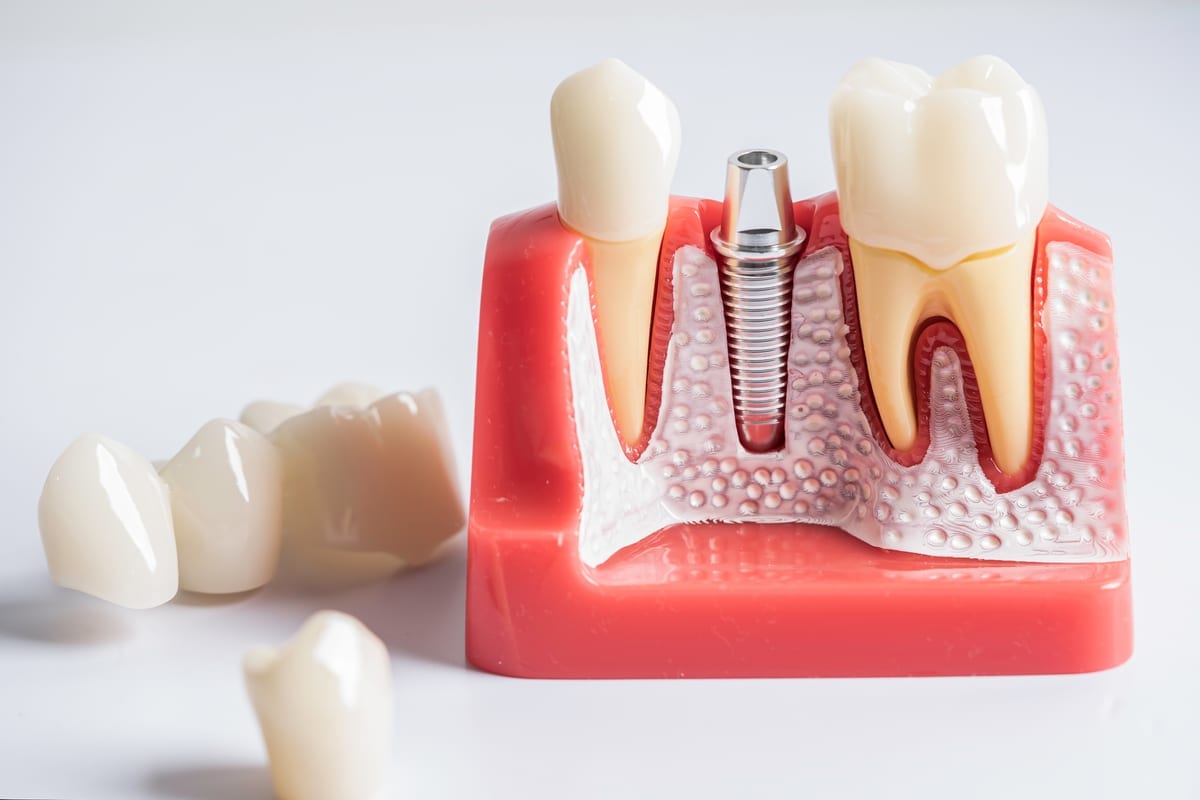
It’s also worth noting that veneers are a permanent treatment. A small amount of enamel is removed to bond the shell to your tooth. Once placed, that tooth will always need a veneer or another covering. This is why the decision deserves careful thought and professional guidance.
How Veneers Compare to Other Smile Treatments
Patients in Lewisburg often ask how veneers compare to whitening, crowns, or orthodontics. Each treatment solves a different problem. Knowing the difference helps you set realistic expectations.
Teeth whitening is ideal for surface stains and discoloration. But whitening doesn’t change tooth shape or fix chips. Veneers can do both simultaneously, making them more versatile for cosmetic cases.
Dental crowns cover the entire tooth, including the back. Veneers only cover the front surface. Crowns are better suited for teeth with significant decay or damage that veneers cannot adequately address.
Orthodontic treatment like Invisalign corrects bite issues and repositions teeth over time. Veneers can mask mild crookedness but don’t move teeth. For serious alignment problems, orthodontics is the more appropriate path.
In some cases, a patient may benefit from a combination of treatments. For example, straightening teeth first with Invisalign and then finishing with veneers for color and shape can produce stunning results. Dr. Donelson will help you map out the right sequence if that applies to you.
It’s also important to know that dental emergencies can sometimes affect existing veneers. If a veneer chips or a tooth behind one becomes painful, reaching out to an Emergency Dentist promptly protects your smile and overall dental health.
What to Expect During Your Veneer Consultation in Lewisburg
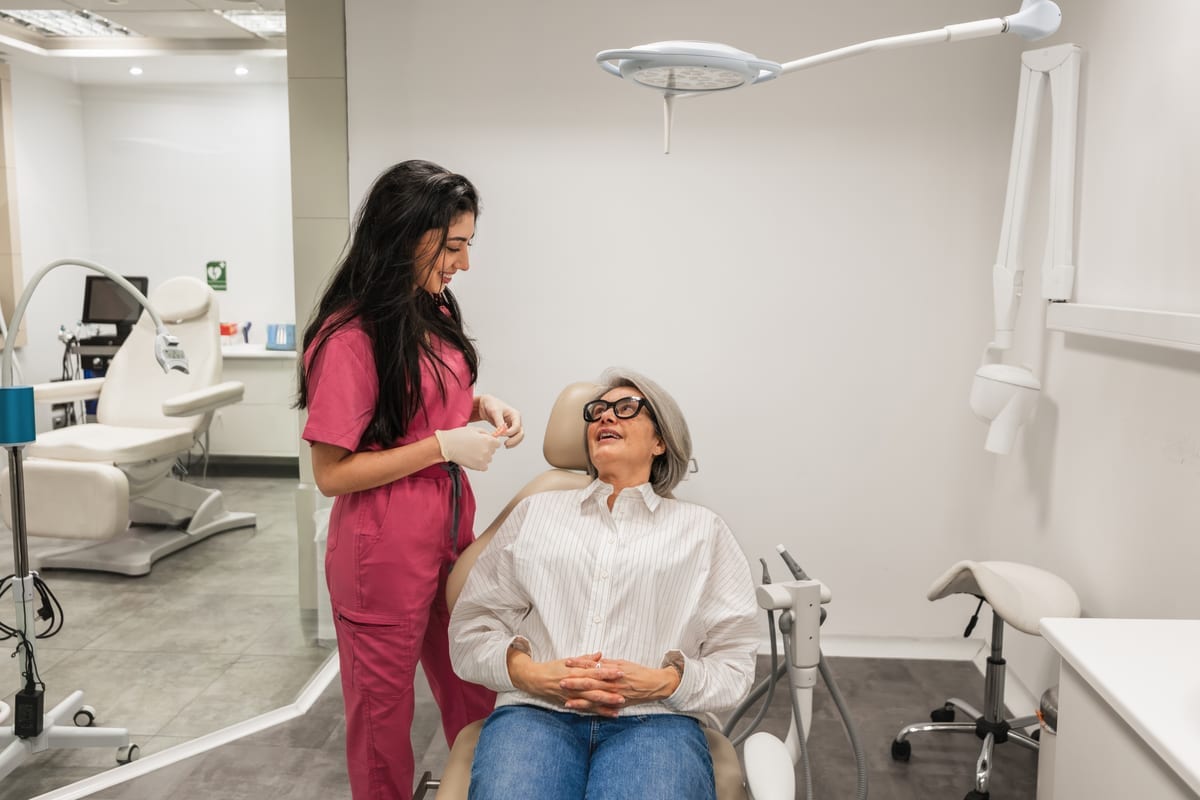
Your first step is a consultation with Dr. Donelson at Hallmark Dental Lewisburg. He will examine your teeth, take X-rays if needed, and discuss your smile goals. This appointment is all about understanding what you want and what’s clinically possible.
If you’re a good candidate, the next step involves tooth preparation. A thin layer of enamel is gently removed from the front of each tooth. This creates space for the veneer to sit flush with surrounding teeth.
Impressions or digital scans are then sent to a dental lab. Your custom veneers are crafted to match your desired shape and shade. Temporary veneers may be placed while you wait.
At your final appointment, the permanent veneers are bonded to your teeth. Dr. Donelson checks your bite and makes any fine adjustments. You leave the office with a completely transformed smile.
Caring for Your Veneers Long-Term
Veneers are durable, but they require consistent care. Brush twice daily with a non-abrasive toothpaste. Floss daily and attend your regular dental cleanings every six months.
Avoid biting hard objects like ice, pens, or fingernails. These habits can crack or chip even the strongest veneers. Wearing a night guard if you grind your teeth adds an important layer of protection.
With proper care, porcelain veneers can last 10 to 15 years or longer. Composite veneers typically last five to seven years. Routine maintenance and good oral hygiene are the biggest factors in how long your veneers last.
At Hallmark Dental Lewisburg, we love seeing patients maintain their beautiful results year after year. If you have any concerns about your veneers between visits, don’t wait — contact us right away.
Veneers can truly transform the way you feel about your smile. Understanding exactly what they fix — and what they don’t — puts you in the best position to make a confident, informed decision. Dr. Donelson and the team at Hallmark Dental Lewisburg are here to guide you every step of the way. Book Now to schedule your appointment with our team.
Frequently Asked Questions
How long do dental veneers last?
Porcelain veneers typically last 10 to 15 years with proper care. Composite veneers usually last five to seven years. Good oral hygiene, regular dental visits, and avoiding hard foods all help extend their lifespan significantly.
Do veneers hurt to get?
Most patients experience little to no discomfort during the veneer process. Local anesthesia is used during tooth preparation to keep you comfortable. Some mild sensitivity after placement is normal and usually fades within a few days.
Can veneers fix crooked teeth?
Veneers can mask mild misalignment and make teeth appear straighter. However, they do not physically move teeth. For moderate to severe crookedness or bite issues, orthodontic treatment like Invisalign is a more appropriate solution.
Are dental veneers reversible?
Veneers are considered a permanent treatment because a small amount of enamel is removed during preparation. That tooth will always need a veneer or crown going forward. It’s important to discuss this commitment fully with Dr. Donelson before proceeding.
What’s the difference between veneers and crowns?
Veneers cover only the front surface of a tooth and are primarily cosmetic. Crowns cap the entire tooth and are used for teeth with more significant structural damage or decay. Dr. Donelson will recommend the right option based on your specific dental needs.