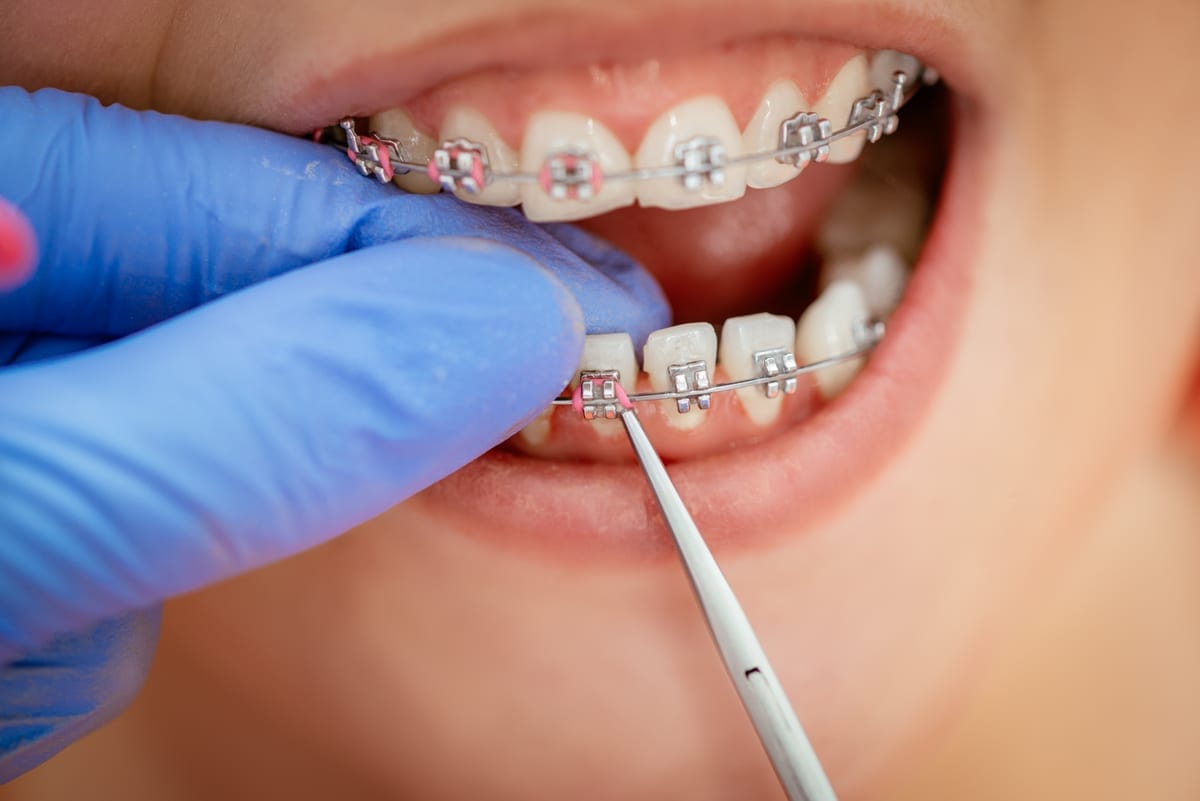

Dental Implant Recovery in Brentwood, TN
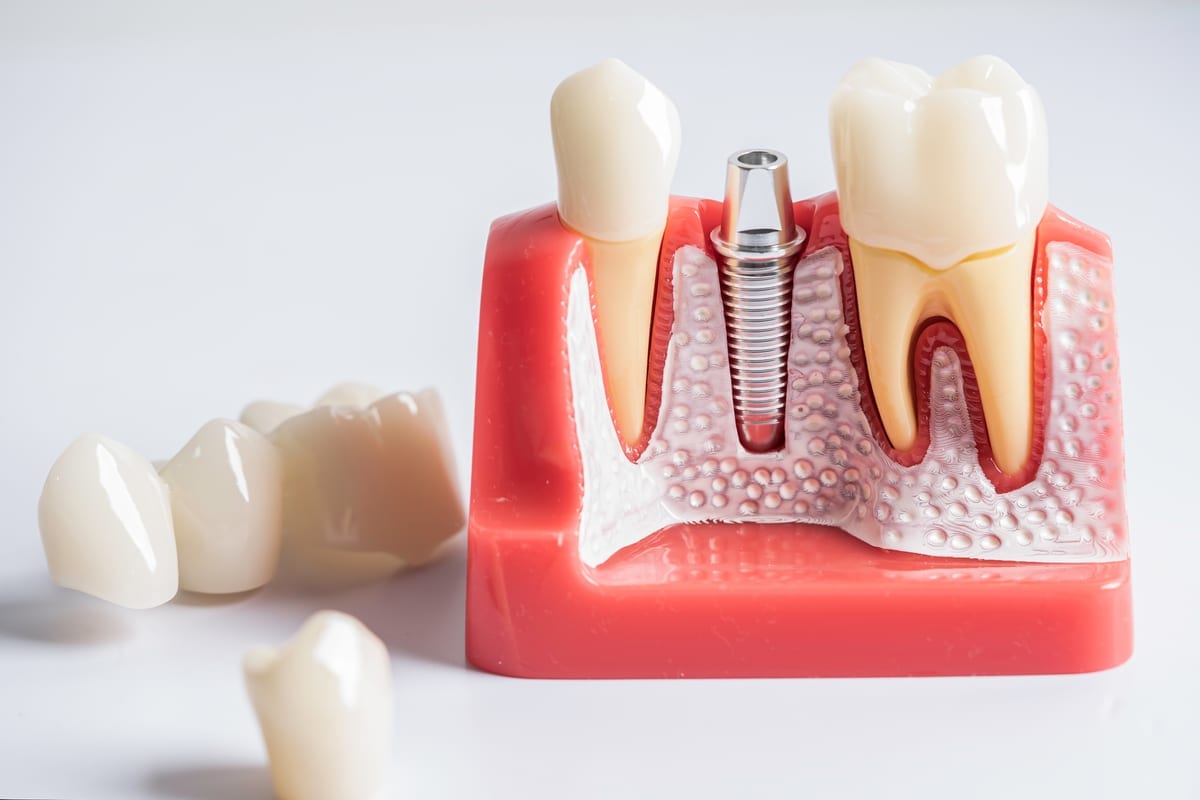
Getting dental implants is a life-changing decision. But many patients wonder what happens after the procedure. Your complete guide to dental implant recovery and aftercare in Brentwood covers everything you need to know. Dr. David Donelson and the team at Hallmark Dental Brentwood are here to walk you through every step.
Understanding your recovery helps you heal faster and protect your investment. Implants can last a lifetime with proper care. The more prepared you are, the smoother your journey will be.
What to Expect During Dental Implant Recovery in Brentwood
The recovery process after dental implants happens in stages. Most patients experience some swelling, tenderness, and minor bleeding right after surgery. These reactions are completely normal and expected. They typically peak within the first 48 to 72 hours.
Your body needs time to fuse the implant to the jawbone. This process is called osseointegration. It can take anywhere from three to six months to complete. During this time, it is important to follow all post-op instructions carefully.
Some patients feel well enough to return to light activity within a day or two. Others may need a few more days of rest. Listen to your body and do not rush the healing process. Dr. Donelson will give you personalized guidance based on your specific case.
Watch for signs of complications, such as prolonged bleeding or increasing pain after day three. If you develop a severe infection or unusual symptoms, contact an Emergency Dentist right away. Catching issues early leads to better outcomes.
Recovery Timeline: Week by Week
Knowing what to expect each week reduces anxiety and confusion. Here is a general breakdown of the implant recovery timeline:
- Days 1–3: Swelling and discomfort are at their highest. Rest as much as possible and apply ice packs in 20-minute intervals.
- Days 4–7: Swelling begins to subside. Most patients reduce or stop prescription pain medication during this phase.
- Weeks 2–4: Gum tissue starts to heal visibly. Tenderness around the implant site decreases significantly.
- Months 1–3: Osseointegration is actively occurring. Avoid hard or crunchy foods during this period.
- Months 3–6: The implant fully integrates with the bone. Your dentist will confirm healing before placing the permanent crown.
Every patient heals at a slightly different pace. Age, overall health, and bone density all play a role. Follow-up appointments with Dr. Donelson help track your progress at each stage.
What to Eat After Dental Implant Surgery
Your diet plays a major role in how quickly you recover. Eating the wrong foods can disrupt healing or even damage the implant site. Start with soft foods immediately after surgery and gradually reintroduce normal foods as healing progresses.
Good soft food options in the first week include:
- Yogurt, smoothies, and applesauce
- Mashed potatoes, scrambled eggs, and soft-cooked oatmeal
- Soup broth and protein shakes
- Soft fish like tilapia or salmon
- Bananas and ripe avocado
Avoid hot beverages, spicy foods, and anything crunchy for at least two weeks. Hard foods like nuts, chips, or raw carrots can place pressure on the implant. That pressure may interfere with osseointegration.
Alcohol and smoking should be avoided entirely during recovery. Both slow healing and raise the risk of implant failure. Staying well hydrated with water supports tissue repair and overall healing.
Pain Management and Medication Tips
Mild to moderate discomfort is normal after implant surgery. Dr. Donelson will recommend an appropriate pain management plan for your situation. Most patients manage well with over-the-counter pain relievers like ibuprofen or acetaminophen.
Ibuprofen works well because it reduces both pain and inflammation. Take it as directed and do not exceed the recommended dosage. If prescription pain medication is provided, use it only as needed and for the shortest time necessary.
Ice packs are extremely effective in the first 24 to 48 hours. Apply them to the outside of your cheek in 20-minute intervals. After the first two days, switch to warm compresses if swelling persists.
Avoid aspirin during the first few days after surgery. It can thin the blood and increase bleeding at the implant site. If you have existing dental restorations that need attention during recovery, ask about Fillings and how they may factor into your treatment plan.
Long-Term Aftercare for Dental Implants
Once your implant fully heals, maintaining it is straightforward. Dental implants do not decay like natural teeth, but the surrounding gum tissue still needs care. Poor oral hygiene can lead to a condition called peri-implantitis, which threatens implant stability.
Follow these long-term care habits to protect your implants for years to come:
- Brush twice daily with a soft-bristled toothbrush
- Floss around the implant daily using implant-safe floss or a water flosser
- Use a non-abrasive toothpaste to protect the crown surface
- Avoid chewing on ice, hard candy, or pen caps
- Schedule professional cleanings every six months at Hallmark Dental Brentwood
Regular dental check-ups allow Dr. Donelson to monitor bone levels and implant stability. Early detection of any issues keeps small problems from becoming bigger ones. Consistent care is the key to a lifetime of success with your implant.
If you grind your teeth at night, talk to Dr. Donelson about a custom night guard. Bruxism places excessive force on implants and can cause long-term damage. A night guard is a simple, effective way to protect your investment.
Conclusion: Start Your Recovery With Confidence
Dental implant recovery does not have to be overwhelming. With the right information and a trusted dental team by your side, you can heal comfortably and confidently. Hallmark Dental Brentwood is committed to supporting every patient through every phase of care. Book Now to schedule your appointment with our team.
Frequently Asked Questions
How long does dental implant recovery take in Brentwood?
Full recovery typically takes three to six months. This allows the implant to fully fuse with your jawbone through a process called osseointegration. Most patients feel comfortable within the first two weeks, but complete healing takes longer.
What can I eat after getting a dental implant?
Stick to soft foods like yogurt, mashed potatoes, smoothies, and scrambled eggs for the first one to two weeks. Avoid hard, crunchy, or sticky foods until Dr. Donelson confirms your implant site has healed adequately.
Is pain after dental implant surgery normal?
Yes, mild to moderate discomfort is completely normal after implant placement. It usually peaks within the first 48 to 72 hours and then gradually improves. Over-the-counter pain relievers and ice packs are effective for most patients.
How do I clean my dental implant at home?
Brush twice daily with a soft-bristled toothbrush and non-abrasive toothpaste. Use implant-safe floss or a water flosser to clean around the implant base. Rinse with an antimicrobial mouthwash as directed by your dentist.
When should I call the dentist after implant surgery?
Contact Hallmark Dental Brentwood if you experience increasing pain after day three, persistent swelling, fever, or unusual discharge from the implant site. These symptoms may indicate an infection that needs prompt attention.