
Your Broken Tooth Survival Guide: What to Do Right Now

A broken tooth can happen at the worst possible moment — biting into dinner, playing sports, or even just chewing gum. If you’re dealing with a cracked or broken tooth right now in Lewisburg, TN, this guide is for you. Your broken tooth survival guide starts here, with clear steps to manage the situation before you can see Dr. David Donelson at Hallmark Dental Lewisburg. Acting quickly and carefully can make a real difference in saving your tooth.
Step One: Stay Calm and Assess the Damage
First, take a breath. Not every broken tooth is a full emergency, but all broken teeth deserve prompt attention. Gently rinse your mouth with warm water to clean the area. This helps remove any loose fragments and reduces the risk of infection.
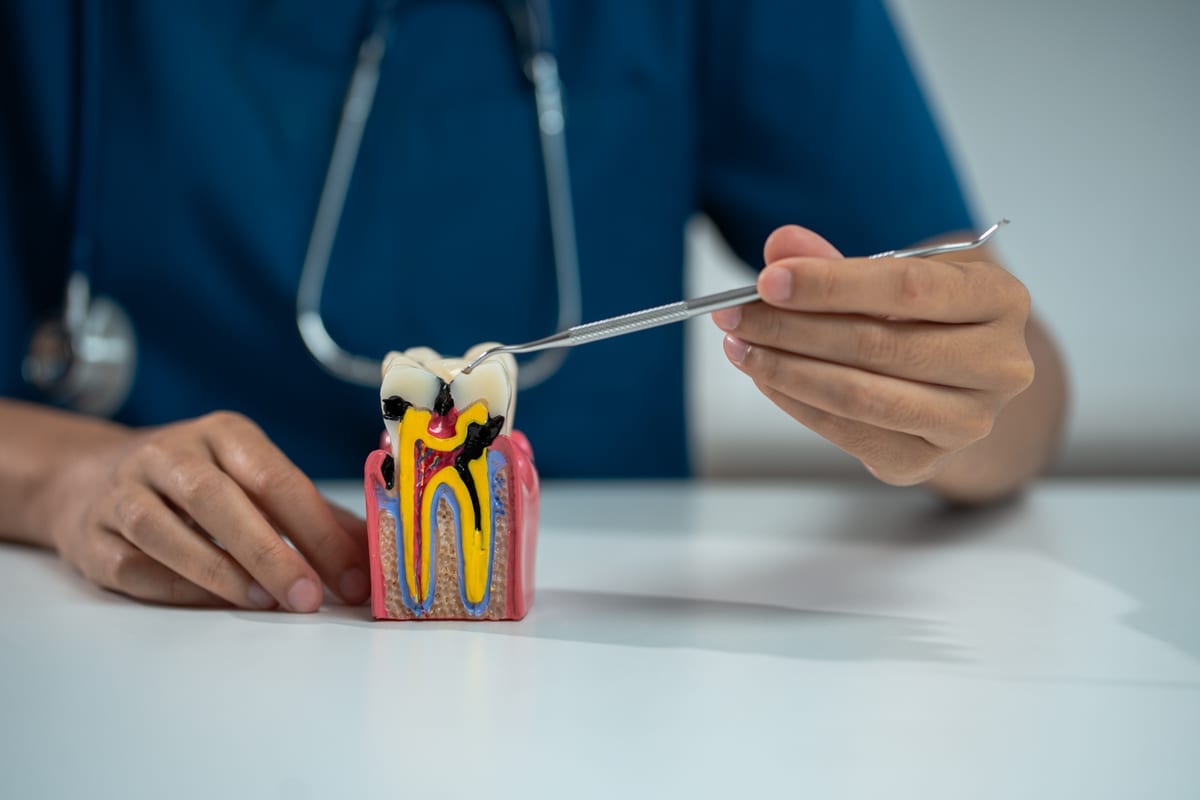
Next, look in the mirror if you can. Try to identify what type of break you have. A minor chip looks very different from a tooth snapped at the gumline. The severity will determine how urgently you need to be seen.
Here are the most common types of tooth breaks:
- Minor chip: Small piece of enamel missing, often painless
- Cracked tooth: A crack running through the tooth, sometimes invisible
- Split tooth: The tooth is split into two sections
- Broken cusp: A piece around a filling breaks off
- Root fracture: The break starts below the gumline
If your tooth broke near the root, or if you’re in severe pain, treat it as a dental emergency. Call Hallmark Dental Lewisburg as soon as possible to explain your situation.
What to Do Right Now in Lewisburg Before Your Appointment
While you wait for your appointment, there are several things you can do at home to manage discomfort and protect your tooth. These steps won’t fix the problem, but they can prevent things from getting worse. Follow this short-term care plan carefully.
Here’s what to do right away:
- Save any broken pieces — Place them in a small container with milk or saliva. Your dentist may be able to use them.
- Control bleeding — Apply gentle pressure with a clean gauze pad for 10 minutes if the area is bleeding.
- Manage pain — Over-the-counter pain relievers like ibuprofen can reduce swelling and discomfort. Follow the package instructions.
- Protect sharp edges — Dental wax from a pharmacy can cover jagged edges that might cut your tongue or cheek.
- Avoid certain foods — Skip hard, crunchy, hot, or very cold foods until you’re treated.
One thing many Lewisburg patients don’t realize is that even a painless chip should be evaluated quickly. Bacteria can enter tiny cracks and cause infection deeper in the tooth structure. Don’t wait too long, even if it doesn’t hurt.
What Your Dentist Will Do to Fix a Broken Tooth
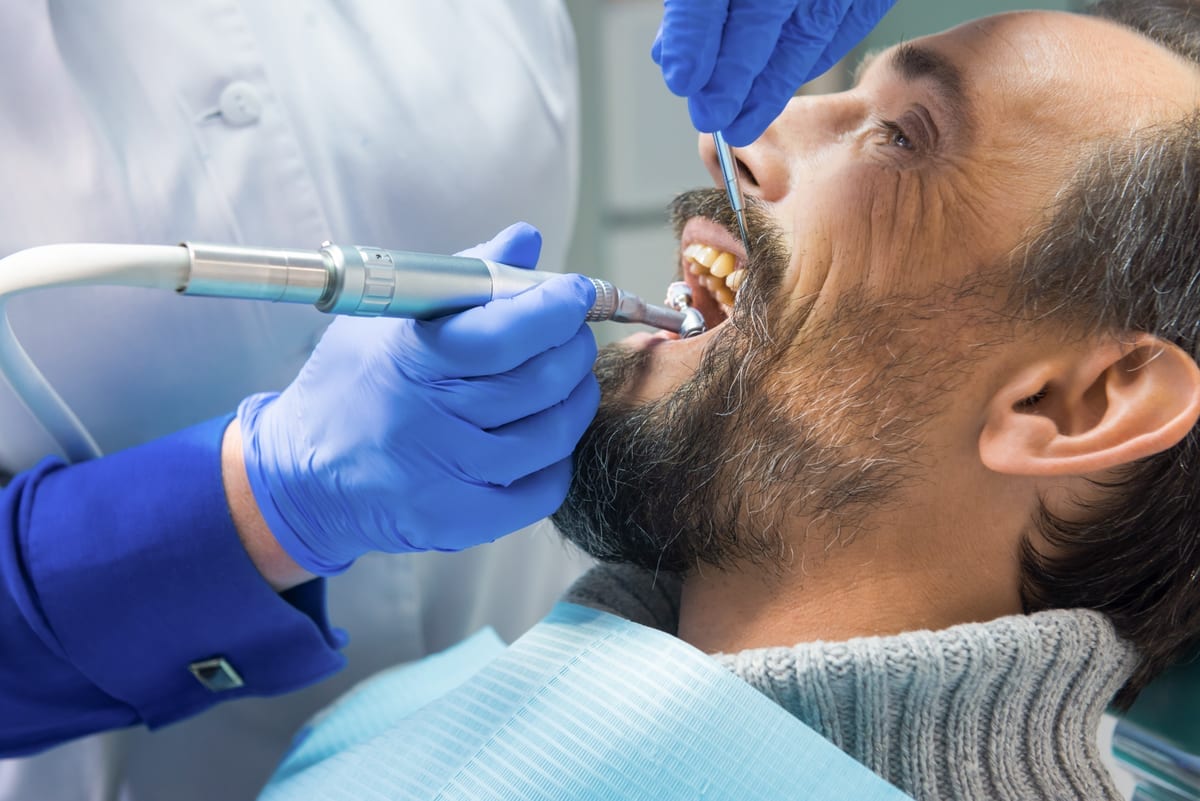
When you visit Hallmark Dental Lewisburg, Dr. Donelson will thoroughly examine your broken tooth. He may take X-rays to see how deep the damage goes and whether the root or nerve is affected. From there, he’ll recommend the most appropriate treatment.
Treatment options vary depending on the severity of the break. A small chip might only need smoothing or bonding. More serious breaks often require more involved care. Here’s a quick overview of common treatments:
- Dental bonding: Tooth-colored resin applied to restore small chips or cracks
- Dental Crowns Bridges Lewisburg: A custom crown placed over a severely damaged tooth to restore strength and appearance — learn more about Dental Crowns Bridges Lewisburg
- Root canal treatment: Necessary when the inner pulp of the tooth is damaged or infected
- Tooth extraction: A last resort when the tooth cannot be saved
- Dental implants or veneers: Long-term solutions for missing or severely damaged teeth
Dr. Donelson takes a conservative approach. He always works to save your natural tooth whenever possible. He’ll walk you through your options clearly so you can make an informed decision.
When a Broken Tooth Becomes a Dental Emergency
Some broken tooth situations need same-day attention. Knowing the warning signs helps you act fast. Don’t ignore these red flags if they apply to your situation in Lewisburg.
Seek urgent dental care if you notice:
- Intense or throbbing tooth pain that won’t stop
- Visible damage to the gum tissue or significant bleeding
- A tooth broken completely at the gumline
- Swelling in your jaw, face, or neck
- Fever or signs of infection alongside tooth pain
Swelling and fever alongside tooth pain can signal a spreading infection. This is a serious situation that needs immediate care. In some cases, gum tissue around a broken tooth can also become inflamed or infected. If you notice signs of gum irritation or disease, our team can also evaluate you for Gum Disease Treatment Lewisburg at the same visit.
Never ignore severe pain or swelling. These symptoms won’t go away on their own and can worsen quickly without professional treatment.
How to Prevent Future Broken Teeth
Once your tooth is repaired, you’ll want to protect your smile going forward. Prevention is always easier than treatment. A few simple habits can dramatically reduce your risk of future breaks.
Here are practical tips from Dr. Donelson:
- Wear a custom mouthguard during sports or contact activities
- Avoid chewing on ice, hard candies, or pen caps
- Don’t use your teeth as tools to open packages
- Ask about a night guard if you grind your teeth while sleeping
- Attend regular checkups so small cracks are caught early
Keeping up with routine teeth cleanings and checkups at Hallmark Dental Lewisburg is one of the best things you can do. Dr. Donelson can spot early signs of weakness or cracking before they become bigger problems. Preventive care truly pays off in the long run.
Choose Hallmark Dental Lewisburg for Trusted, Compassionate Care
At Hallmark Dental Lewisburg, Dr. David Donelson and our friendly team understand how stressful a broken tooth can be. We treat every patient with compassion and take the time to explain every step of treatment. You won’t feel rushed or confused during your visit.
We offer a full range of general dentistry services right here in Lewisburg, TN. Whether you need a simple repair or a more complex restoration, we have the expertise and technology to help. Our goal is always to restore your smile and your comfort as quickly as possible.
Don’t wait when a broken tooth is bothering you. Early treatment almost always leads to better outcomes and less discomfort overall. Book Now to schedule your appointment with our team.
Frequently Asked Questions
Can a broken tooth heal on its own?
No, a broken tooth cannot heal itself. Unlike bones, teeth do not regenerate or repair on their own. Even a small chip needs professional evaluation to prevent bacteria from entering and causing further damage or infection. Schedule an appointment with Dr. Donelson at Hallmark Dental Lewisburg as soon as possible.
How long can I wait to see a dentist after breaking a tooth?
Ideally, you should be seen within 24 to 48 hours. If you have severe pain, heavy bleeding, swelling, or signs of infection, seek care the same day. A minor chip with no pain may allow a day or two of wait time, but don’t delay longer than necessary.
Will a broken tooth always need a crown?
Not always. Treatment depends on the location and severity of the break. Minor chips may only need smoothing or dental bonding. However, if the break is significant or weakens the tooth’s structure, a crown is often the best way to restore full function and appearance.
Is a cracked tooth the same as a broken tooth?
They are related but not identical. A cracked tooth has a fracture line that may or may not go all the way through. A broken tooth has an actual piece missing or separated. Both require professional evaluation, as cracks can worsen over time and become more serious breaks without treatment.
What should I eat and avoid after breaking a tooth?
Stick to soft foods like yogurt, mashed potatoes, eggs, and soup. Avoid anything hard, crunchy, chewy, very hot, or very cold. These can aggravate the broken area and cause additional pain or damage before you receive proper dental treatment.