
Brentwood: (615) 235-1966


Why Do My Gums Bleed When I Brush?
Brentwood and Lewisburg, TN
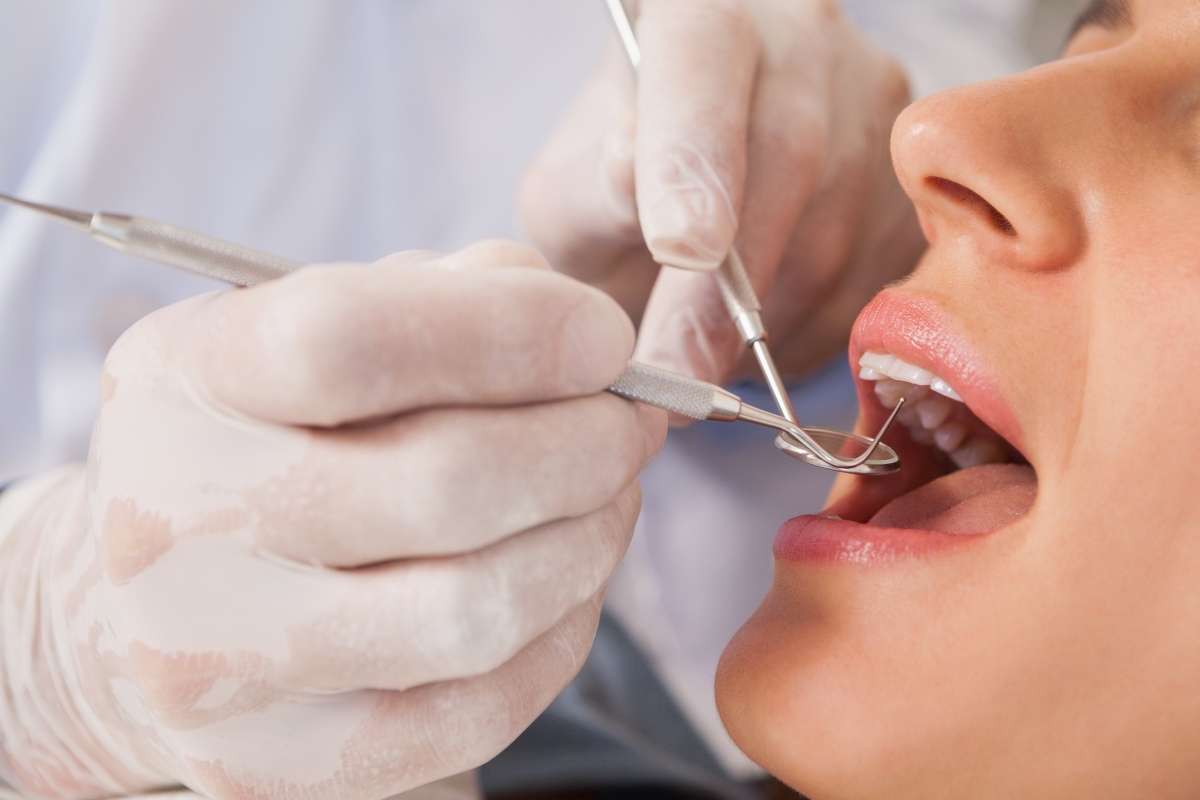
Bleeding gums when brushing might be alarming, but it’s not something you should ignore. Often, it’s a sign of an underlying issue that needs attention. If you’ve noticed blood in your sink after brushing your teeth, you may be wondering why this happens. While it could simply be due to brushing too hard, there may be other reasons requiring professional care. The most common causes of bleeding gums include gum disease, improper brushing techniques, and other health conditions. If left untreated, these issues can worsen and lead to serious oral health problems.
For residents of Lewisburg, understanding why your gums bleed and how to prevent further damage is crucial. At Hallmark Dental, we offer periodontal disease treatment in Lewisburg to address the root causes of gum health problems and restore your smile’s health. Let’s dive into the reasons behind bleeding gums and what you can do about them.
Common Causes of Bleeding Gums
Gum Disease (Gingivitis and Periodontitis)
One of the most common causes of bleeding gums is gum disease, which starts with gingivitis. Gingivitis is an early form of gum disease that causes inflammation, redness, and bleeding in the gums, especially when brushing or flossing. If left untreated, gingivitis can progress to periodontitis, a more severe form of gum disease that can lead to tooth loss.
Other symptoms, such as bad breath, swollen or receding gums, often accompany bleeding gums due to gum disease. If you notice these signs, it’s essential to schedule a visit to Hallmark Dental as soon as possible. Our periodontal disease treatment in Lewisburg can help manage and reverse the effects of gum disease before it becomes a bigger problem.
Improper Brushing or Flossing Techniques
Brushing your teeth too aggressively or using a hard-bristle toothbrush can irritate your gums, leading to bleeding. Similarly, improper flossing can cause harm to your gum tissue, especially if you snap the floss between your teeth rather than gently guiding it. Make sure you use a soft-bristle toothbrush and floss gently to avoid unnecessary gum irritation.
At Hallmark Dental, we recommend learning proper brushing and flossing techniques to avoid gum injury. We can provide tips on oral hygiene during your next visit.
Poor Diet
A diet lacking in essential vitamins, especially vitamin C, can lead to gum bleeding. This condition, known as scurvy, is rare in today’s world. However, it’s still essential to maintain a balanced diet that supports your gum health. Deficiencies in other nutrients can also weaken your immune system, making it harder for your body to fight infections such as gum disease.
Make sure you’re eating a well-rounded diet that includes plenty of fruits, vegetables, and foods rich in calcium and vitamin C to support your gums’ health.
Medications
Some medications, like blood thinners, can make your gums more prone to bleeding. If you’re on medication that affects your blood clotting abilities, you may notice bleeding gums more frequently. If this is the case, it’s essential to inform your dentist so they can adjust their treatment plan accordingly.
Pregnancy
Hormonal changes during pregnancy can cause pregnancy gingivitis, which leads to inflamed and bleeding gums. This condition typically appears in the second or third trimester and is a temporary issue. However, it’s still essential to maintain good oral hygiene and see a dentist regularly during pregnancy to prevent further complications.
Other Health Conditions
Health conditions, like diabetes, blood disorders, and certain autoimmune diseases, can affect gum health and lead to bleeding. If you have any underlying health conditions, be sure to discuss them with your dentist. A healthy mouth is often an indicator of overall health, and your dentist may be able to spot signs of these conditions early.
How to Prevent Bleeding Gums
- Brush and Floss Regularly
Maintain a consistent brushing and flossing routine. Brush your teeth twice a day with a soft-bristled toothbrush and floss daily to remove plaque and prevent gum disease. - Use the Right Toothpaste
Choose a toothpaste that’s gentle on your gums and teeth. Avoid harsh whitening toothpastes that can irritate your gums, and opt for a fluoride toothpaste to strengthen your teeth. - Visit the Dentist Regularly
Regular dental checkups are crucial for preventing gum disease and catching any issues early. At Hallmark Dental, we provide thorough cleanings and periodontal disease treatments in Lewisburg to help keep your gums healthy. - Eat a Balanced Diet
A nutrient-rich diet can go a long way in supporting your gum health. Foods rich in antioxidants, vitamin C, and calcium are especially beneficial for your gums. - Avoid Smoking
Smoking is a significant risk factor for gum disease and other oral health problems. Quitting smoking can significantly reduce your risk of developing gum disease and improve your overall oral health.
What to Do If Your Gums Bleed
If your gums bleed occasionally, it may be due to brushing too hard or minor irritation. However, if bleeding persists or is accompanied by other symptoms such as swelling, pain, or receding gums, it’s time to seek professional help. At Hallmark Dental, we provide comprehensive periodontal disease treatment in Lewisburg to address the underlying causes of gum bleeding and help restore your oral health.
Bleeding gums can be a sign of something as simple as improper brushing or as serious as gum disease. If you’re experiencing this issue, it’s essential to address it early to avoid more severe complications in the future. At Hallmark Dental, we offer periodontal disease treatment in Lewisburg to help you maintain healthy gums and teeth. Don’t let gum disease go untreated—schedule an appointment with us today to keep your smile bright and healthy!
FAQs
- What causes bleeding gums when brushing?
Bleeding gums when brushing are most commonly caused by gum disease (gingivitis or periodontitis). However, improper brushing, poor diet, medications, and other health conditions can also contribute to this issue. - How can I stop my gums from bleeding?
Maintaining a proper brushing and flossing routine, using a soft-bristled toothbrush, eating a balanced diet, and seeing your dentist regularly can help prevent bleeding gums. - Should I see a dentist if my gums bleed?
Yes, if your gums bleed frequently or are accompanied by other symptoms such as swelling or pain, it’s essential to see your dentist. Early treatment can prevent gum disease from progressing. - Can pregnancy cause bleeding gums?
Yes, hormonal changes during pregnancy can cause pregnancy gingivitis, leading to inflamed and bleeding gums. This condition typically improves after pregnancy, but regular dental visits are essential. - How can Hallmark Dental help with gum bleeding?
At Hallmark Dental, we offer periodontal disease treatment in Lewisburg to address gum disease and prevent further complications. We also provide tips for proper oral care to keep your gums healthy.