Brentwood: (615) 235-1966


Dental Crown Materials: What Patients Should Know
Brentwood and Lewisburg, TN
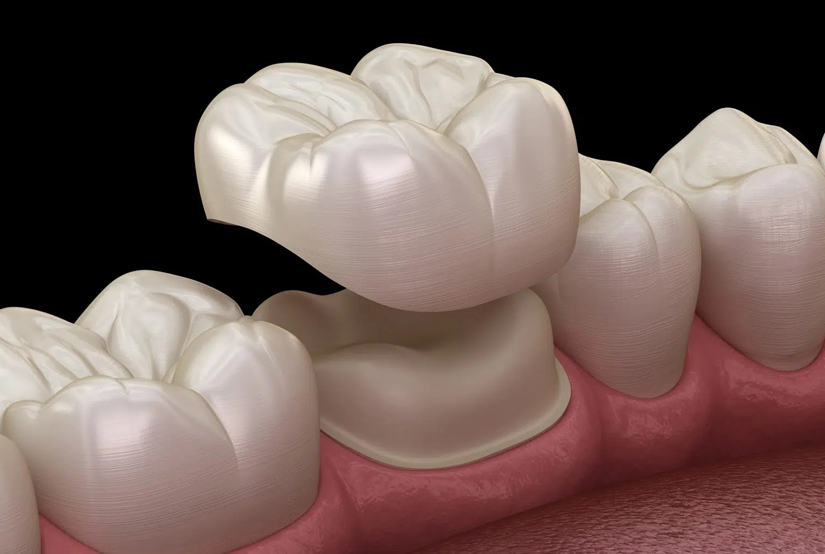
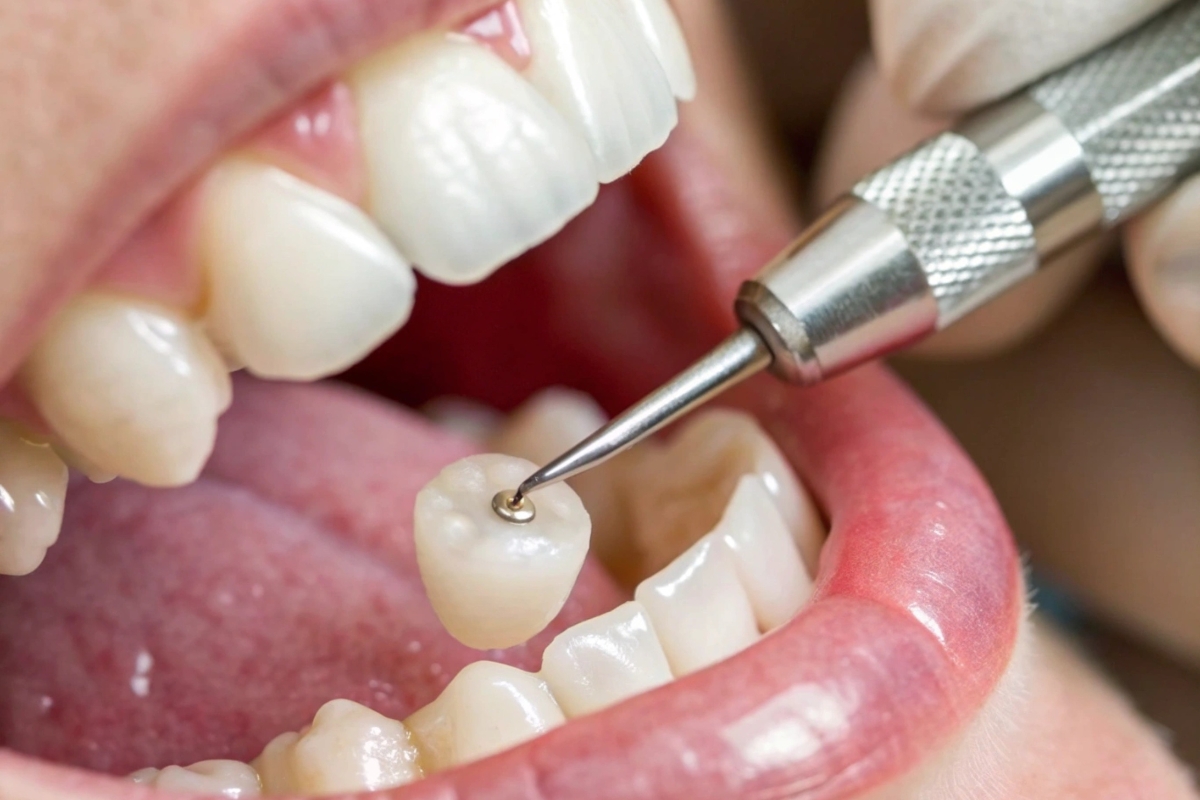
Choosing a dental crown is not as simple as picking the first option your dentist mentions. There are several materials available today, and each one brings a different set of strengths, trade-offs, and ideal use cases. The right choice for a front tooth is rarely the right choice for a back molar, and what works well for one patient may not suit another depending on their bite, habits, and aesthetic priorities.
If you have been told you need a crown and are trying to make sense of your options, this guide breaks it down in plain terms so you can walk into your appointment feeling informed rather than overwhelmed.
Why Crown Material Matters More Than Most People Realize
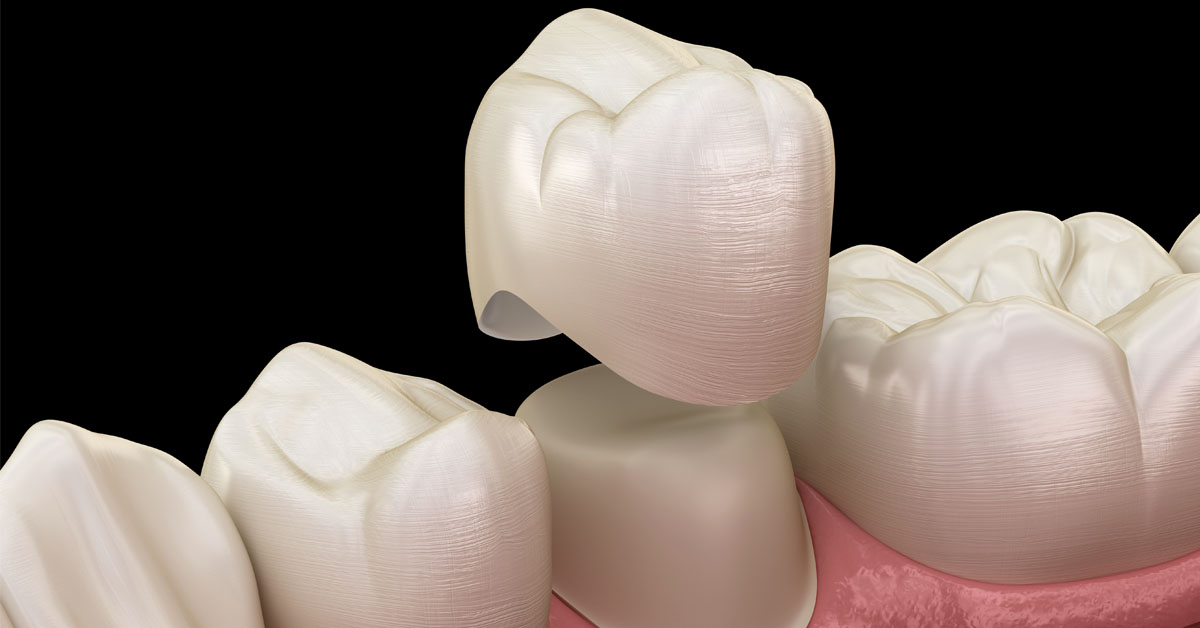
A dental crown is essentially a full cap placed over a damaged, weakened, or heavily restored tooth. It protects what remains of the natural tooth structure while restoring its shape, function, and appearance. Given that a well-placed dental crown can last anywhere from 10 to 15 years or longer with good care, the material it is made from has a direct impact on how it holds up over time.
The location of the tooth in your mouth, how much pressure it bears during chewing, whether aesthetics are a priority, and the condition of your bite all factor into which material makes the most sense for your situation.
Dental crowns in Brentwood are fabricated using digital impressions and CAD technology, which means the fit and precision of modern restorations is significantly better than it was even a decade ago. That said, the material still determines the outcome in key ways that technology alone cannot change.
Here is a breakdown of the most common crown materials and what each one is best suited for.
The Main Crown Materials Compared
Porcelain-Fused-to-Metal (PFM)
Porcelain-fused-to-metal crowns were the industry standard for many years and are still widely used today. They combine a metal base, which provides structural strength, with a porcelain outer layer designed to mimic the look of a natural tooth.
The main advantage of PFM crowns is their durability. The metal substructure handles biting forces well, making it a solid choice for back teeth. The porcelain layer can be matched closely to the shade of surrounding teeth, though not always perfectly.
The drawback is the metal margin. Over time, as the gumline naturally recedes with age, a thin, dark line can become visible at the base of the crown. For front teeth in particular, this can be a cosmetic concern. PFM crowns are also slightly harder than natural enamel, which means they can cause more wear on opposing teeth over time.
All-Ceramic or All-Porcelain Crowns
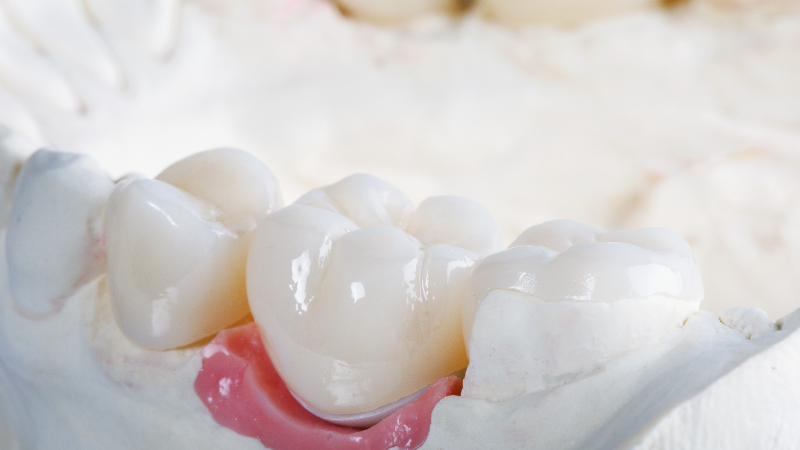
All-ceramic crowns are the most aesthetically convincing option available. They replicate the light-transmitting quality of natural enamel more closely than any other material, which is why they are the preferred choice for front teeth and other visible areas of the smile.
Without any metal underneath, there is no risk of that dark gum line appearing. They are also biocompatible, making them a good choice for patients with metal sensitivities or allergies.
The trade-off is strength. While all-ceramic crowns have improved considerably, they are generally not as resistant to fracture under heavy chewing forces as zirconia or metal-based options. For patients who grind their teeth at night, a back-tooth crown made entirely of ceramic may not be the most durable long-term option.
Zirconia Crowns
Zirconia has become one of the most popular crown materials over the past decade, and for good reason. It is strong, resistant to chipping and cracking, and can now be manufactured in tooth-colored shades that look natural in the mouth.
Monolithic zirconia, which is milled from a single block, is particularly well suited to back teeth where bite force is greatest. It is durable enough to withstand heavy occlusal loading without the fracture risk associated with porcelain. Layered zirconia, which adds a porcelain overlay for improved aesthetics, is often used for front teeth when both strength and natural appearance are needed.
One consideration with zirconia is its hardness. It is harder than natural enamel, and in some cases, particularly for patients with bite issues or heavy grinding, this can cause wear on opposing teeth. Your dentist will take this into account when recommending the right crown for your specific bite.
Gold and Metal Alloy Crowns
Gold crowns have been used in dentistry for well over a century, and their longevity record is genuinely impressive. A well-placed gold crown can last 20 years or more, and gold is actually gentler on opposing teeth than zirconia or porcelain because it wears at a rate closer to natural enamel.
Gold and metal alloy crowns are rarely chosen for visible teeth for obvious aesthetic reasons, but for second molars and other teeth that are largely out of sight, they remain a highly functional and durable option. Patients who grind heavily or have a strong bite often do very well with gold crowns on back teeth.
How the Right Crown Is Chosen for You
No single material is best for everyone. Your dentist in Brentwood will consider several things before making a recommendation, including the location of the tooth, your bite pattern, whether you grind your teeth, your aesthetic goals, and the condition of the surrounding teeth and gum tissue.
For Brentwood and Middle Tennessee patients who are active, health-conscious, and pay attention to how they look, aesthetics tend to be a significant factor in the conversation. That often points toward zirconia or all-ceramic options for visible teeth. For back teeth where function matters most, zirconia or gold are typically the stronger long-term choices.
The good news is that with digital impression technology and in-house milling, the fit and finish of modern crowns is more precise than ever before. When the crown fits well from the start, it tends to last significantly longer and feel more natural in daily use.
When to Book a Consultation
A cracked tooth, a large failing filling, a tooth that has had a root canal, or a heavily worn tooth are all common reasons a crown becomes necessary. The earlier a damaged tooth is restored, the more tooth structure can typically be preserved, making the final restoration more predictable and longer-lasting.
If you have been told you need a crown or suspect a tooth needs attention, book a consultation to have it properly evaluated. Patients in Brentwood can call the Hallmark Dental office directly or book online at their convenience. A brief exam and set of digital X-rays are usually all it takes to determine whether a crown is needed and which material is the right fit.
People Also Ask About Dental Crown Materials
How long does it take to get a dental crown?
With traditional methods, crowns typically require two appointments spaced a week or two apart. The first appointment involves tooth preparation and impressions, and a temporary crown is placed while the permanent one is fabricated. Some practices offer same-day crowns using in-office milling technology, which eliminates the temporary crown phase entirely.
Do dental crowns require special care?
Crowns do not require any special tools, but they do benefit from consistent oral hygiene. Brushing twice daily, flossing carefully around the crown margin where it meets the gumline, and attending regular professional cleanings all help extend the life of a crown. Avoid using your teeth as tools, and if you grind at night, ask your dentist about a custom nightguard to protect your restoration.
Can a crown fall off, and what should I do if it does?
Yes, crowns can occasionally come loose, usually due to the cement weakening over time or decay developing underneath. If your crown comes off, keep it safe and call your dental office as soon as possible. Avoid leaving the prepared tooth exposed for long, as it will be sensitive and vulnerable to further damage. In some cases, the crown can be re-cemented; in others, a new one may be needed.
Is getting a crown painful?
The procedure is carried out under local anesthesia, so the preparation itself should not be painful. Some patients experience mild sensitivity in the days following the appointment, particularly to temperature, which typically resolves as the tooth settles. If sensitivity persists or worsens, it is worth following up with your dentist.
Can a crowned tooth still get a cavity?
The crown itself cannot decay, but the tooth structure beneath it can. Decay most commonly develops at the margin where the crown meets the natural tooth at the gumline. This is why regular checkups and good daily hygiene around the crown are important even after the restoration is in place.