Brentwood: (615) 235-1966


What Is Tooth Decay and How Can You Prevent Cavities?
Brentwood and Lewisburg, TN
You brush your teeth every day, so why does your dentist still find a cavity? It happens more often than you’d think, and you’re not alone. Tooth decay is one of the most common health issues in the U.S., right up there with the common cold. Fortunately, understanding tooth decay means it can be almost completely avoided!
This blog discusses how tooth decay occurs, why some people are at higher risk of developing cavities, and what to do about them once they’ve occurred. We’ll also share the modern cavity solution that has gained popularity in Lewisburg, TN.
How Tooth Decay Starts
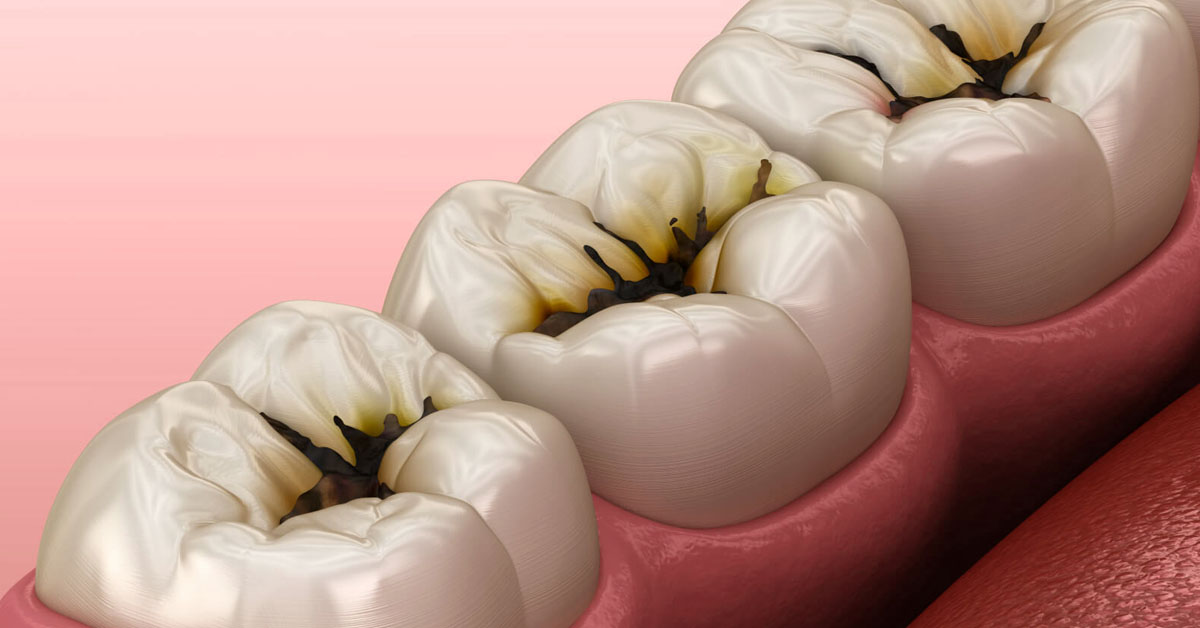
Your mouth naturally contains bacteria that grow and multiply. When you eat something sweet or starchy, the bacteria feed on the food particles left on your teeth and make acid in the process. This acid erodes the enamel, weakening it over time.
Over time, this could lead to:
- Early enamel erosion — no pain yet, but damage is beginning
- A cavity forming — a small hole develops in the tooth
- Deeper decay — if untreated, it reaches the inner layer (dentin) and eventually the nerve
This is exactly why dentists offering composite fillings in Lewisburg, TN often catch decay at routine checkups before patients even feel a thing. The reality is, many people don’t experience any pain until their tooth has progressed towards a cavity that must be treated to avoid further complications from untreated tooth decay.
Who’s Most at Risk?
Anyone can get a cavity, but certain habits and conditions make it more likely:
- Frequent snacking on sugary or acidic foods
- Not brushing before bed
- Dry mouth (which reduces saliva that naturally protects teeth)
- Skipping regular dental checkups
- Drinking well water without added fluoride
For families in Lewisburg, TN, where busy schedules are the norm, it’s easy to let dental visits slip. But catching decay early is always easier and less costly than treating it later.
What Happens When a Cavity Forms?
Once decay has penetrated through the enamel, it must be repaired and the tooth restored. This is where fillings help.
For many years, the most common type of filling was a metal filling (amalgam), which is gray in colour and easily visible. Today, many people opt for composite fillings in Lewisburg, TN, which closely match the colour of their natural teeth and require less of the healthy tooth to be removed than amalgam fillings.
Composite fillings are:
- Tooth-colored — no dark spots when you open your mouth
- Bonded directly to the tooth — this adds strength
- Mercury-free — a common concern patients bring up
- Completed in one visit — the resin hardens quickly under a special light
Composite fillings are typically more effective for small to medium-sized cavities, but advancements in dental materials have made them suitable for larger ones as well, depending on the location and tooth structure.
Helpful Tips To Prevent Cavities
Prevention is achievable through daily good oral habits that are not difficult to maintain, but must be done consistently.
Make a few simple lifestyle changes to keep your teeth free from cavities – some of these include:
- Brush your teeth using fluoride toothpaste twice daily for 2 minutes
- Floss your teeth at least once a day to remove plaque between your teeth that your toothbrush cannot reach
- Limit your consumption of sugary beverages (such as soft drinks, juice, and sports drinks).
- Drink water throughout the day to help rinse away food particles and bacteria
- Avoid snacking between meals and give your teeth a break.
Professional care matters too:
- Visit your dentist every six months for a cleaning and exam
- Ask about dental sealants if you have kids — they coat the grooves of back teeth where decay often starts
- Fluoride treatments during cleanings add an extra layer of protection
These steps are backed by the American Dental Association and the CDC as the most effective ways to reduce your risk of cavities.
When Should You See a Dental Specialist?
Don’t wait for pain to be your signal. Schedule an appointment if you notice:
- A tooth that’s sensitive to cold, heat, or sweets
- A visible spot or dark area on a tooth
- Food consistently gets stuck in the same spot
- Any roughness when you run your tongue over a tooth
Early treatment means a smaller filling, less time in the chair, and lower cost. Waiting almost always means the problem gets bigger.
Making the Right Choice for Your Tooth
Not all teeth need the same level of care when treating cavities; it depends on how extensive the decay is and where it is located. Generally speaking, tooth-colored restorations are used to fill cavities daily because they look great, are long-lasting, and withstand regular use without showing much wear and tear.
In some cases, when the decay extends below the tooth’s surface and into the nerve, a crown or other restoration may be necessary. For this reason, regular checkups are important, as they help catch cavities early before they become extensive and costly.
Conclusion: Your Teeth Are Worth the Attention
While tooth decay is not uncommon, it shouldn’t happen to anyone. With good home care (proper brushing, flossing, and a healthy diet) and regular dental visits, most people can avoid cavities entirely. However, if you do need one filled, the options available today (composite materials) are much faster and more comfortable, and far less noticeable than older methods.
At Hallmark Dental, we believe in treating our patients the way they deserve. Whether you need a routine check-up or an existing cavity needs to be repaired, rest assured that we will provide you with all the information necessary to make an informed decision about what to do next, based on your individual situation.
Ready to Take Care of Your Teeth?
Don’t delay! If it has been a while since your last dental visit or if something unusual is happening to your teeth, call us now so we can help you maintain a positive outlook and address any potential issues that could affect your teeth’s health for years to come!
Common Questions People Ask
1. How do I know if I have a cavity?
Common signs include tooth sensitivity, a visible dark spot, or pain when biting. Many cavities have no symptoms early on, which is why regular checkups are essential.
2. Are composite fillings as strong as metal ones?
Yes, for small to medium cavities, composite fillings are durable and perform well. Very large cavities may still require a crown for added strength.
3. How long does it take to get a filling?
Most fillings are completed in a single appointment, typically within 30–60 minutes, depending on the size and location of the cavity.
4. Do fillings hurt?
The area is numbed before treatment, so the procedure itself is generally painless. Some mild sensitivity afterward is normal and usually fades within a few days.