Brentwood: (615) 235-1966


Closing Gaps: Using Dental Veneers to Correct Diastema in Lewisburg
Brentwood and Lewisburg, TN
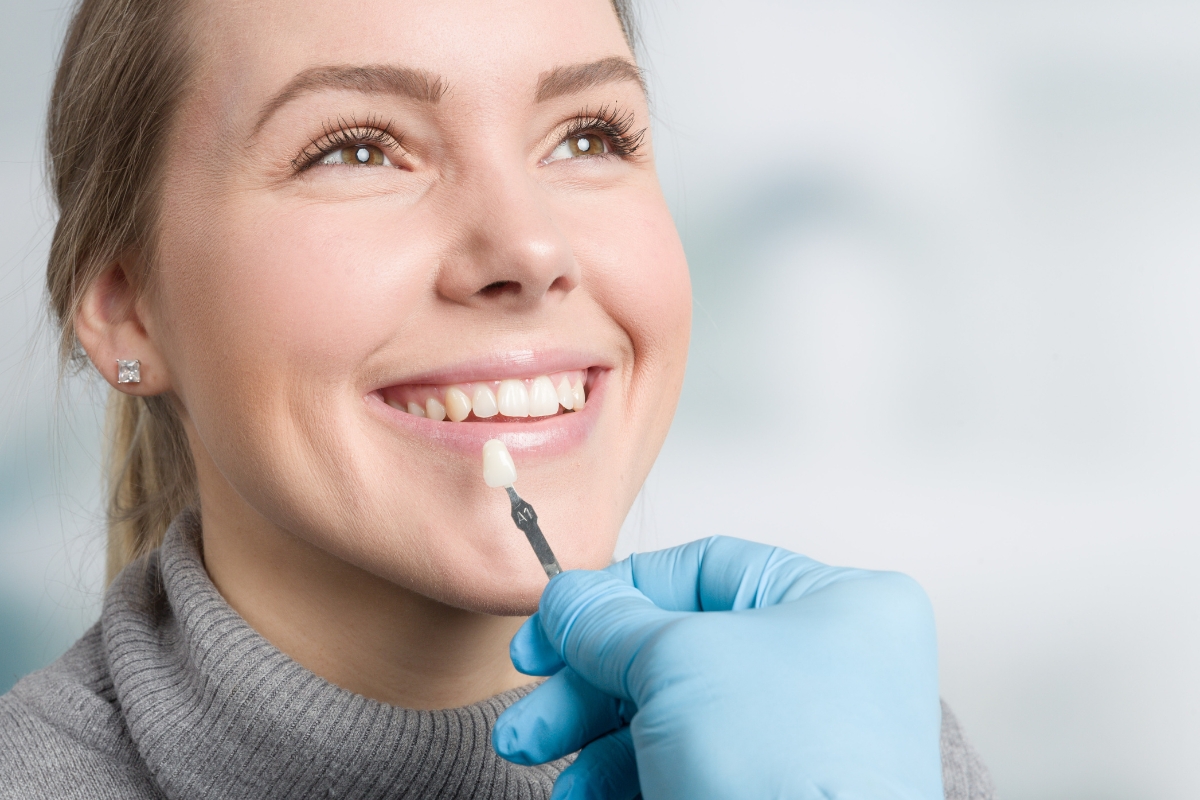
A beautiful smile is often associated with confidence, but for some, the gaps between teeth give rise to insecurity. One of the most common dental problems that affects your smile is diastema, the space between the front teeth. Although some people are born with this gap, others develop it due to shifting teeth or other factors such as genetics or habits. Whatever the case, if you think these gaps are affecting your smile, then dental veneers are the solution you need.
In this blog, we will discuss how dental veneers, especially porcelain veneers, can be used to fix diastema and create a seamless, radiant smile. We also look at how the procedure works, its benefits, and if veneers are permanent. If you have been considering dental veneers, keep reading to learn more about this life-changing treatment.
What are dental veneers?
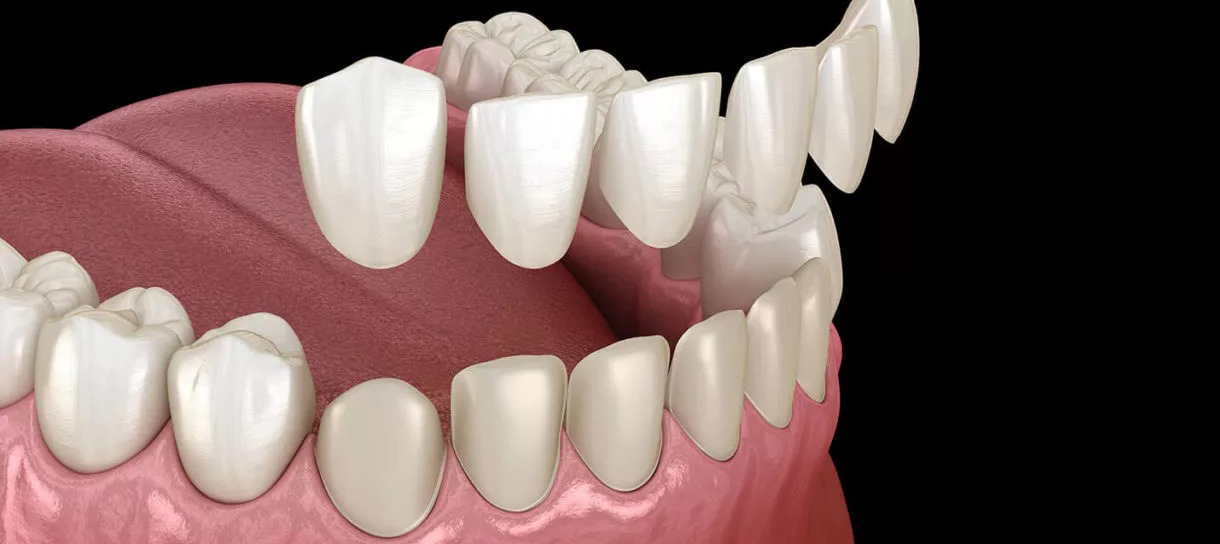
Veneers are thin shells of porcelain or composite resin bonded to the front of your teeth to enhance their appearance. These veneers are tailor-made in shape, color, and size to perfectly fit your teeth so that they will look no different from the rest of your teeth in your smile. Porcelain veneers are usually preferred for their durability and their resemblance to the natural shine and translucency of teeth.
Veneers are a practical and effective treatment option for diastema. The dental veneers in Lewisburg, TN, can cover the front teeth and mask the gap between them, creating a much stronger, more aesthetically appealing look. This process is usually performed with the help of a cosmetic dentist, who works with you to design the perfect smile.
How Dental Veneers Correct Diastema
Diastema, or gaps between teeth, can be very uncomfortable, but it’s not all about aesthetics. Sometimes the gap between your teeth can interfere with your occlusal function or trap food particles. This may further irritate the gums or even cause dental decay. Fortunately, dental veneers provide a way to close these gaps effectively.
The process begins with a consultation with a cosmetic dentist. The dentist will examine the gap in your mouth during this visit, considering its shape and size, along with the shape and size of your teeth and mouth. After preparing the teeth, a dentist will take impressions to create custom veneers that meet your specific needs. Then, the veneers are permanently bonded to your teeth, closing the gap and giving a perfect look.
Benefits of Dental Veneers for Diastema
There are several benefits of dental veneers, making them an excellent option for closing gaps between your teeth. Some of the key advantages of opting for dental veneers in diastema include:
- Natural Appearance: Porcelain veneers closely resemble natural teeth in color, texture, and translucency.
- Quick Transformation: Veneers can make a dramatic difference in your smile in just 2 or 3 visits.
- Durable Solution: Porcelain veneers can last for many years with proper care. This makes them a long-term solution for diastema.
- Minimal Tooth Alteration: The procedure involves the least possible changes to your natural teeth. Most of the tooth structure is preserved.
- Customized Design: The cosmetic dentist will design your veneers to fit your smile perfectly, providing both aesthetic and functional benefits.
What is the Procedure of Getting Porcelain Veneers?
Porcelain veneers usually involve two or three visits to the dentist. On the first visit, your dentist will prepare your teeth by removing a small amount of enamel from the front surface of each tooth that is receiving a veneer. This allows proper arrangement and fitting with your surrounding natural teeth. Your dentist then takes impressions, which are sent to a dental lab for custom fabrication of your veneers.
Once the veneers are prepared, you will return for a second appointment for your cosmetic dentist to check the fit and make any necessary adjustments before permanently bonding them to your teeth. In some cases, a third visit might be required for final adjustments. This will leave you with a beautiful, gap-free smile that enhances your oral health and dramatically improves your overall appearance.
Are Veneers Permanent?
Among the common questions patients ask, one is whether dental veneers are permanent. The answer is no; they are not permanent, but they are long-lasting. If well cared for, porcelain veneers may last 10 to 15 years, though they may need to be replaced or repaired over time due to wear and tear.
Remember, dental veneers are resistant but not everlasting. They will last longer if you avoid habits such as chewing hard objects or grinding your teeth. Regular check-ups with your cosmetic dentist will also ensure that your veneers remain in good condition for as long as possible.
Take the First Step to a Flawless Smile
If you are ready to correct your diastema and perfect your smile, then dental veneers may be just what you need. A professional cosmetic dentist can help you achieve a stunning, gap-free smile that heightens your confidence and makes a great impression. Whether it is gaps, chips, or some other imperfections, porcelain veneers can turn your smile into something you will be proud to show.
At Hallmark Dental Lewisburg, we are committed to providing personalized care along with top-notch cosmetic dentistry services to help you achieve the smile you have always wanted. Contact us today to schedule your consultation and see how dental veneers in Lewisburg, TN, can work for you. Let us help you close that gap in your teeth and start you on your journey to a brighter, more beautiful smile.
FAQs
- How long do porcelain veneers last?
Porcelain veneers are known for their durability and can last between 10 to 15 years with proper care. To ensure their longevity, it is essential to avoid habits such as biting hard objects and grinding your teeth. Regular dental check-ups will also help to maintain their condition. - Is the process for getting dental veneers painful?
The process of getting dental veneers is minimally invasive, and most patients report little to no discomfort. The dentist will numb the area before any work is done, ensuring a pain-free experience. After the procedure, some sensitivity to hot or cold may occur, but this typically fades after a few days. - Can veneers fix a misaligned bite?
While dental veneers are primarily a cosmetic solution, they can help correct minor alignment issues. If you have slight misalignment along with gaps, veneers can improve both the appearance and function of your teeth. However, for severe bite problems, other treatments such as braces or Invisalign may be more appropriate. - How do I take care of my veneers?
To keep your veneers in top shape, practice good oral hygiene by brushing and flossing daily. Avoid biting down on hard items, such as ice or pens, as this could damage the veneers. Regular dental visits are essential to monitor their condition and ensure they remain intact. - Can dental veneers be repaired?
Yes, dental veneers can often be repaired if they chip or become damaged. In many cases, the cosmetic dentist can bond a new layer of material to the existing veneer, restoring its appearance. If the damage is more extensive, replacing the veneer might be necessary. - How do I know if I’m a candidate for dental veneers?
A consultation with a cosmetic dentist will help determine if you are a good candidate for veneers. If you have healthy teeth and gums but want to address cosmetic issues such as gaps, stains, or minor misalignment, veneers may be an ideal solution. Your dentist will assess your oral health and discuss your goals to decide the best approach.