
Teeth Whitening for Seniors: How to Brighten Age-Related Tooth Discoloration
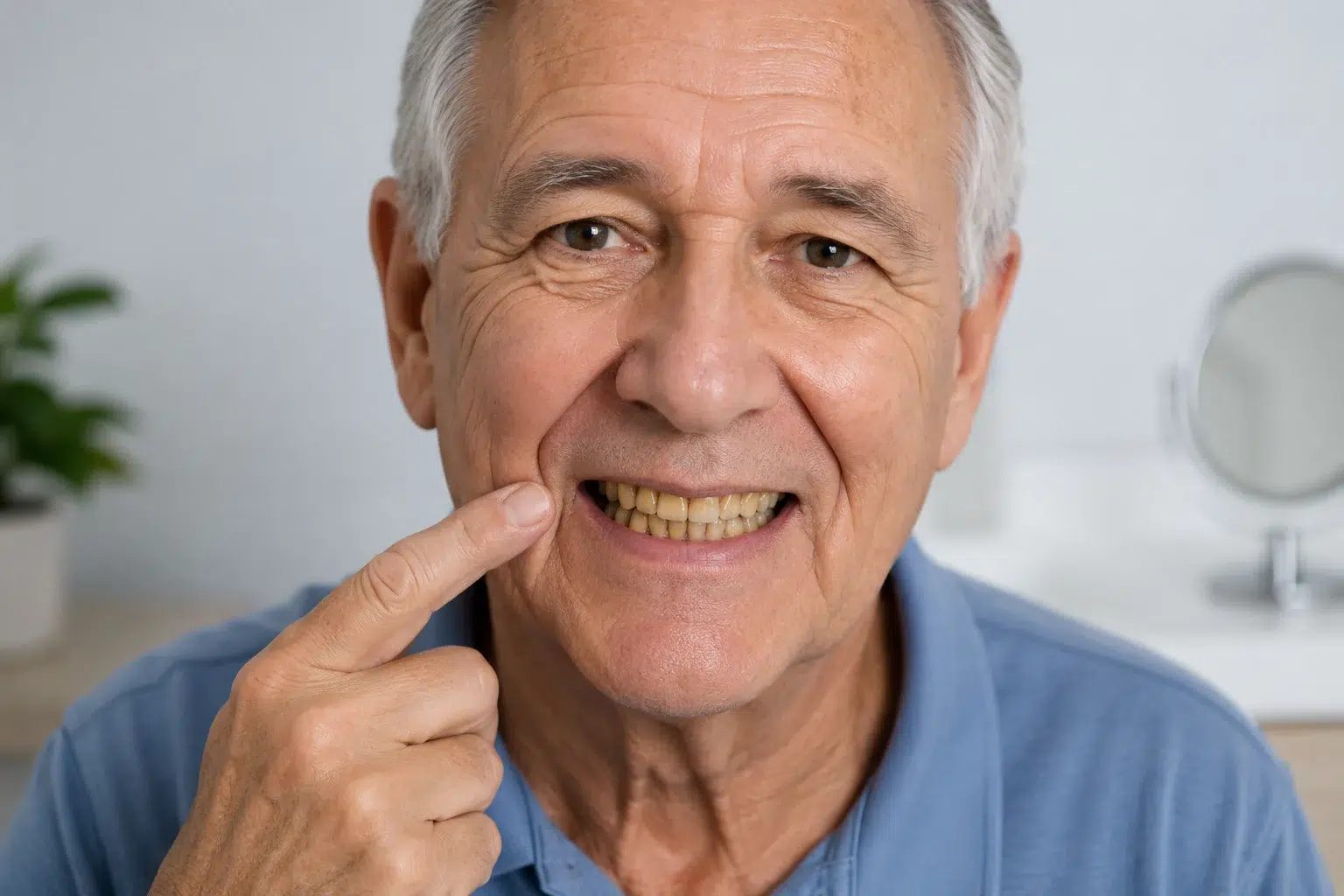
A bright smile never goes out of style. As people grow older, however, many begin noticing changes in the color of their teeth. Teeth that once looked naturally white may gradually appear yellow, dull, or stained over time. This type of discoloration is extremely common with aging, but that does not mean seniors have to accept it permanently.
Modern cosmetic dentistry offers several safe and effective ways to improve age-related tooth discoloration and restore confidence in your smile. Whether the stains developed from years of coffee, tea, tobacco use, medications, or simple enamel wear, there are treatment options available for older adults who want a fresher, healthier appearance.
At Hallmark Dental in Brentwood, TN, many senior patients ask whether teeth whitening is still effective later in life. The answer is yes—although the approach sometimes needs to be customized based on the condition of the teeth, gums, and existing dental work.
Understanding why teeth darken with age and learning which whitening methods work best can help seniors make informed decisions about their smile.
Why Teeth Become Discolored With Age
Tooth discoloration is a natural part of aging for many adults. Over the years, both internal and external changes affect the appearance of the teeth.
One major reason teeth become darker is enamel thinning. Enamel is the protective white outer layer of the tooth. As people age, years of chewing, brushing, acidic foods, and daily wear gradually thin the enamel surface.
When enamel becomes thinner, the yellowish layer underneath called dentin becomes more visible. This often causes teeth to appear darker even if they are healthy.
Other common causes of discoloration include:
- Coffee and tea stains
- Red wine consumption
- Tobacco use
- Certain medications
- Poor oral hygiene
- Previous dental trauma
- Aging dental restorations
Most seniors experience a combination of several contributing factors rather than one single cause.
Is Teeth Whitening Safe for Seniors?
Many older adults worry that whitening treatments may damage aging teeth or increase sensitivity. In most cases, professional teeth whitening is considered safe for seniors when performed under dental supervision.
Before beginning any whitening treatment, the dentist evaluates:
- Enamel condition
- Gum health
- Existing fillings or crowns
- Tooth sensitivity
- Signs of decay or gum disease
This evaluation helps determine the safest and most effective whitening approach for each patient.
For seniors with healthy teeth and gums, whitening treatments can noticeably improve smile brightness while maintaining oral health.
Understanding the Difference Between Surface Stains and Deep Discoloration
Not all tooth discoloration responds the same way to whitening products. Some stains sit on the outer enamel surface, while others develop deeper inside the tooth structure.
Surface Stains
Surface stains are commonly caused by:
- Coffee
- Tea
- Smoking
- Dark-colored foods
These stains usually respond well to professional whitening treatments and dental cleanings.
Intrinsic Stains
Deeper discoloration inside the tooth may result from:
- Aging
- Medications
- Trauma
- Long-term enamel wear
Intrinsic stains can be more difficult to remove and may require stronger professional treatments or cosmetic alternatives like veneers or bonding.
Understanding the type of discoloration helps determine the best treatment option.
Teeth Whitening Methods for Seniors
Professional teeth whitening remains one of the most popular cosmetic dental treatments for older adults because it offers faster and more noticeable results compared to over-the-counter products.
At Hallmark Dental in Brentwood, TN, professional whitening treatments are customized to reduce sensitivity while targeting years of accumulated staining.
In-Office Whitening Treatments
In-office whitening is one of the quickest ways to brighten age-related discoloration. During the procedure, a professional-strength whitening gel is carefully applied to the teeth while the gums are protected.
The treatment may include specialized lights or activation systems designed to enhance whitening effectiveness. This option is especially appealing for seniors preparing for weddings, retirement celebrations, family photos, or special events.
Take-Home Whitening Trays
Some seniors prefer a more gradual whitening process completed at home. Custom take-home trays created by the dentist offer a safer and more personalized alternative to store-bought whitening kits.
These trays are designed to fit the teeth precisely, helping distribute whitening gel evenly while minimizing gum irritation. Many people appreciate the convenience of whitening at home while still receiving professional guidance.
Whitening Toothpaste: Does It Really Work?
Whitening toothpaste may help remove mild surface stains, but it typically cannot dramatically change deep age-related discoloration.
Most whitening toothpastes contain mild abrasives that polish away external stains rather than truly whitening the inner tooth structure.
For seniors with moderate or severe discoloration, toothpaste alone usually provides limited improvement.
However, whitening toothpaste can help maintain professional whitening results and reduce new surface stains over time.
Lifestyle Tips to Maintain a Whiter Smile
After whitening treatment, maintaining healthy habits can help results last longer.
Brush and Floss Consistently
Good oral hygiene helps prevent new stains and plaque buildup.
Limit Tobacco Use
Smoking and chewing tobacco are major contributors to yellowing teeth.
Drink Through a Straw
Using a straw with iced coffee or dark beverages may reduce direct stain contact with teeth.
Schedule Regular Dental Visits
Routine cleanings and exams help maintain both oral health and cosmetic results.
Cosmetic Alternatives for Severe Discoloration
Some cases of age-related staining may not respond fully to whitening treatments alone. Fortunately, cosmetic dentistry offers additional solutions.
Dental Veneers
Porcelain veneers cover the front surfaces of teeth and create a brighter, more uniform appearance.
Dental Bonding
Tooth-colored resin can improve the appearance of stained or uneven teeth.
Crowns
Severely damaged or discolored teeth may benefit from custom crowns for both cosmetic and functional improvement.
These options are especially helpful when discoloration involves deep internal staining or worn enamel.
End Note
Age-related tooth discoloration is extremely common, but it does not have to permanently dull your smile. Modern whitening treatments and cosmetic dental options allow seniors to brighten their teeth safely while protecting long-term oral health.
Whether discoloration is caused by years of coffee, enamel thinning, medications, or natural aging, professional treatment can often make a noticeable difference. At Hallmark Dental in Brentwood TN, customized whitening solutions help older adults achieve healthier-looking smiles while minimizing sensitivity and discomfort.
A brighter smile can improve more than appearance alone. It can restore confidence, encourage social interaction, and help patients feel more comfortable sharing their smile at any age.
FAQs For Teeth Whitening For Seniors
Is teeth whitening safe for seniors?
Yes, professional teeth whitening is generally safe for seniors when performed under a dentist’s supervision. A dental exam helps determine the best treatment based on enamel health, gum condition, and existing dental work.
Why do teeth become yellow with age?
As people age, the outer enamel layer naturally wears down, making the yellow dentin underneath more visible. Years of coffee, tea, tobacco, and certain medications can also contribute to discoloration.
Can older teeth still be whitened successfully?
Yes, many seniors achieve noticeable whitening results. However, the effectiveness depends on the type and severity of the stains, as well as the overall condition of the teeth.
Will teeth whitening cause sensitivity in older adults?
Some seniors may experience temporary sensitivity, especially if enamel has thinned with age. Dentists can recommend gentler whitening methods and sensitivity-reducing products.