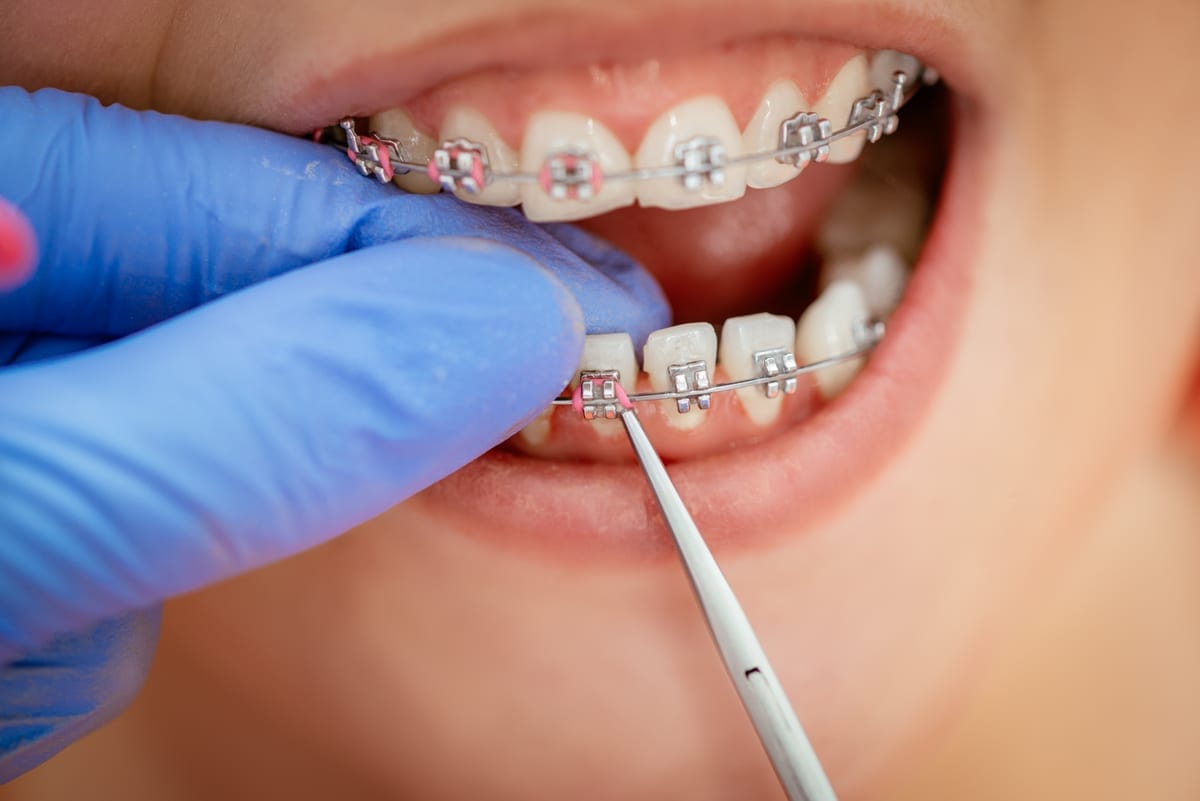

Teeth Cleaning in Lewisburg, TN
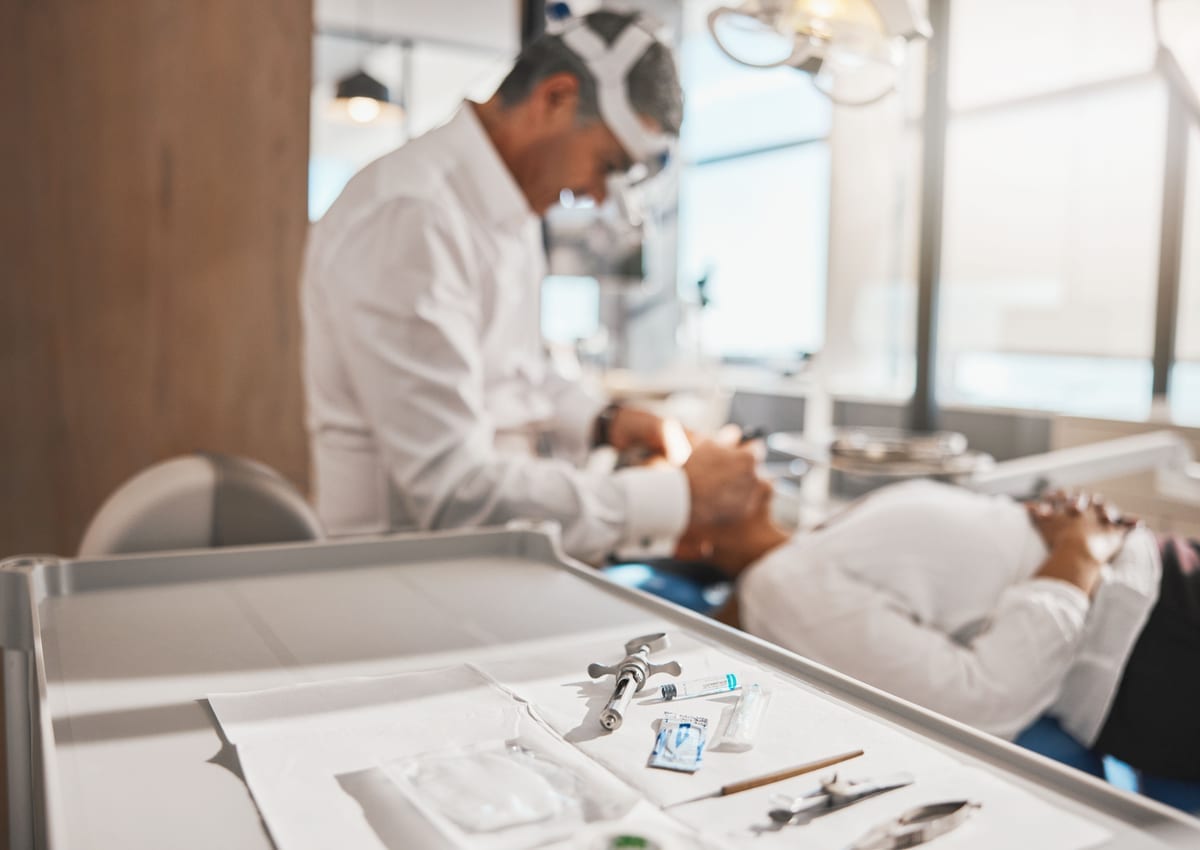
Have you ever sat in the dental chair and wondered exactly what your hygienist is doing? You are not alone. Many patients in Lewisburg, TN feel more at ease when they understand each step. This guide takes you inside your professional cleaning — what our hygienist actually does in Lewisburg and why every step matters for your long-term health.
At Hallmark Dental Lewisburg, Dr. David Donelson and our hygiene team believe informed patients are healthier patients. Knowing what to expect removes anxiety and helps you appreciate the value of each visit.
Step One: A Full Mouth Assessment Before Cleaning Begins
Your hygienist does not jump straight into cleaning. The appointment starts with a thorough assessment of your entire mouth. This review sets the foundation for everything that follows.
Your hygienist will take or review recent X-rays first. X-rays reveal bone levels, hidden decay, and issues between teeth that are invisible to the naked eye. They are an essential diagnostic tool, not just a routine add-on.
Next, the hygienist checks your gum health using a small probe. This instrument measures the depth of the pockets between your teeth and gums. Healthy pockets measure between one and three millimeters. Deeper pockets can signal gum disease that needs attention.
- Review of updated dental X-rays
- Gum pocket depth measurements with a periodontal probe
- Visual inspection for signs of decay or infection
- Oral cancer screening of cheeks, tongue, and throat
- Assessment of existing restorations like Fillings or crowns
This assessment phase typically takes around ten minutes. However, it gives the hygienist a complete picture before any instruments touch your teeth.
Step Two: Scaling — Removing Tartar and Plaque in Lewisburg
After the assessment, scaling begins. This is often the part patients hear most — that gentle scraping sound. It is completely normal and very important.
Scaling removes tartar, also called calculus. Tartar is hardened plaque that your toothbrush simply cannot remove at home. It builds up over time, especially along the gumline and between teeth.
Your hygienist uses two main tools for scaling. The first is an ultrasonic scaler, which vibrates at high frequency to break apart larger deposits. A fine mist of water simultaneously flushes debris away.
The second tool is a hand scaler, a small curved instrument used for detailed work. It reaches tight spaces and removes stubborn buildup that the ultrasonic device may miss. The combination of both tools ensures a thorough clean.
If the hygienist notices a cavity forming during scaling, they will flag it for Dr. Donelson to examine. Catching decay early prevents more complex treatment later.
Step Three: Polishing, Flossing, and Fluoride Treatment
Once scaling is complete, your hygienist moves to polishing. They use a soft rubber cup and a gritty paste called prophy paste. This combination buffs away surface stains and leftover plaque film.
Polishing leaves your teeth feeling smooth and looking brighter. It also makes it harder for new plaque to stick to the tooth surface. That is why your teeth feel so clean right after a professional visit.
Professional flossing comes next. Your hygienist flosses between every tooth with precision. They are not just cleaning — they are also checking for bleeding, tight contacts, and inflamed tissue.
Many visits finish with a fluoride treatment. Fluoride is applied as a varnish or foam and sits on the teeth for a short time. It strengthens enamel and helps prevent future cavities between your visits.
- Rubber cup polishing with prophy paste
- Professional flossing to check tissue health
- Fluoride varnish application to strengthen enamel
- Personalized brushing and flossing technique tips
What Your Hygienist Is Actually Looking For During Your Visit
Cleaning is only part of what happens in that chair. Your hygienist actively monitors your oral health throughout the entire appointment. Think of it as a health screening wrapped inside a cleaning visit.
They watch for early signs of gum disease, including redness, swelling, and bleeding. Gum disease is one of the most common chronic conditions in adults. Catching it early means simpler, less invasive treatment.
Your hygienist also looks for signs of teeth grinding, called bruxism. Worn edges, flattened cusps, and cracked teeth are telltale signs. Dr. Donelson may recommend a night guard if grinding appears to be an issue.
If a tooth shows signs of deep infection or significant damage, the hygienist will alert Dr. Donelson right away. Conditions that cannot wait may require care from an Emergency Dentist to prevent the problem from worsening quickly.
They also evaluate the soft tissues of your mouth. Unusual spots, sores that do not heal, or changes in tissue color can be early indicators of oral cancer. Early detection dramatically improves outcomes.
How Often Should You Schedule a Professional Cleaning?
Most patients benefit from a professional cleaning every six months. This schedule allows the hygiene team to stay ahead of tartar buildup and catch problems early.
Some patients need more frequent visits. If you have a history of gum disease, a weakened immune system, or significant buildup, your hygienist may recommend cleaning every three to four months instead.
Children, teens, and adults all benefit from regular professional cleanings. The schedule may vary based on age, health history, and individual risk factors. Your hygienist will recommend what is right for you specifically.
Skipping cleanings allows plaque and tartar to accumulate unchecked. Over time, this increases your risk for cavities, gum disease, and even tooth loss. Consistent visits are one of the simplest investments in your overall health.
Your Cleaning Visit at Hallmark Dental Lewisburg
At Hallmark Dental Lewisburg, we take time to explain every step of your cleaning visit. Dr. David Donelson and our hygiene team are committed to making your experience comfortable and educational. You will always know what is happening and why.
We serve patients across Lewisburg, TN and the surrounding communities. Whether it is your first visit or your tenth, we treat every appointment with the same level of care and attention to detail.
Regular professional cleanings are one of the most powerful tools you have for maintaining your smile. Combined with good habits at home, they protect your teeth and gums for years to come. Book Now to schedule your appointment with our team.
Frequently Asked Questions
Does a professional cleaning hurt?
Most patients experience little to no discomfort during a routine cleaning. If your gums are sensitive or inflamed, you may feel some pressure during scaling. Your hygienist can adjust technique or apply a topical numbing gel to keep you comfortable throughout the visit.
How long does a professional cleaning appointment take?
A standard adult cleaning appointment typically takes between 45 minutes and one hour. This includes the assessment, scaling, polishing, flossing, and fluoride treatment. If it has been a while since your last cleaning, the appointment may take a bit longer.
Can a professional cleaning remove all stains from my teeth?
Professional polishing removes many surface stains caused by coffee, tea, and food. However, it does not change the natural color of your enamel. If you want a noticeably brighter smile, Dr. Donelson can discuss professional whitening options after your cleaning is complete.
What should I do at home between professional cleanings?
Brush your teeth twice daily with a fluoride toothpaste and a soft-bristled brush. Floss once every day to remove plaque between teeth where your brush cannot reach. Staying hydrated and limiting sugary snacks also helps keep your teeth healthier between visits.
Is a professional cleaning the same as a deep cleaning?
No, they are different procedures. A standard professional cleaning focuses on the surfaces of teeth above and slightly below the gumline. A deep cleaning, called scaling and root planing, treats gum disease by cleaning below the gumline and smoothing the root surfaces. Your hygienist will recommend the right type based on your gum health assessment.