
Root Canal Reality: What You’ll Actually Feel During Treatment
Fear of root canals is incredibly common. Most patients in Lewisburg, TN have heard horror stories passed down for decades. But the root canal reality — what you’ll actually feel during treatment in Lewisburg — is far less frightening than the myth. At Hallmark Dental Lewisburg, Dr. David Donelson helps patients understand every step before treatment begins. Knowledge is the best tool against dental anxiety.
Why Root Canals Have a Bad Reputation — And Why It’s Wrong
The root canal’s scary reputation comes from an era before modern dental anesthesia. Decades ago, patients felt significantly more during the procedure. Today, techniques and numbing agents have completely changed the experience.
Most people who have had a recent root canal say it felt no worse than getting a filling. The discomfort patients often associate with a root canal is actually the infection pain that existed before treatment. The procedure itself relieves that pain — it doesn’t create it.
Understanding this distinction matters. When you arrive at Hallmark Dental Lewisburg with a throbbing tooth, the root canal is the solution, not the problem.
Step-by-Step: What You’ll Actually Feel During a Root Canal in Lewisburg
Walking through each stage removes the mystery. Here is exactly what happens during a root canal at our Lewisburg practice.
Step 1: Numbing the Area
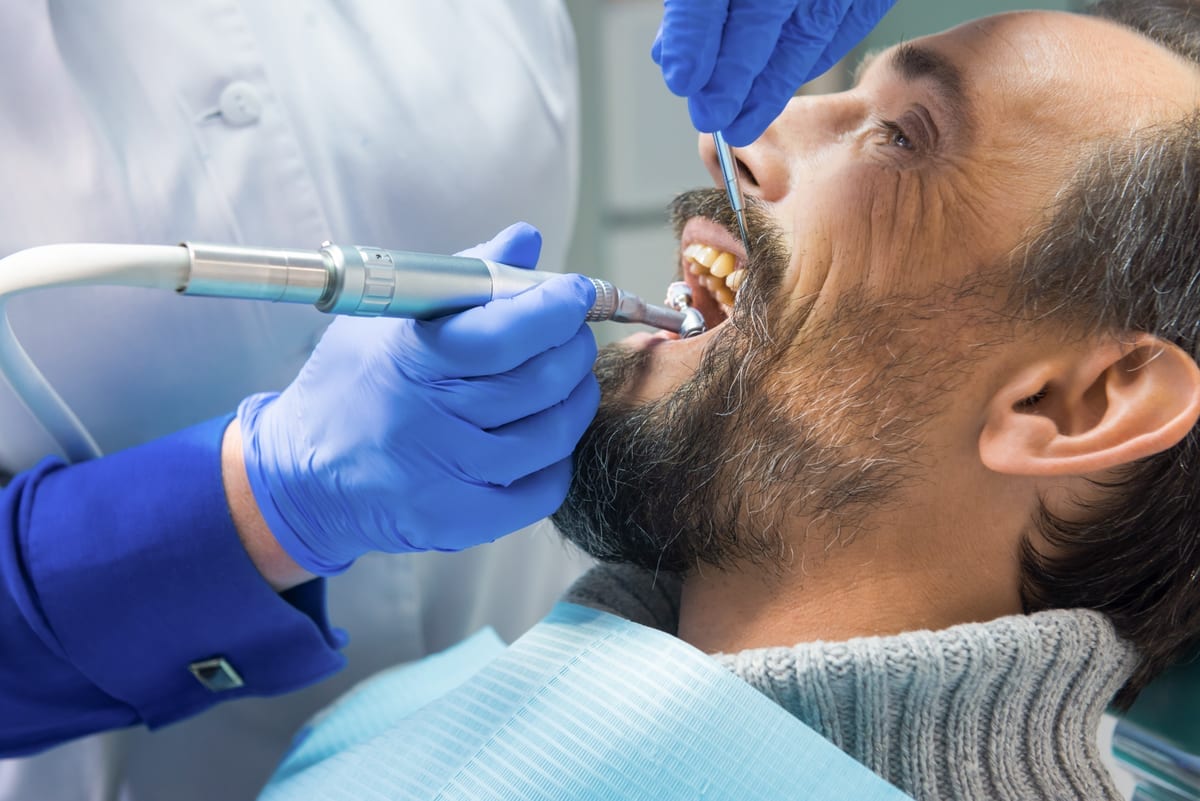
Dr. Donelson begins by applying a topical anesthetic gel to your gum. This numbs the surface before any injection. The injection itself feels like mild pressure — most patients barely notice it.
Within a few minutes, your tooth and surrounding tissue are completely numb. You should feel no pain once anesthesia takes full effect. Dr. Donelson always confirms you’re comfortable before moving forward.
Step 2: Accessing the Tooth
A small opening is made through the top of your tooth. Because you’re fully numb, you won’t feel any cutting sensation. You may hear a soft drilling sound and feel slight vibration.
That vibration is normal and harmless. Think of it like the low hum of a dental cleaning — noticeable, but not painful.
Step 3: Removing the Infected Pulp
This is the step most patients fear. In reality, it’s the gentlest part. The pulp inside your tooth has already been deadened by anesthesia.
Dr. Donelson uses small, flexible instruments to clean the canals. You’ll feel a faint sense of movement — nothing sharp. Some patients describe it as a mild tugging sensation.
Step 4: Cleaning and Shaping the Canals
Each canal is carefully shaped and rinsed with a disinfecting solution. This ensures no bacteria remain inside the tooth. You may feel slight pressure during rinsing — that’s all.
The process is methodical and precise. Dr. Donelson takes his time here because thoroughness protects your long-term outcome.
Step 5: Sealing the Tooth
Once the canals are clean, they’re filled with a biocompatible material called gutta-percha. This seals the space permanently. A temporary or permanent filling closes the access point on top.
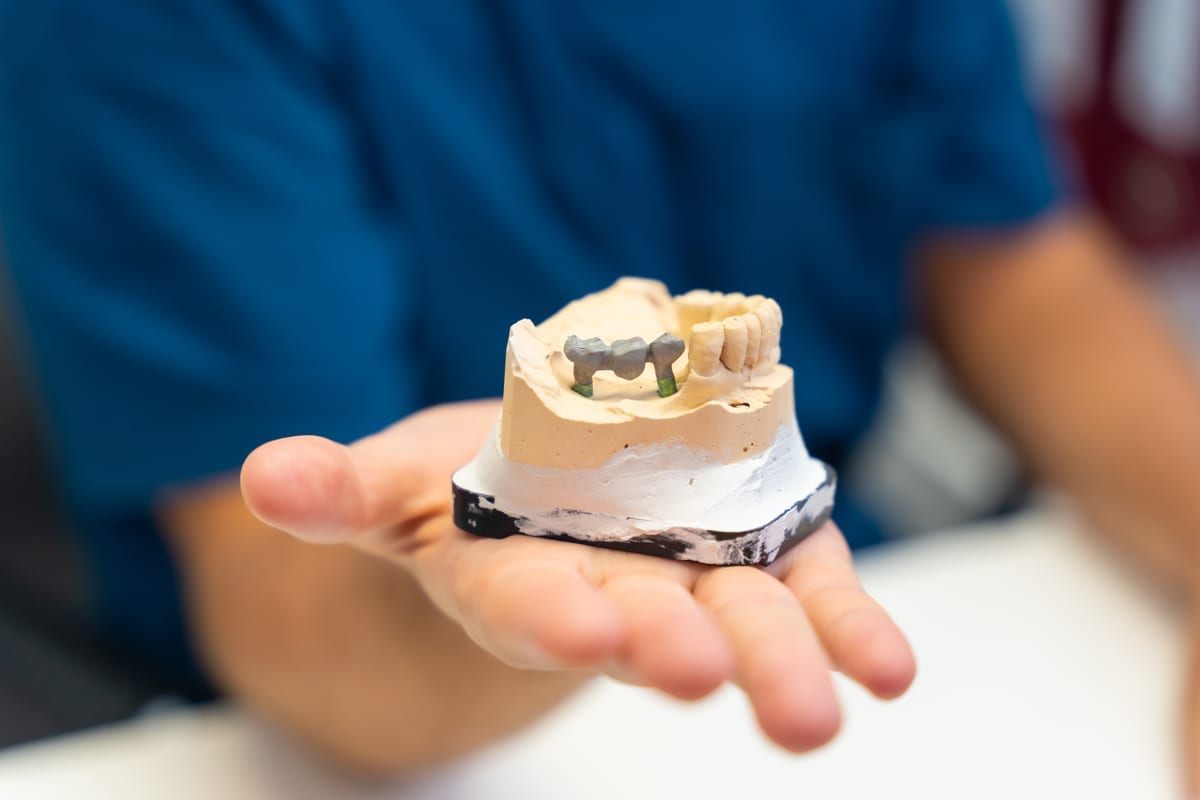
In many cases, a crown is placed afterward to protect the tooth. Learn about Dental Crowns Bridges Lewisburg and how they restore treated teeth to full strength.
What to Expect After the Procedure
Most patients feel mild soreness for one to three days after a root canal. This is normal inflammation — your body is healing. Over-the-counter pain relievers typically manage it well.
Many patients return to work or school the same day. The soreness fades quickly. Compare that to the throbbing infection pain that sent you in for treatment — post-procedure discomfort is far milder.
Here’s what recovery commonly looks like:
- Mild tenderness when biting down for 2–3 days
- Slight jaw soreness from keeping your mouth open
- Sensitivity that gradually disappears over the first week
- No stitches and no significant downtime required
- Normal eating can resume once numbness wears off
If you experience severe or worsening pain after 72 hours, contact Hallmark Dental Lewisburg right away. That’s rare, but we want to address it quickly.
Signs You May Need a Root Canal — And Why Acting Early Helps
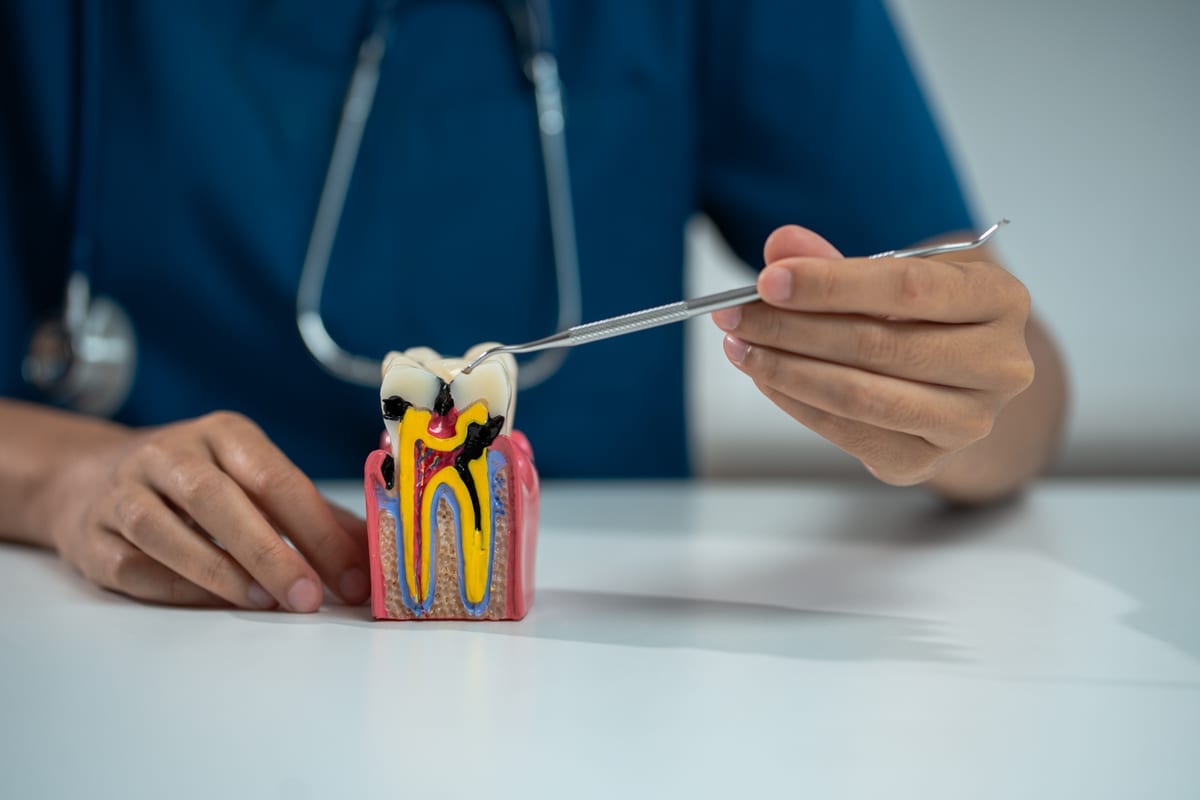
Root canals become necessary when the inner pulp of a tooth becomes infected or inflamed. This usually happens because of deep decay, a cracked tooth, or repeated dental work on the same tooth.
Common warning signs include:
- Persistent toothache, especially when chewing
- Sensitivity to hot or cold that lingers after the source is removed
- A darkening or discolouration of the tooth
- Swelling or tenderness in nearby gums
- A small pimple-like bump on the gum near the tooth
Waiting too long makes treatment more complex. Early intervention protects both the tooth and surrounding bone. In severe cases, an untreated tooth may require extraction rather than a root canal — and tooth loss leads to a different set of challenges.
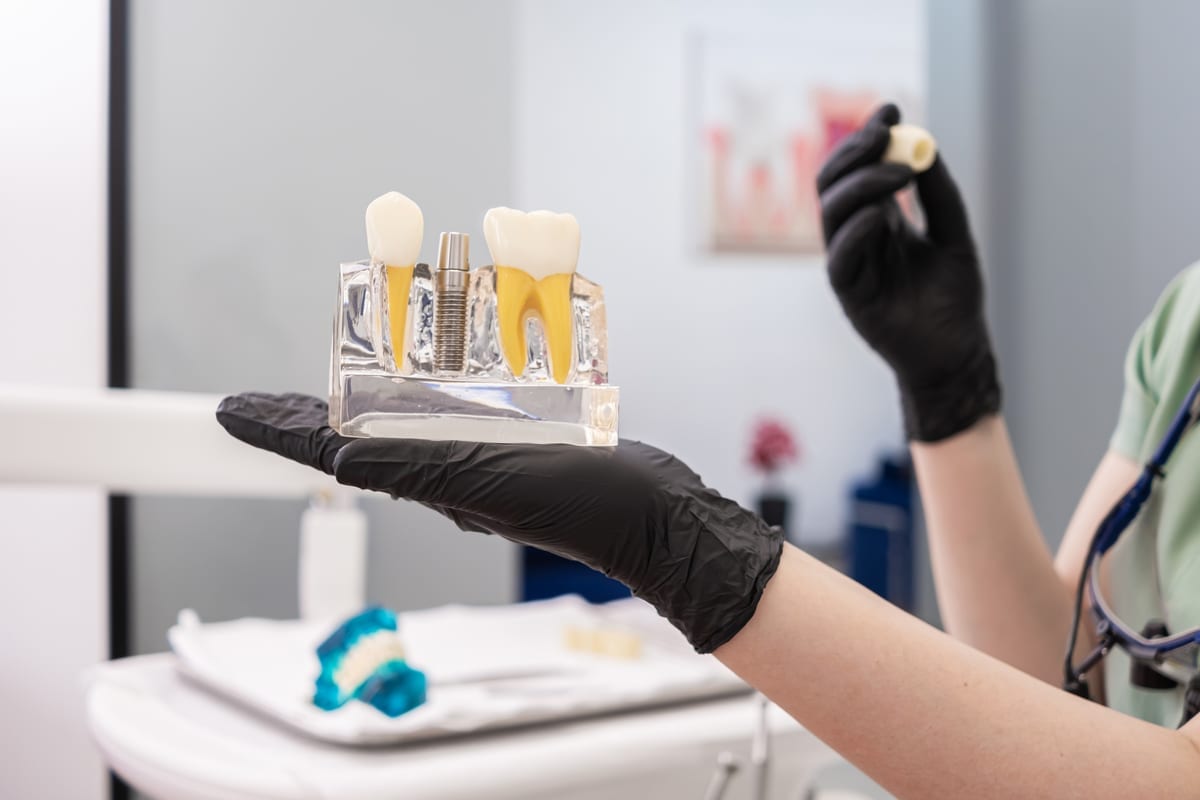
Replacing a lost tooth with Dental Implants Lewisburg is an excellent option, but saving your natural tooth is always the preferred first step.
How Dr. Donelson Makes Root Canals Comfortable at Hallmark Dental
Dr. David Donelson built Hallmark Dental Lewisburg on the principle that patients deserve honest, compassionate care. That starts with clear communication. He explains every step before he takes it.
Patients who feel informed feel calmer. Dr. Donelson checks in with you throughout the procedure. You always have the ability to pause if you need a moment.
The team uses modern anesthetic techniques that ensure deep, lasting numbness. Hallmark Dental also offers a calm, welcoming environment designed to reduce anxiety from the moment you walk in.
Conclusion: The Real Root Canal Experience
Root canal reality is this: the procedure is far more manageable than most people expect. Modern anesthesia, skilled technique, and a step-by-step approach make the treatment genuinely tolerable. Dr. Donelson and the Hallmark Dental Lewisburg team are committed to guiding you through every moment. You don’t have to face this alone — and you don’t have to be afraid. Book Now to schedule your appointment with our team.
Frequently Asked Questions
Does a root canal actually hurt during the procedure?
No — not with modern anesthesia. Dr. Donelson numbs the area completely before starting. Most patients feel pressure and vibration but no pain. The infection causing your toothache is far more painful than the treatment itself.
How long does a root canal take at Hallmark Dental Lewisburg?
Most root canals take between 60 and 90 minutes. Complex cases or teeth with multiple canals may require a second appointment. Dr. Donelson will give you a clear time estimate at your consultation.
Can I drive myself home after a root canal?
Yes, in most cases. Root canals use local anesthesia, not general sedation. You’ll be alert and able to drive. However, if you take an anti-anxiety medication beforehand, you’ll need a ride home.
What happens if I don’t get a root canal when I need one?
The infection will worsen over time. It can spread to surrounding teeth, gum tissue, or even the jawbone. Eventually, the tooth may need extraction. Treating the problem early with a root canal saves your natural tooth and prevents more serious health concerns.
Will I need a crown after my root canal?
In most cases, yes. A crown protects the treated tooth from cracking under chewing pressure. Dr. Donelson will discuss whether a crown is right for your specific tooth during your consultation at Hallmark Dental Lewisburg.