Brentwood: (615) 235-1966


How Dental Crowns Help with Tooth Sensitivity
Brentwood and Lewisburg, TN
When dealing with tooth sensitivity, you might experience discomfort while eating or drinking hot or cold foods. This sudden, sharp pain can be frustrating and interfere with your daily life. One of the most effective treatments for tooth sensitivity is dental crowns. This blog will explore how dental crowns can alleviate tooth sensitivity and restore your comfort.
What Causes Tooth Sensitivity?
Tooth sensitivity occurs when the enamel that protects your teeth wears down, exposing the underlying layer, the dentin. The dentin contains tiny tubules that lead to nerve endings inside the tooth. When these tubules are exposed, stimuli such as cold, heat, or sweet foods can trigger pain. Several factors can contribute to tooth sensitivity, including:
- Enamel erosion: Caused by acidic foods and beverages, brushing too hard, or aging.
- Gum recession: It lays bare the roots of the teeth.
- Cracked or chipped teeth allow bacteria and irritants to affect the nerve.
Fortunately, dental crowns can be a solution for managing tooth sensitivity, primarily when it is caused by extensive enamel loss or a cracked tooth.
What Are Dental Crowns?
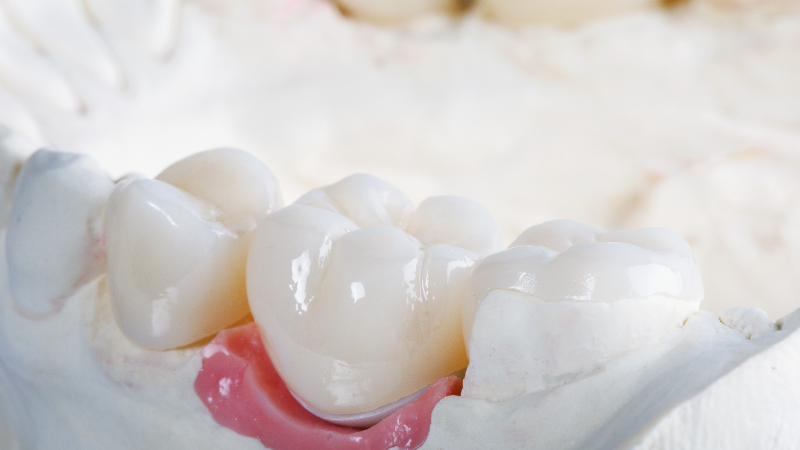
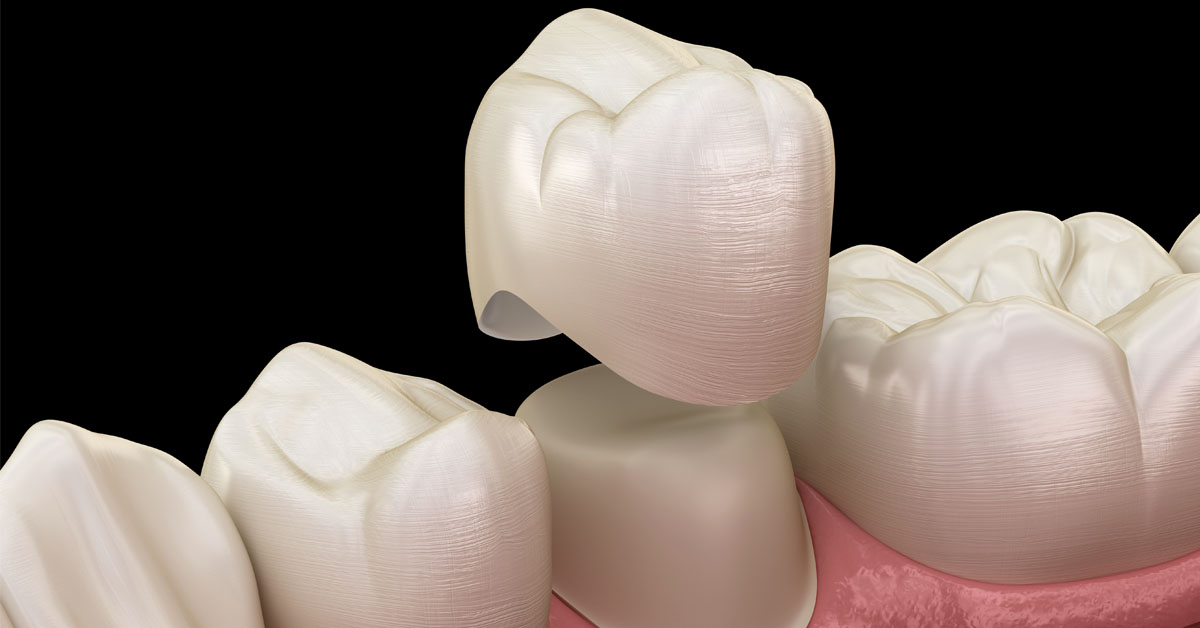
Dental crowns are caps-like false teeth that cover damaged or decayed teeth. They are designed to cover the entire tooth, restoring its shape, size, strength, and appearance. Crowns are made from various materials, including porcelain, ceramic, or metal alloys, and they are tailored to match the color of your natural teeth for a seamless look.
At Hallmark Dental, we offer high-quality dental crowns in Brentwood to help you regain your comfort and restore your smile. Whether you’re dealing with a cracked tooth, severe decay, or enamel erosion, a dental crown can provide the protection your tooth needs to prevent further damage and reduce sensitivity.
How Do Dental Crowns Help with Tooth Sensitivity?
Dental crowns offer several benefits for those with tooth sensitivity. Here’s how they work:
- Protection of Exposed Nerves: When enamel is worn away, the nerves in the tooth become more exposed to temperature and pressure changes. Placing a crown over the affected tooth acts as a barrier, protecting the exposed nerves from external stimuli such as cold, heat, and even sweet foods. This reduces the pain and discomfort associated with sensitivity.
- Restoration of the Tooth’s Structure: If your tooth is cracked or decayed, it may have weakened, contributing to sensitivity. A crown restores the tooth’s original structure and strength, preventing further damage and providing stability.
- Prevention of Further Enamel Erosion: Dental crowns cover the entire tooth, helping prevent further enamel erosion. This is particularly beneficial for patients with worn-down teeth due to grinding or acidic foods. The crown helps to preserve the remaining healthy enamel and keeps the tooth strong.
- Improved Bite Function: When your tooth is sensitive, chewing and biting can be uncomfortable. A dental crown improves your bite by restoring the tooth to its standard shape, which can make eating less painful and more enjoyable.
- Aesthetic Improvement: If sensitivity is caused by cosmetic issues, such as discoloration or chips, dental crowns can improve the appearance of your teeth. A porcelain or ceramic crown can blend seamlessly with your natural teeth, giving you a beautiful smile without the discomfort of sensitivity.
The Process of Getting a Dental Crown
The process of getting a dental crown typically involves two visits to our Brentwood office:
- Initial Consultation and Preparation: During your first visit, we will examine your tooth, take dental X-rays, and discuss your treatment options. If a crown is determined to be the best solution, we will prepare the tooth by removing any decayed or damaged areas. Then, we will take an impression of your tooth to create a custom crown that fits perfectly.
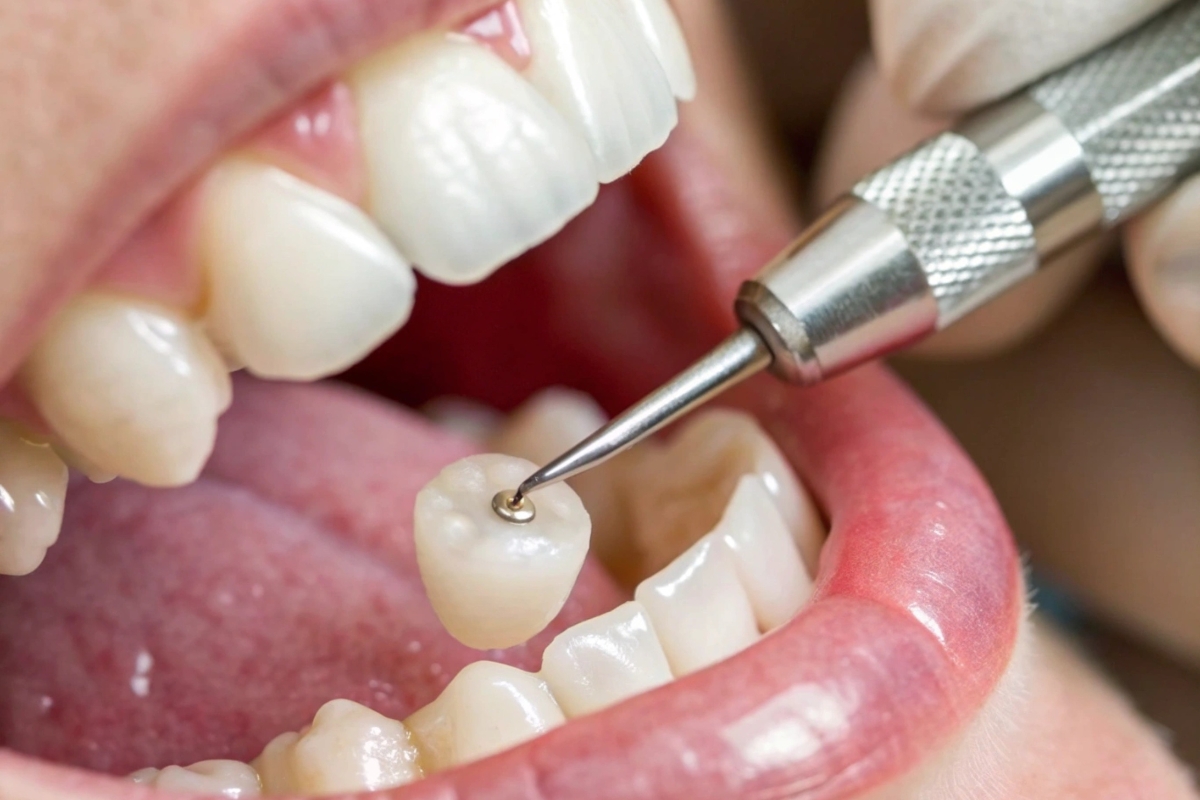
- Placement of the Crown: Once your permanent crown is ready, we will place it over your tooth and make any necessary adjustments to ensure a comfortable fit. The crown is then permanently bonded to your tooth, providing a durable, long-lasting solution to tooth sensitivity.
Types of Dental Crowns
At Hallmark Dental, we offer various types of crowns, each designed to meet different needs:
- Porcelain Crowns: Ideal for front teeth, porcelain crowns offer a natural appearance that blends seamlessly with your smile.
- Porcelain-Fused-to-Metal Crowns: These crowns provide the durability of metal with the aesthetic appeal of porcelain. They are great for back teeth, where strength is crucial.
- Zirconia Crowns: Made from durable ceramic, zirconia crowns are both durable and natural-looking, making them a good choice for most patients.
- Metal Crowns: These crowns are typically used for molars and are known for their strength and durability, though they are not as aesthetically pleasing as porcelain options.
Benefits of Dental Crowns for Tooth Sensitivity
Dental crowns offer several advantages for those dealing with tooth sensitivity:
- Pain Relief: By covering exposed nerves, crowns can significantly reduce discomfort from sensitive teeth.
- Long-Term Protection: Crowns help prevent further damage to a tooth, ensuring it remains functional and pain-free for many years.
- Aesthetic Enhancement: Crowns restore the appearance of damaged teeth, improving both function and smile aesthetics.
- Durability: Dental crowns are built to last, providing a long-term solution for tooth sensitivity and other dental issues.
Brentwood is known for its beautiful suburban atmosphere and high-quality dental care, and Hallmark Dental is proud to serve the local community with compassionate and personalized care. Whether you’re new to the area or a long-time resident, our team is dedicated to providing exceptional dental services, including dental crowns in Brentwood, to help you maintain a healthy and beautiful smile.
Call us today to schedule your consultation with Dr. Donelson at Hallmark Dental!
FAQs
1. How long do dental crowns last?
Dental crowns last between 10 and 15 years, depending on the material used and how well you care for your teeth.
2. Are dental crowns painful to get?
The process of getting a dental crown is generally painless, as local anesthesia is used during the procedure. You may experience some mild discomfort afterward, but this usually subsides within a few days.
3. Can dental crowns be used for sensitive teeth?
Yes, dental crowns are an excellent solution for sensitive teeth. They protect exposed nerves and prevent pain from hot, cold, or sweet foods.
4. How should I care for my dental crown?
Good oral hygiene practices, such as brushing and flossing regularly, will help maintain the longevity of your crown. It’s also important to avoid chewing on hard objects that could damage the crown.
5. Are dental crowns covered by insurance?
Many dental insurance plans cover a portion of the cost of dental crowns, primarily if the crown is used for restorative purposes. Be sure to check with your insurance provider for coverage details.