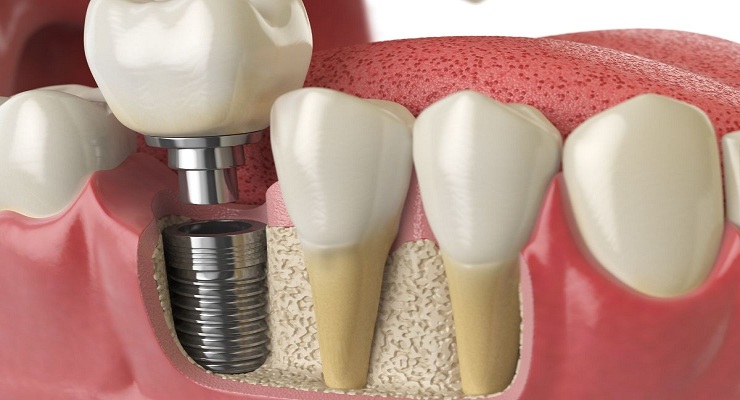
Brentwood: (615) 235-1966


From Implant Placement to Recovery: A Practical Guide
Brentwood and Lewisburg, TN
Dental implants have become a game-changer in restorative dentistry. They offer a reliable and long-lasting solution for replacing missing teeth, allowing patients to restore their smile and confidence. The popularity of dental implants continues to rise, and for good reason. They not only look and feel like natural teeth, but they also provide unparalleled functionality.
In this blog, we’ll walk you through the entire journey of dental implant treatment at Hallmark Dental, from the initial consultation to the recovery process. Understanding each stage of the procedure is crucial for achieving optimal results and ensuring a smooth recovery. By knowing what to expect, you can feel more prepared and confident as you embark on your dental implant journey.
What Are Dental Implants?
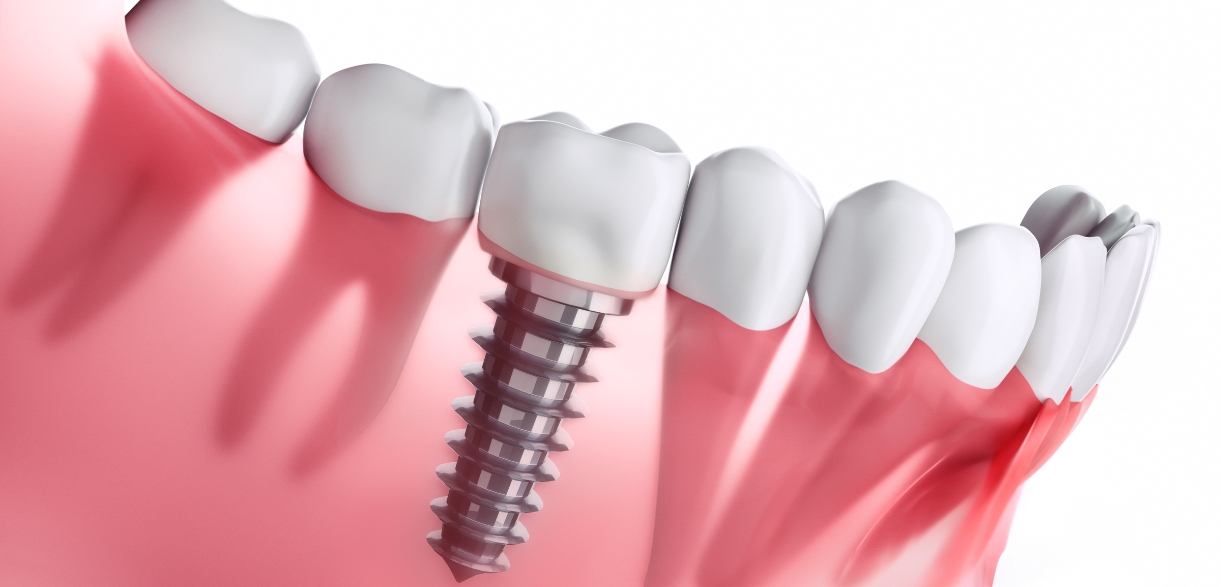
A dental implant is a titanium post that is surgically placed into the jawbone, serving as a replacement for the root of a missing tooth. Once the implant is securely in place, a custom-made crown is attached to restore both the function and appearance of your tooth.
One of the main advantages of dental implants is their durability. Unlike bridges or dentures, which may need replacement over time, dental implants are designed to last for many years with proper care. They also provide a natural appearance, blending seamlessly with your existing teeth. Additionally, dental implants help preserve the structure of your jawbone, preventing bone loss that can occur with missing teeth.
Implants are often the preferred choice for patients seeking a permanent solution to tooth loss, as they provide a stable, long-lasting, and aesthetically pleasing result.
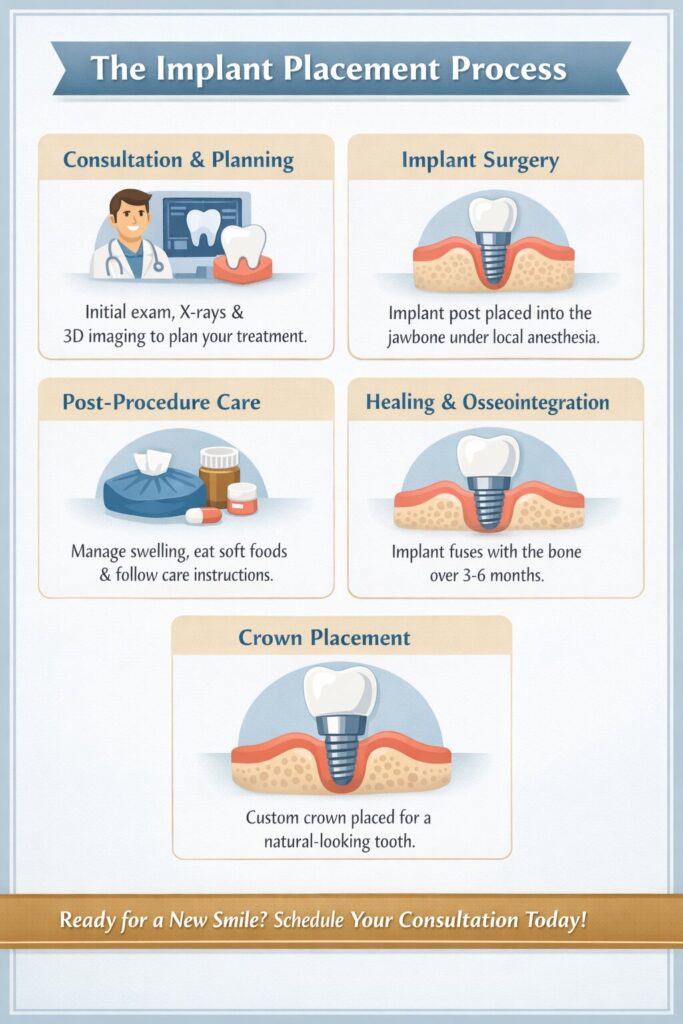
The Implant Placement Process
Consultation and Planning
The journey to getting a dental implant in Brentwood starts with a comprehensive consultation at Hallmark Dental. During this visit, your dentist will carefully evaluate your oral health and discuss your treatment goals. This step is crucial for ensuring that dental implants are the right solution for you.
Your dentist will take X-rays and may also perform 3D imaging to get a detailed view of your jawbone structure. These images help determine whether you have sufficient bone density to support the implant. If your bone density is insufficient, a bone graft may be recommended to strengthen the area before proceeding with the implant placement.
Impressions of your teeth may also be taken to create a custom plan for the implant procedure. Your dentist will ensure that the implant is positioned correctly to match the size, shape, and alignment of your natural teeth. This planning phase helps set the foundation for a successful and precise placement of the implant.
The Surgery
When it’s time for the surgery, the procedure typically takes 1-2 hours, depending on the complexity of the case. Dental implant placement is performed under local anesthesia, which ensures you remain comfortable and pain-free throughout the process. Sedation options may also be offered for those who feel anxious about the procedure.
The dentist will begin by making a small incision in the gum tissue to expose the jawbone. Once the area is prepared, a small hole is drilled into the bone, and the titanium implant post is carefully inserted. The post acts as the new root for your missing tooth. After the implant is securely in place, the gum tissue is stitched back up, and the site is allowed to heal.
During the surgery, patients can expect to feel some pressure, but the anesthesia ensures that no pain is felt. Most dental implant procedures are well-tolerated, and patients typically experience little discomfort.
Post-Procedure Care
Immediately following the surgery, some swelling and discomfort are normal, but these symptoms usually subside within a few days. Your dentist at Hallmark Dental will provide post-surgery instructions, including recommendations for managing pain, such as taking prescribed medications or over-the-counter pain relievers. Ice packs can also help reduce swelling and discomfort.
It’s important to follow your dentist’s care instructions closely, which may include avoiding hard or crunchy foods for the first few days and maintaining gentle oral hygiene to prevent infection. Rest and avoiding physical exertion are also essential during the first few days of recovery to support the healing process.
The recovery process typically takes a few days to a week, with most patients returning to normal activities within a few days.
Immediate Post-Implant Care
What to Expect Right After Surgery
The first few days following your implant surgery are crucial for the healing process. Swelling and some discomfort are common, but these symptoms should subside within a week. Your dentist may prescribe pain medications or recommend over-the-counter options to help manage any discomfort.
Managing Pain and Discomfort
To ease pain, use ice packs for 20-minute intervals during the first 24 hours. Eating soft foods like soups, mashed potatoes, and smoothies is advisable, as they’re easy to chew and won’t irritate the implant site. Avoid hot, spicy, or hard foods, as these can cause discomfort or disrupt the healing process.
Dos and Don’ts
To promote healing, follow these essential dos and don’ts:
- Do keep your mouth clean by gently rinsing with salt water after meals.
- Don’t smoke, as it can hinder the healing process.
- Do stick to soft foods and avoid hard or crunchy items.
- Don’t engage in heavy physical activities, which can increase swelling.
Healing and Osseointegration
What is Osseointegration?
Osseointegration is the process by which the titanium implant fuses with the jawbone. This step is essential for the stability and longevity of the implant. During this period, which can take 3 to 6 months, new bone tissue forms around the implant, securing it firmly in place.
This process is one of the key advantages of dental implants, as it ensures a permanent and strong foundation for your new tooth.
Healing Timeline
Initially, you may feel some tenderness around the implant area, but it should gradually improve as osseointegration progresses. After 3-6 months, the implant should be fully integrated into your bone, allowing for the attachment of the final restoration, a custom-made crown designed to match the rest of your teeth.
The Final Restoration: Placing the Crown
When Will the Crown Be Placed?
After the dental implant has fully integrated with the jawbone, it’s time for the final step in the process, the placement of the crown. This phase typically occurs several months after the initial surgery to allow enough time for osseointegration, the process in which the implant post fuses with the bone. Generally, this healing period takes about 3 to 6 months, depending on your individual healing rate.
Once your dentist at Hallmark Dental confirms that the implant is secure and ready for the crown, you’ll return for another visit. During this appointment, your dentist will ensure that the implant is stable and then take precise impressions or digital scans of your mouth to create a custom crown that fits seamlessly with the rest of your teeth.
How the Crown Is Attached
The final crown is the part of the dental implant that you’ll see and use for chewing, so it must be crafted with both aesthetics and functionality in mind. Your dentist will work with dental technicians to create a crown that matches the size, shape, and color of your natural teeth. This custom-made crown is typically made from high-quality materials like porcelain, zirconia, or ceramic, which are not only durable but also mimic the look and feel of natural teeth.
Once your crown is ready, your dentist will begin the process of attaching it to the implant. First, an abutment, a small connector piece, is placed onto the implant post. This abutment serves as the anchor that holds the crown in place. After the abutment is securely attached, your dentist will place the custom-made crown over the abutment and ensure that it fits comfortably.
The final crown is secured onto the abutment with dental cement or screws. Your dentist will check for proper alignment, bite, and functionality to ensure that the crown restores both the aesthetic appearance and function of your missing tooth. If necessary, slight adjustments will be made to ensure that the crown fits perfectly with your other teeth.
The result is a fully restored tooth that looks and functions like your natural teeth. With proper care, your dental implant and crown can last for many years, giving you a lasting, beautiful smile.
Long-Term Care and Maintenance
Ongoing Oral Hygiene
Taking care of your dental implant in Brentwood is simple. Just like with your natural teeth, regular brushing and flossing are essential to keeping your implant clean and healthy. Use a soft-bristled toothbrush and non-abrasive toothpaste to avoid damaging the crown.
Regular Checkups
Routine dental visits are crucial to monitor the health of your implant and ensure that it remains stable. Your dentist will check for any signs of infection or issues with the implant. Regular checkups also help maintain your overall oral health.
Avoiding Implant Failures
To keep your implant in top shape, avoid smoking, excessive alcohol consumption, and poor oral hygiene, all of which can contribute to implant failure. Be mindful of your diet and avoid chewing on hard objects that could damage the crown.
In conclusion, dental implants are a reliable and long-lasting solution for missing teeth, offering both functional and aesthetic benefits. With proper care and attention, your dental implant can last for many years, improving your quality of life and restoring your confidence in your smile.
At Hallmark Dental, we are committed to helping you achieve the best results from your dental implant procedure. If you’re considering dental implants, contact us today to learn more about how they can restore your smile and your confidence. Schedule a consultation with us at Hallmark Dental to take the first step toward a brighter, healthier smile.
Frequently Asked Questions
How long does a dental implant crown last?
With proper care, a dental implant crown can last 10 to 15 years or more. Regular dental checkups and good oral hygiene are key to its longevity.
Will the crown match my natural teeth?
Yes, dental crowns are custom-made to match the color, size, and shape of your natural teeth, ensuring a seamless and natural-looking result.
Can I eat normally with a dental implant crown?
Yes, once the crown is placed, you can eat most foods normally. However, avoid very hard or sticky foods that could potentially damage the crown.
Will my dental implant crown be noticeable?
No, the crown is custom-designed to match your natural teeth, ensuring it blends seamlessly into your smile and looks completely natural.
What materials are used to make dental implant crowns?
Dental implant crowns are typically made from porcelain, ceramic, or zirconia, which are durable and mimic the look of natural teeth.