Brentwood: (615) 235-1966


How Often Should I Have My Dentures Relined?
Brentwood and Lewisburg, TN
Living in Brentwood means enjoying everything the East Bay has to offer — great food spots on Main Street, scenic walks along Marsh Creek Trail, and a community that takes pride in looking and feeling its best. For many of our neighbors who wear dentures, keeping them comfortable and functional is part of daily life.
But over time, even properly fitting dentures can start to feel loose, uncomfortable, or uneven. That’s when relining becomes an important part of denture care. In this article, we’ll explore how often dentures should be relined, why that matters, signs you might need a reline, and how timely adjustments can save frustration and enhance your smile.
Why Denture Fit Changes Over Time
Your mouth changes constantly — not just when you’re young, but throughout adulthood. Bone and gum tissue can shift due to aging, chewing pressure, or weight loss. These changes are gradual, but the result is the same: dentures that once fit snugly can start to feel loose or unstable.
Loss of fit isn’t just uncomfortable — it can affect:
- Chewing efficiency (making your favorite Brentwood meals harder to enjoy)
- Speech clarity
- Gum health (loose dentures can rub and irritate soft tissue)
- Confidence and social comfort
This is where routine denture maintenance, like relining, comes in.
What Is a Denture Reline?
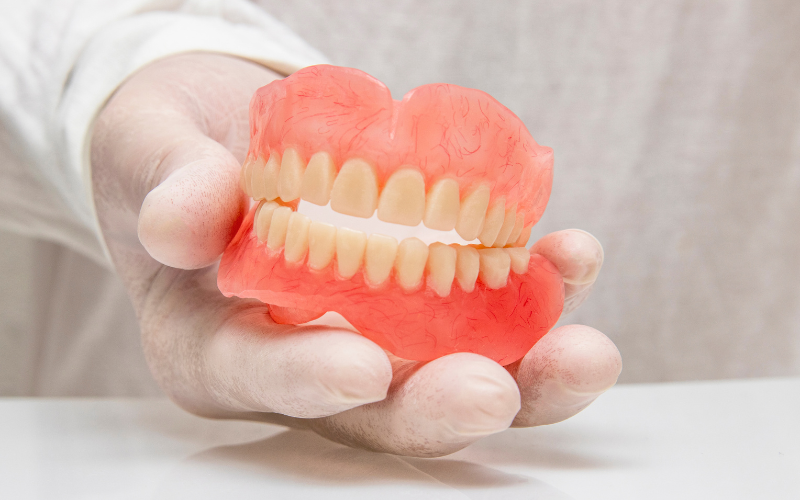
A denture reline is a dental service that reshapes the inside surface of your denture to better match the current contours of your gums and jawbone. It doesn’t change the overall look of the denture, but it improves how it sits in your mouth. Think of it as a custom “tune‑up” that restores comfort and stability.
Rather than replacing the entire denture, relining adjusts the fit so it feels closer to how it did when it was new.
A Practical Guideline: How Often Should Dentures Be Relined?
There’s no one‑size‑fits‑all timetable, but a general guideline many dental professionals recommend is:
- Every 12 to 24 months, depending on how quickly your mouth changes
Some patients benefit from more frequent evaluations, especially in the first few years after new dentures are made or after significant weight changes. Others can go longer between relines if their dentures remain comfortable and functional.
Regular checkups make all the difference because they help catch fit changes early — before soreness or difficulty eating becomes a bigger issue.
Signs It’s Time for a Denture Reline
You may not need to rely on a strict schedule, but you should reach out sooner if you notice any of the following:
- Your dentures slip while eating or speaking
- Gums feel sore or irritated after wearing dentures
- You’re developing frequent pressure spots
- There’s visible wear on the denture base
- You have trouble chewing certain foods you once enjoyed
These signs mean your dentures aren’t sitting as they should, and a reline can make everyday activities more comfortable again.
Benefits of Timely Denture Relines
Getting your dentures relined when needed offers several advantages:
Better Comfort
A snug fit reduces rubbing and sore spots, which can make a big difference in daily life.
Improved Function
Stable dentures improve chewing and speaking, letting you enjoy meals at your favorite Brentwood restaurants and chat with friends without conscious effort.
Less Irritation
Reducing excess movement lowers the risk of gum inflammation and irritation.
Longer Denture Life
Relines help maintain a proper fit, so your dentures stay functional longer before needing replacement.
Relining vs. Adjustment: What’s the Difference?
Sometimes dentures just need a minor tweak, especially if they’re newly made. A denture adjustment can smooth sharp edges or correct minor pressure points. A reline is more comprehensive, modifying the surface that contacts your gums to improve fit. Your dental care team will determine which is appropriate based on evaluation.
How the Reline Process Works
The process is straightforward and typically completed in a couple of visits:
- Evaluation and Impressions:
Your dentist assesses how your dentures fit and takes new impressions of your gums. - Relining Material Application:
A layer of reline material is applied to the denture’s tissue side. - Trial Fit:
You bite down and help shape the new surface for comfortable contact. - Final Adjustments:
After the material sets, minor adjustments are made for comfort.
Most people find the procedure fast and well-tolerated. Afterward, your dentures should feel noticeably more secure.
Denture Care Between Relines
A reline helps with fit, but good denture care makes your oral appliance last longer and feel better daily:
- Clean dentures daily with a non‑abrasive cleanser
- Rinse after meals
- Soak overnight to keep them hydrated
- Avoid using toothpaste (can be abrasive)
- Store in water or denture solution when not worn
Also, continue seeing your dental provider regularly — this keeps your soft tissues healthy and lets professionals spot issues early.
Keeping your dentures relined when needed helps you live fully in a town that values both community and quality of life.
If your dentures feel loose or uncomfortable, it’s worth having them evaluated sooner rather than later. A well‑timed reline can make daily life easier, whether you’re enjoying brunch in Brentwood’s historic downtown or catching up with friends over dinner.
At Hallmark Dental, we help patients assess denture fit, perform relines when needed, and tailor care plans that fit your lifestyle and comfort needs. If you’ve noticed discomfort, slipping, or changes in how your dentures fit, booking a consultation is a great next step.
Schedule a visit today, and let us help you enjoy your smile again with confidence and comfort.
Common Questions About Denture Relines
How long does a denture reline last?
Typically 1–2 years, but this varies with how quickly your mouth changes and your daily wear habits.
Can I eat normally after a reline?
Yes. After a brief adjustment period, most people resume eating normally. Start with softer foods for a day or two as you adapt.
Does relining hurt?
The process itself should not be painful. If your gums are already sore from loose dentures, comfort improves quickly once the fit is corrected.
Can relining prevent sores?
Yes, a proper fit reduces rubbing and pressure points, lowering the chance of sore areas forming.