
Your Broken Tooth Emergency: First Aid Steps Before Your Appointment

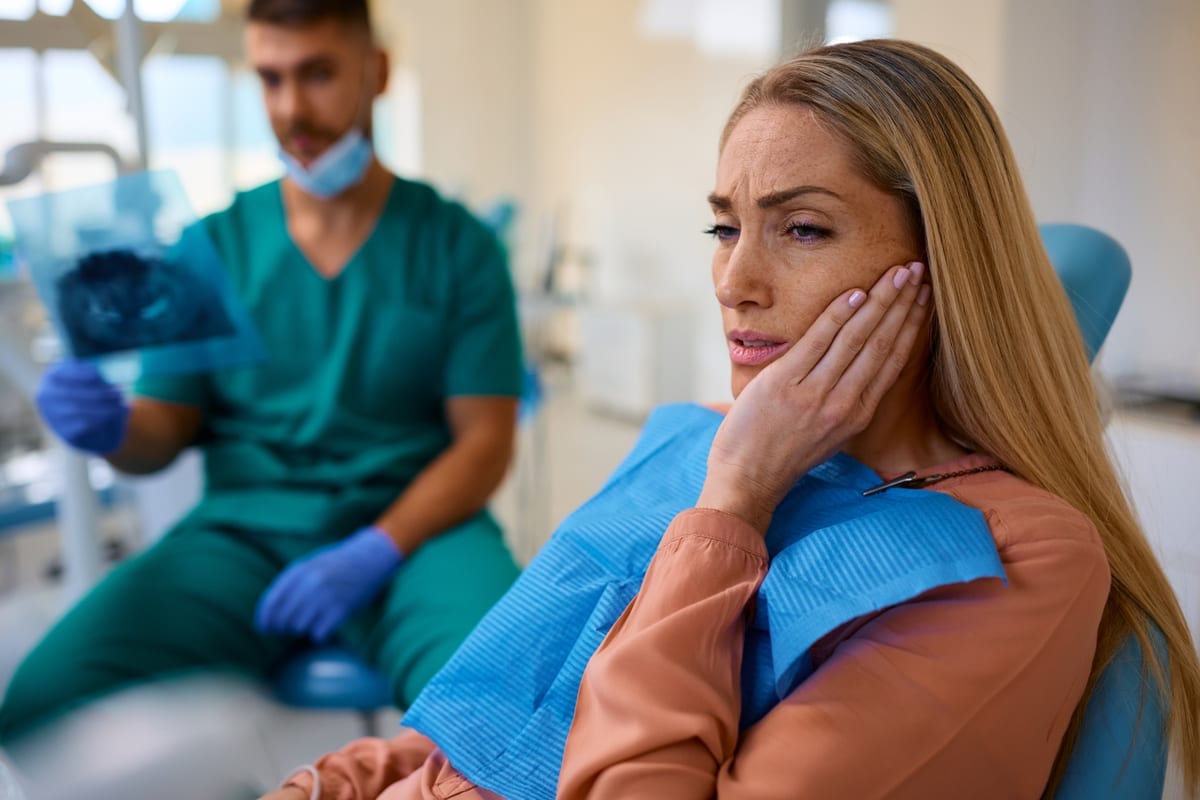
A broken tooth can happen in an instant — biting into hard food, a sports accident, or an unexpected fall. Knowing what to do right away can make a big difference. Your broken tooth emergency requires calm, quick thinking before your appointment in Lewisburg. At Hallmark Dental Lewisburg, Dr. David Donelson and our caring team are ready to help you recover fully.
Why a Broken Tooth Is Always a Dental Emergency in Lewisburg
Many people wonder if a broken tooth is serious enough to call a dentist right away. The answer is almost always yes. Even a small crack can expose the inner layers of your tooth. That exposure leads to pain, sensitivity, and risk of infection.
A broken tooth left untreated can worsen quickly. Bacteria enter the crack and travel toward the root. This can turn a simple repair into a much larger problem. Acting fast protects both your comfort and your long-term dental health.
Some breaks look minor on the surface but run deep into the tooth structure. Only a dental professional can fully assess the damage. Dr. Donelson uses careful examination to determine the best treatment path for your specific situation.
Immediate First Aid Steps Before Your Appointment
While you wait for your dental appointment, these first aid steps can reduce pain and prevent further damage. Stay calm — most broken teeth are very treatable when handled correctly.
- Rinse your mouth gently with warm water to clean the area.
- Apply gentle pressure with gauze if there is any bleeding.
- Save any tooth fragments and store them in a small container of milk or clean water.
- Use a cold compress on the outside of your cheek to reduce swelling.
- Take an over-the-counter pain reliever like ibuprofen to manage discomfort.
- Cover sharp edges with dental wax or sugar-free gum to protect your tongue and cheeks.
- Avoid chewing on that side of your mouth until you see the dentist.
These steps keep you comfortable and give Dr. Donelson the best chance to save your tooth. Do not attempt to repair the tooth yourself with adhesives or other household products.
What to Avoid After Breaking a Tooth
Just as important as what you should do is what you should avoid. Certain actions can make the damage worse or increase your pain significantly.
- Avoid very hot or very cold foods and drinks — they aggravate exposed nerves.
- Do not bite down hard on anything until the tooth is treated.
- Skip crunchy, sticky, or chewy foods that could crack the tooth further.
- Do not ignore the pain or assume it will go away on its own.
- Avoid aspirin placed directly on the gum — this can burn soft tissue.
These precautions protect your mouth between now and your appointment. Lewisburg residents can call Hallmark Dental Lewisburg to speak with our team about next steps.
What Treatment Options Does Dr. Donelson Offer for a Broken Tooth?
Your treatment will depend on the size, location, and severity of the break. Dr. Donelson will assess the tooth thoroughly before recommending any procedure. There are several excellent options available at Hallmark Dental Lewisburg.
For minor chips, dental bonding often restores the tooth quickly and comfortably. Larger breaks may require Dental Crowns Bridges Lewisburg to fully protect and restore the tooth structure. A crown covers the entire visible tooth, preventing further cracking or breakage.
If the break extends to the root or causes infection, a root canal treatment may be necessary first. This removes the damaged inner tissue and relieves pain. After healing, a crown is typically placed to protect the treated tooth.
In some cases, extraction is necessary when the tooth cannot be saved. Dr. Donelson will always try to preserve your natural tooth whenever possible. If extraction is needed, replacement options like dental implants are discussed during your visit.
It is also important to check for soft tissue damage around the broken tooth. Cracks can irritate or cut into your gums over time. If gum irritation or infection develops, Gum Disease Treatment Lewisburg may be recommended alongside your dental repair.
How to Prepare for Your Appointment at Hallmark Dental Lewisburg
When you arrive for your emergency dental visit, our team will make you feel welcome and at ease. Let us know about your pain level and any symptoms you have noticed since the break. Bring any saved tooth fragments with you — they may be useful for treatment.
Dr. Donelson will take X-rays to see the full extent of the damage below the gumline. A thorough examination follows so we understand every aspect of your situation. We will explain your treatment options clearly before anything begins.
You do not need to feel anxious about your appointment. Our team at Hallmark Dental Lewisburg prioritizes your comfort at every step. We work efficiently to relieve your pain and restore your smile as quickly as possible.
Conclusion: Do Not Wait — Get the Help You Need
A broken tooth is stressful, but you do not have to face it alone. Following the first aid steps above keeps you comfortable and protects your tooth until you reach our office. Dr. David Donelson and the team at Hallmark Dental Lewisburg are experienced in handling dental emergencies with care and expertise. Book Now to schedule your appointment with our team.
Frequently Asked Questions
What should I do if my broken tooth is causing severe pain?
Take an over-the-counter pain reliever like ibuprofen and apply a cold compress to the outside of your cheek. Rinse gently with warm water and call Hallmark Dental Lewisburg as soon as possible. Severe pain often indicates that the inner nerve is exposed and needs prompt professional attention.
Can a broken tooth heal on its own?
No — unlike bones, teeth cannot heal themselves. A broken tooth will not repair on its own and will likely worsen without dental treatment. Even if the pain fades, the structural damage remains and the risk of infection continues.
How long can I wait before seeing a dentist for a broken tooth?
You should contact a dentist as soon as possible — ideally within 24 hours. Delaying treatment increases the risk of infection, nerve damage, and more extensive repairs. The sooner Dr. Donelson evaluates your tooth, the better your chances of saving it.
Will I need a crown after a broken tooth?
Not always, but a crown is a common solution for larger breaks or cracks. It fully encases the tooth to prevent further damage and restore normal function. Dr. Donelson will recommend the most appropriate treatment based on the severity of your specific break.
Is a chipped tooth the same as a broken tooth?
A chip involves a small piece of enamel breaking off, while a break or crack is typically more significant. Both require dental evaluation to determine the right treatment. Even minor chips can develop sharp edges that irritate your mouth and may worsen over time without care.