
Your Whitening Results Won’t Last Forever—Here’s Why
Your whitening results won’t last forever—here’s why Lewisburg patients often find themselves frustrated after investing in a brighter smile. Teeth whitening is one of the most popular cosmetic treatments we offer at Hallmark Dental Lewisburg. But many patients are surprised when their results start to fade sooner than expected. Understanding why this happens—and what you can do about it—puts you back in control of your smile.
Dr. David Donelson and our team hear this concern regularly. The good news is that fading is entirely predictable. Once you understand the causes, you can take real steps to extend your results significantly.
How Long Do Whitening Results Actually Last in Lewisburg?
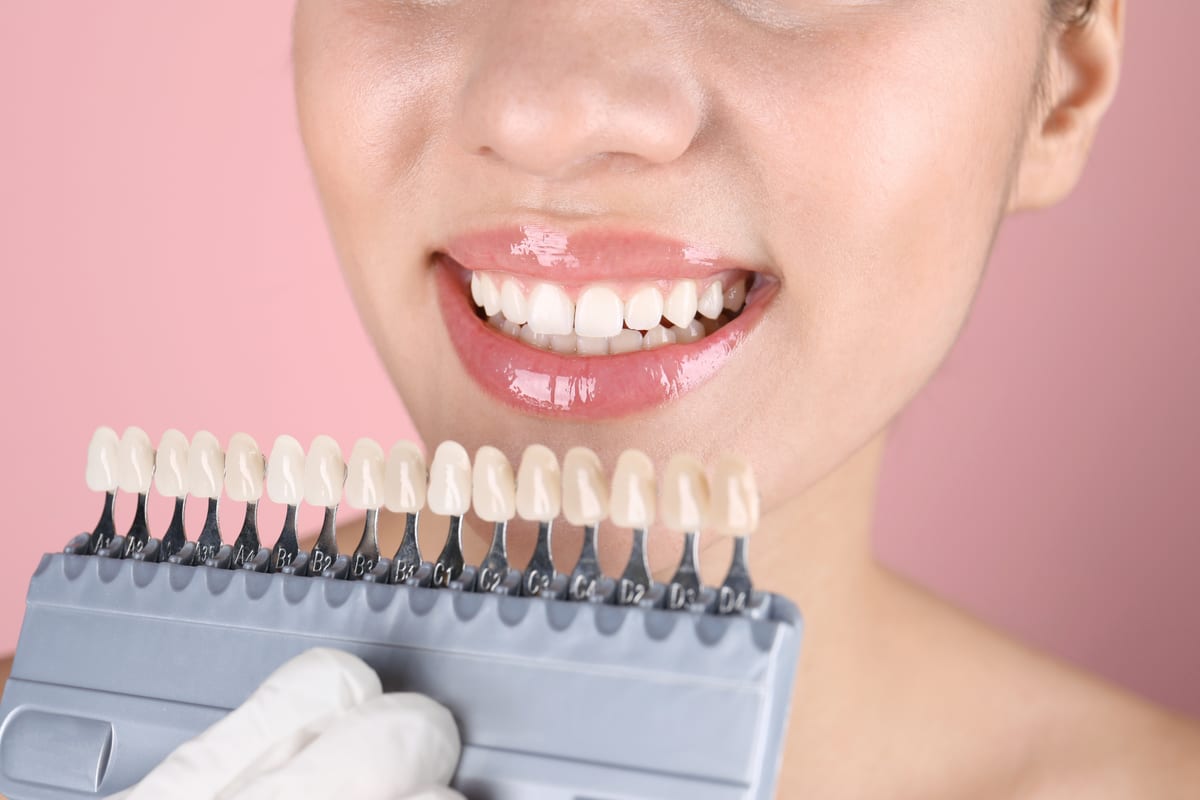
Most professional whitening treatments last between six months and two years. That’s a wide range, and for good reason. Your lifestyle, diet, and oral hygiene habits all play a major role. Patients who follow aftercare guidelines consistently enjoy results on the longer end of that spectrum.
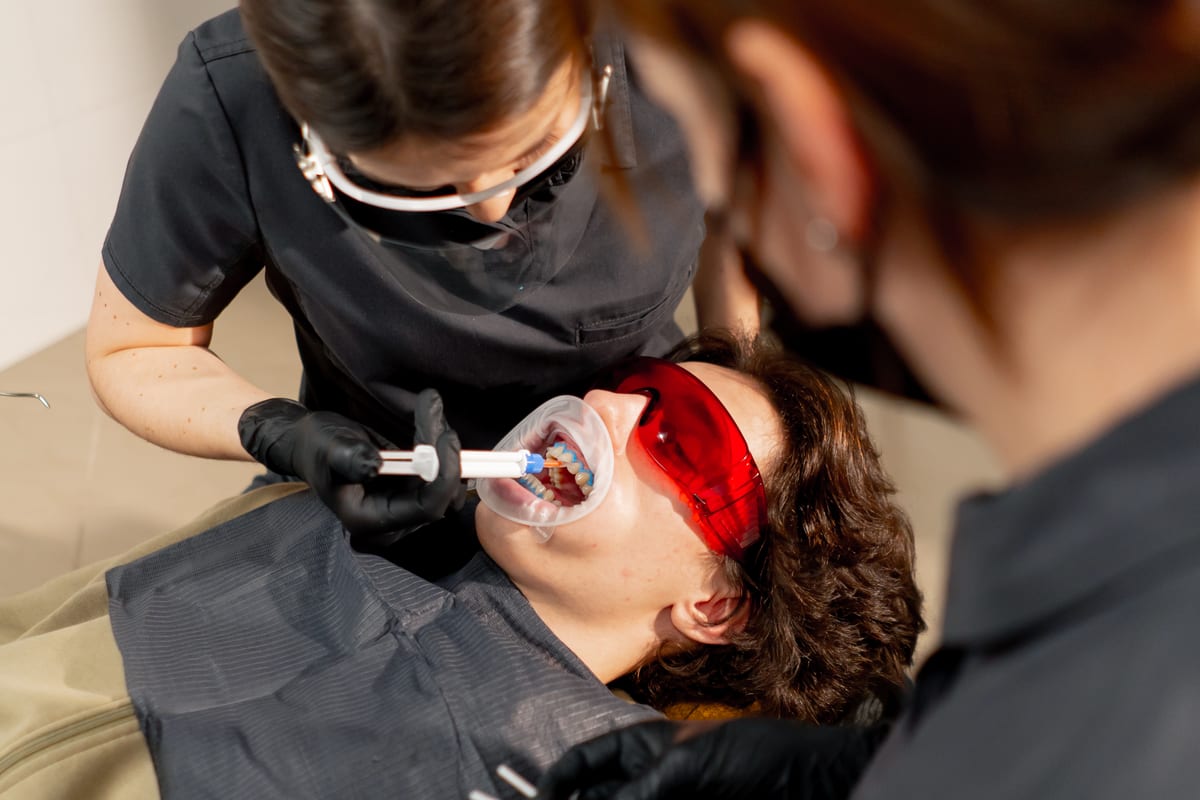
Over-the-counter whitening kits typically fade faster than professional treatments. Professional-grade whitening penetrates deeper into the enamel for more durable results. At Hallmark Dental Lewisburg, Dr. Donelson customizes your treatment to give you the longest-lasting outcome possible.
It’s also important to understand that whitening doesn’t stop staining forever. Your enamel is porous, which means it continues to absorb pigment from food and drink. Think of whitening as a reset—not a permanent fix. The habits you build afterward determine how long that reset holds.
The Biggest Habits That Shorten Your Whitening Results
Certain everyday habits dramatically accelerate staining. If you’re wondering why your results faded quickly, one or more of these is likely the culprit.
- Coffee and tea: Both are highly pigmented and acidic. Drinking them daily without rinsing afterward is one of the fastest ways to re-stain your teeth.
- Red wine: Wine contains tannins and deep pigments that bond quickly to enamel. Even moderate consumption can visibly dull whitening results within weeks.
- Smoking or tobacco use: Nicotine and tar create stubborn yellow and brown stains. Smoking is one of the hardest habits to reverse cosmetically.
- Dark-colored sauces: Soy sauce, tomato sauce, and balsamic vinegar all contain intense pigments that stain over time.
- Berries: Blueberries, blackberries, and pomegranate juice are nutritious—but their pigments cling to enamel easily.
- Acidic drinks: Citrus juices and sodas weaken enamel, making it more porous and more susceptible to staining.
This doesn’t mean you need to eliminate these foods entirely. It means being smart about how and when you consume them. Rinsing with water immediately after helps flush pigments before they settle into enamel.
Practical Tips to Maintain Your Bright Smile Longer
The best whitening maintenance plan is simple and consistent. You don’t need expensive products to preserve your results. Small daily habits make the biggest difference over time.
- Rinse with water after staining foods or drinks. Do this within minutes of consuming coffee, wine, or dark sauces.
- Use a whitening toothpaste. A gentle whitening formula used once daily helps prevent surface stains from building up.
- Drink through a straw. This reduces direct contact between pigmented liquids and your front teeth.
- Schedule regular cleanings. Professional cleanings at Hallmark Dental Lewisburg remove surface stain buildup that home care can’t fully address.
- Ask about touch-up treatments. Dr. Donelson can recommend periodic whitening touch-ups to keep your results fresh between full treatments.
- Quit or reduce tobacco use. This single change protects both your whitening results and your long-term oral health.
Consistency matters more than intensity here. Patients who rinse, brush, and get cleanings regularly maintain their results far longer than those who skip these steps.
When Whitening Alone Isn’t Enough
Sometimes staining goes beyond what whitening can address. Certain types of discoloration come from inside the tooth rather than the surface. Whitening treatments only affect external enamel stains—they don’t change the underlying tooth structure.
Intrinsic staining from medications, trauma, or fluorosis requires a different approach. In those cases, Dr. Donelson may recommend alternatives. Options like Dental Crowns Bridges Lewisburg can fully cover and restore a discolored tooth with a natural-looking result. For patients who want a complete smile transformation, this may be a more effective long-term solution.
Similarly, if you have missing teeth affecting your smile’s appearance, Dental Implants Lewisburg offer a permanent replacement that blends seamlessly with whitened natural teeth. Dr. Donelson takes a comprehensive approach to your smile—not just one treatment at a time. Every recommendation is tailored to your specific situation and goals.
Why Professional Whitening Outperforms Store-Bought Kits
Walk into any pharmacy and you’ll find shelves of whitening strips, gels, and trays. These products can provide mild results for mild staining. But they come with real limitations that patients often discover too late.
Store-bought kits use lower concentrations of whitening agents. They also use one-size-fits-all trays that don’t seal properly around your teeth. This means the gel can leak onto your gums, causing sensitivity and irritation without delivering full whitening coverage.
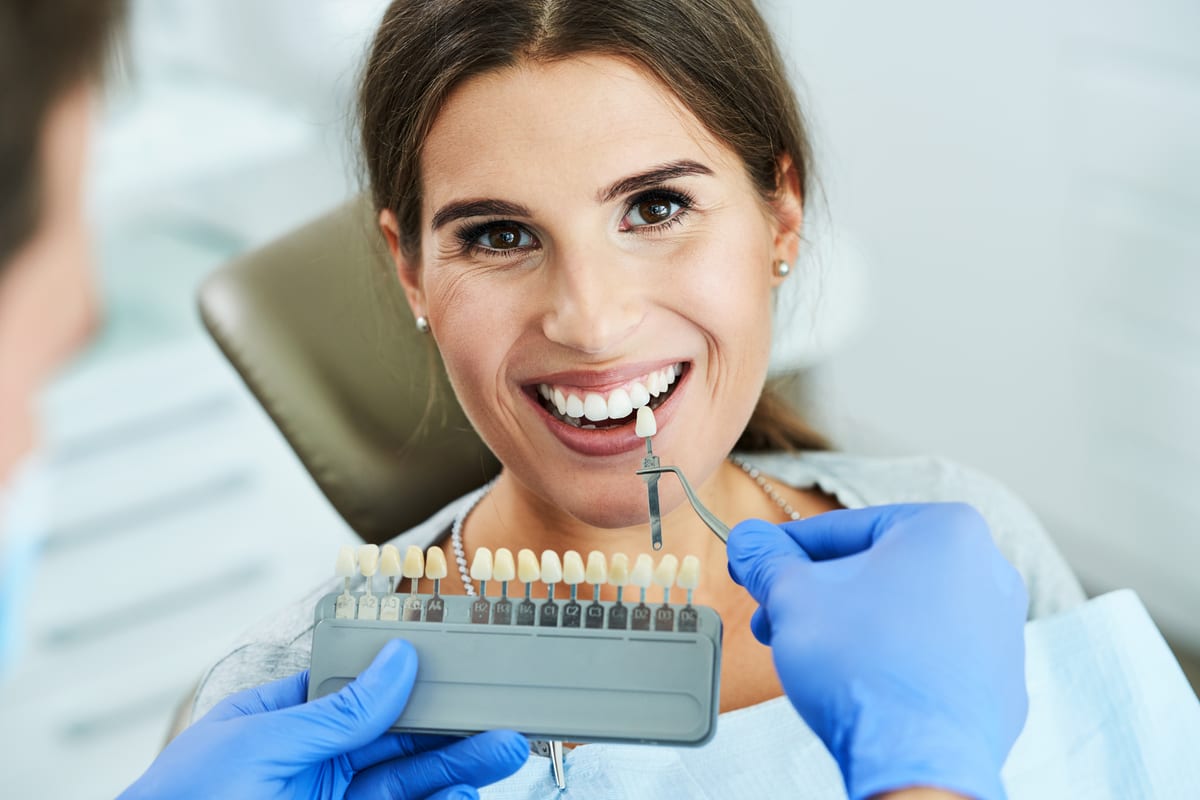
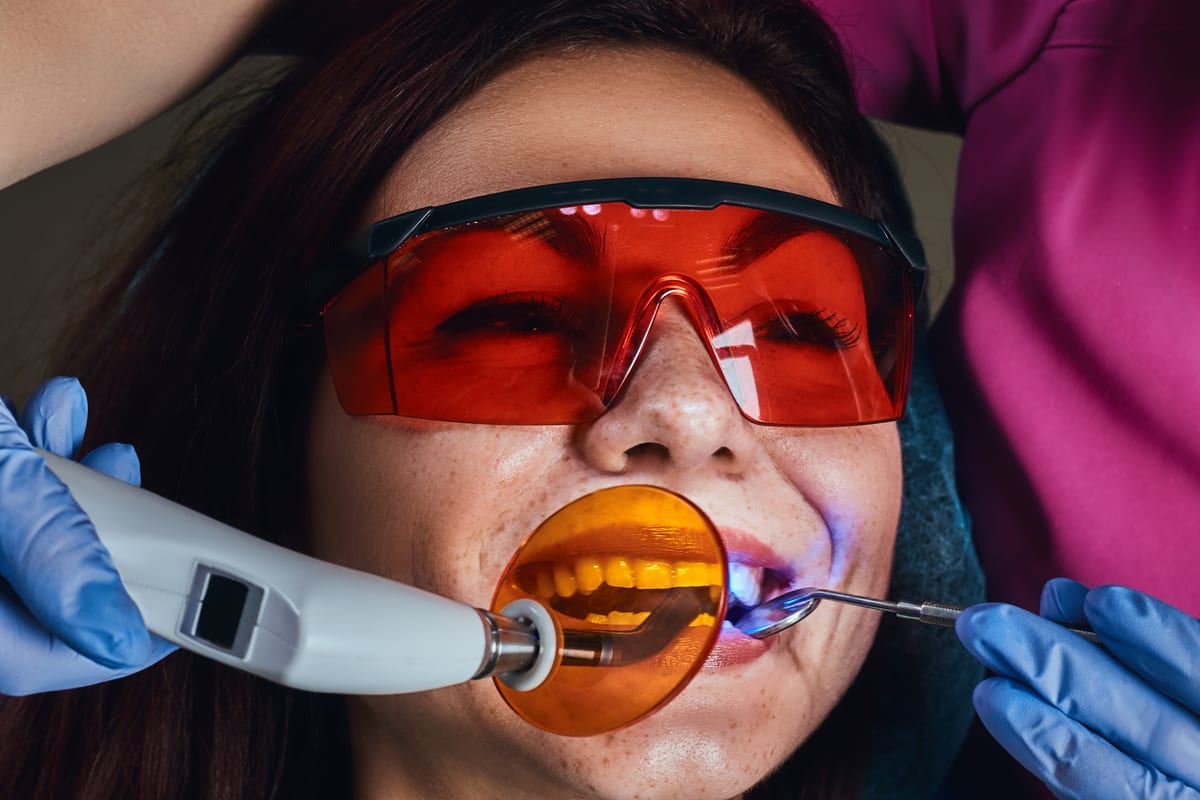
Professional whitening at Hallmark Dental Lewisburg uses custom-fitted trays and a stronger, dentist-grade formula. Dr. Donelson also evaluates your enamel health before treatment. This ensures whitening is safe and effective for your specific teeth. The result is faster, more even, and longer-lasting than anything available over the counter.
If you’ve tried whitening strips before and were disappointed, professional treatment may give you the outcome you were hoping for. Many patients in Lewisburg, TN are surprised by how dramatic the difference can be.
Conclusion: Keep Your Smile Bright With the Right Support
Your whitening results won’t last forever—but with the right habits and professional support, they can last much longer than most people expect. Avoiding heavy staining habits, maintaining consistent oral hygiene, and scheduling regular visits to Hallmark Dental Lewisburg all make a measurable difference. Dr. David Donelson and our team are here to help you get the most out of every smile investment you make. Book Now to schedule your appointment with our team.
Frequently Asked Questions
How long do professional whitening results typically last?
Professional whitening results generally last between six months and two years. The duration depends heavily on your diet, oral hygiene habits, and whether you use touch-up treatments. Patients who avoid heavy staining foods and maintain regular cleanings tend to enjoy results on the longer end of that range.
Can I whiten my teeth if I drink coffee every day?
Yes, you can still whiten your teeth even if you drink coffee daily. However, coffee is one of the primary causes of re-staining after whitening. Rinsing with water after each cup, drinking through a straw, and scheduling periodic touch-up treatments can help you maintain your results despite regular coffee consumption.
Is teeth whitening safe for sensitive teeth?
Many patients with sensitive teeth can still receive whitening treatment safely. Dr. Donelson evaluates your enamel and gum health before recommending any whitening procedure. If sensitivity is a concern, he may suggest a gentler formula or a shorter treatment time to minimize discomfort while still achieving meaningful results.
Why didn’t whitening work on some of my teeth?
Whitening only affects natural enamel stains—it does not change the color of crowns, veneers, or bonding materials. If certain teeth didn’t respond, they may have intrinsic discoloration from medication, trauma, or fluorosis. Dr. Donelson can assess your specific situation and recommend alternatives such as crowns or veneers to achieve a uniform result.
How often should I schedule touch-up whitening treatments?
Most patients benefit from touch-up whitening every six to twelve months. The right frequency depends on your lifestyle and how quickly your teeth re-stain. Dr. Donelson will recommend a maintenance schedule based on your individual habits and the type of whitening treatment you received at Hallmark Dental Lewisburg.