
Dental Veneers in Lewisburg, TN
Are you actually a good candidate for dental veneers in Lewisburg? It is one of the most common questions Dr. David Donelson hears at Hallmark Dental Lewisburg. Veneers can transform your smile dramatically. But they are not the right fit for every patient. Understanding your own candidacy before booking a consultation saves time and sets realistic expectations.
This article walks you through a practical self-screening checklist. We cover tooth structure, gum health, bite issues, and lifestyle habits. By the end, you will have a clearer picture of where you stand.
What Dental Veneers Actually Do — And What They Cannot Fix
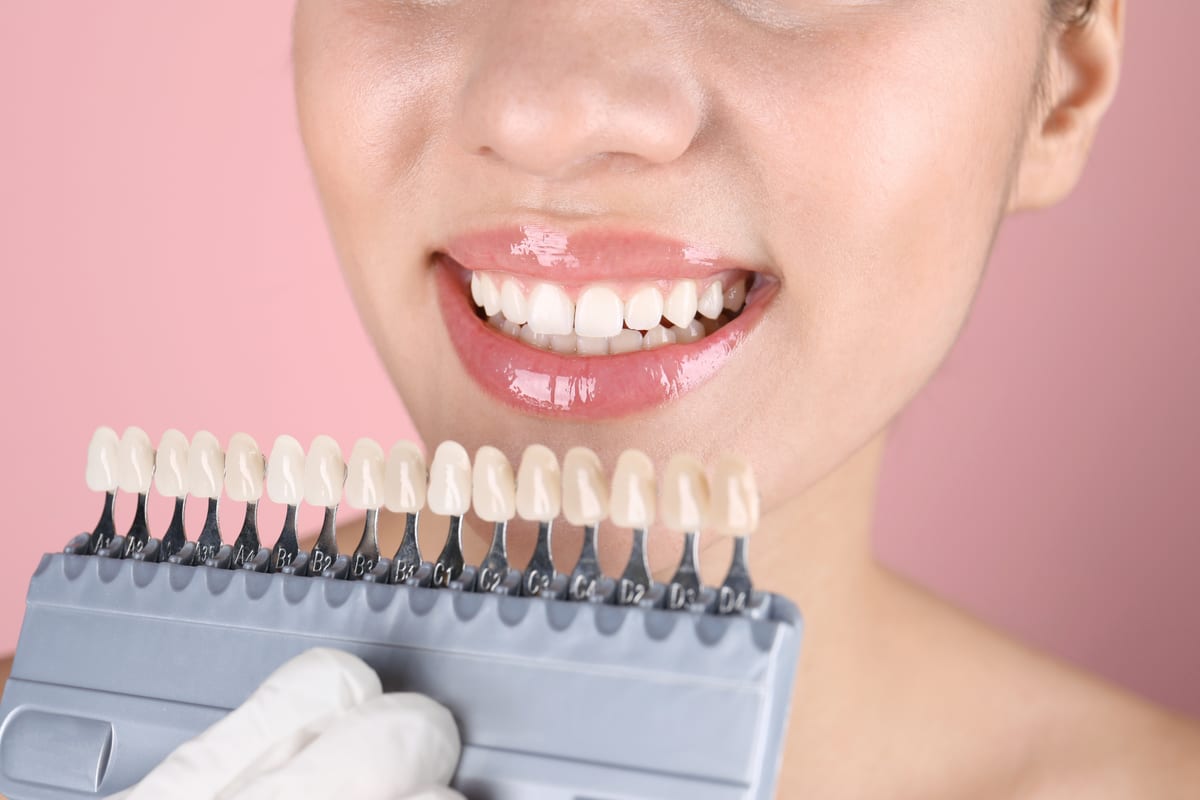
Veneers are thin porcelain or composite shells bonded to the front of your teeth. They mask cosmetic flaws like chips, stains, gaps, and minor misalignment. They do not restore tooth function or treat underlying dental disease. That distinction matters when assessing candidacy.
Good candidates want cosmetic improvement on otherwise healthy teeth. If your concerns are structural or health-related, veneers alone will not solve the problem. Dr. Donelson always addresses underlying issues first. Cosmetic work on compromised teeth rarely lasts.
Patients in Lewisburg often ask whether veneers can replace other treatments. Sometimes the answer is yes. Sometimes a crown, orthodontic treatment, or even Root Canals need to come first. A thorough exam reveals what your smile actually needs.
Are You Actually a Good Candidate for Dental Veneers? Check Your Tooth Structure First
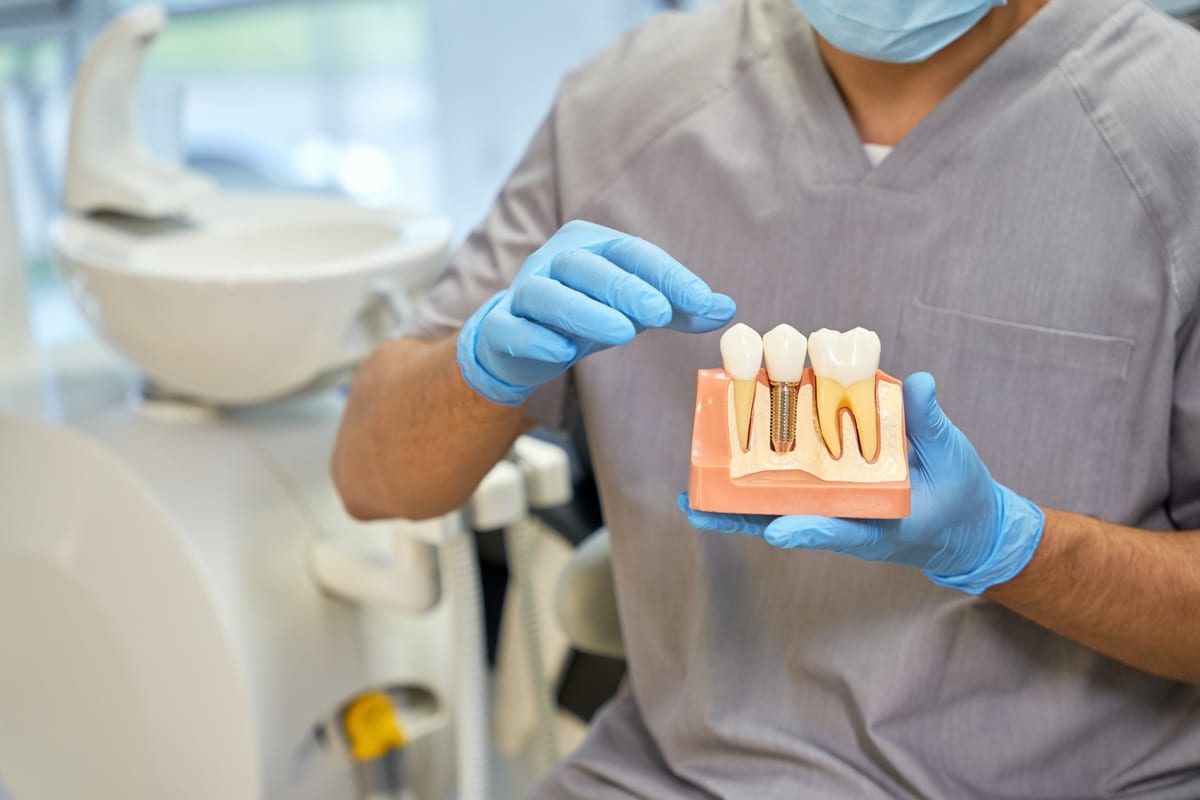
Veneers require enough healthy enamel to bond to. Your dentist removes a small amount of enamel during preparation. That process is permanent and cannot be undone. If your enamel is already thin or heavily eroded, bonding may not hold reliably.
Teeth with large existing fillings can also be tricky. Too much filling material and not enough natural tooth structure affects how well a veneer adheres. Severely worn teeth may need crowns instead. Dr. Donelson evaluates each tooth individually during your exam.
Here is a quick checklist for tooth structure candidacy:
- You have mostly natural enamel still intact
- Your teeth are not severely ground down or eroded
- You have no large untreated cavities on front teeth
- Your teeth are not heavily restored with old fillings
- You have no active cracking or fracture lines
Checking these boxes does not guarantee approval. But failing several of them signals you may need alternative cosmetic or restorative options first.
Gum Health and Bone Support — Why They Matter for Veneers
Healthy gums are non-negotiable for veneer candidacy. Inflamed, bleeding, or receding gums affect how veneers fit and look at the gum line. Placing veneers over unhealthy gum tissue leads to poor aesthetics and potential failure. Gum disease must be treated and fully controlled before any cosmetic work begins.
Gum recession is a specific concern. If your gum line has pulled back, the veneer margin may sit in an awkward spot. This can look unnatural and may cause sensitivity. Your Lewisburg dentist will assess your gum level as part of your screening.
Bone loss from untreated periodontal disease also disqualifies patients temporarily. Bone loss leads to tooth looseness over time. Bonding veneers to mobile teeth wastes the investment. Patients who stabilize their gum disease often become strong candidates after treatment.
Signs your gums may need attention before veneers:
- Bleeding when you brush or floss
- Puffy, red, or tender gum tissue
- Visible gum recession around any front teeth
- Loose teeth or recent bone loss diagnosis
- Persistent bad breath despite good hygiene
Bite Considerations That Can Affect Veneer Longevity
Your bite places enormous pressure on your teeth every day. Veneers sit on the front surface of teeth. If your bite is misaligned, that pressure concentrates in the wrong places. This can chip, crack, or pop off veneers prematurely.
A deep overbite is a common concern. In a deep overbite, your upper front teeth heavily overlap your lower front teeth. This puts direct stress on upper veneers during chewing. Dr. Donelson carefully evaluates bite depth before recommending veneers.
Edge-to-edge bites and underbites also create challenges. These bites cause abnormal wear patterns across front teeth. Correcting the bite first — sometimes with Invisalign or other orthodontics — makes veneers far more durable. Skipping bite correction shortens the lifespan of your investment significantly.
Teeth grinding, known as bruxism, is perhaps the biggest bite-related concern. Grinding generates force many times stronger than normal chewing. Even strong porcelain veneers can fracture under nightly grinding. Patients who grind often need a custom night guard to protect their veneers long-term.
Lifestyle Habits That Affect Whether Veneers Are Right for You
Your daily habits play a real role in veneer candidacy and longevity. Smoking or tobacco use stains composite veneers and can compromise gum health underneath porcelain veneers. Dr. Donelson recommends patients reduce or eliminate tobacco use before pursuing cosmetic treatment.
Nail biting, chewing ice, and using teeth as tools are all veneer hazards. These habits apply unexpected force directly to the veneer surface. Even porcelain can crack under that kind of stress. Honest self-assessment about these habits matters.
Patients with a history of dental anxiety sometimes avoid follow-up care. Veneers require maintenance visits and prompt attention if something feels off. If an Emergency Dentist visit is something you would delay, mention this to Dr. Donelson upfront. Staying on top of care protects your smile investment.
Age also plays a minor role. Teenagers whose teeth are still developing are generally not ideal candidates. Adult teeth that have fully erupted and stabilized provide a better foundation. Most healthy adults in Lewisburg make excellent candidates when other factors align.
What Happens During a Veneer Candidacy Consultation at Hallmark Dental Lewisburg
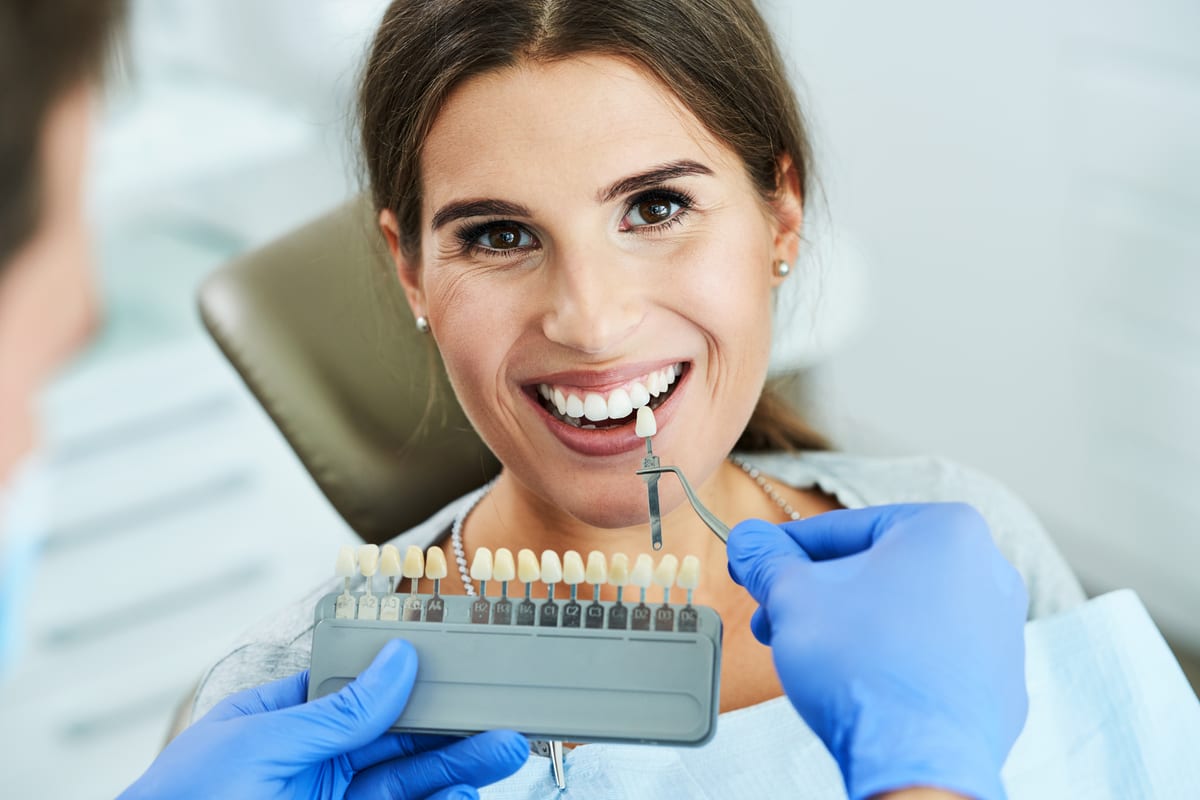
Knowing you want veneers is just the starting point. A proper candidacy evaluation involves several steps. Dr. Donelson uses digital X-rays, a bite analysis, and a full gum assessment during your exam. Photos and impressions may also help with treatment planning.
Here is what to expect at your consultation:
- A review of your dental and medical history
- Digital X-rays to assess bone and root health
- A full gum health evaluation including probing depths
- A bite analysis to identify any alignment concerns
- A discussion of your cosmetic goals and realistic outcomes
- A personalized treatment plan if you are a good candidate
If you are not yet a candidate, Dr. Donelson will outline what needs to happen first. That may include a cleaning, gum treatment, or bite correction. Many patients become candidates within a few months after addressing these issues.
Conclusion — Is It Time to Find Out for Sure?
Dental veneers deliver stunning results for the right patients. But candidacy depends on real clinical factors — not just desire. Tooth structure, gum health, bite alignment, and everyday habits all play a role. The good news is that most concerns are addressable with the right preparatory care.
If you live in Lewisburg and have been wondering whether veneers could work for you, the next step is simple. Schedule a consultation with Dr. David Donelson at Hallmark Dental Lewisburg. Get a professional assessment instead of guessing. Book Now to schedule your appointment with our team.
Frequently Asked Questions
How long do dental veneers typically last?
Porcelain veneers generally last 10 to 15 years with proper care. Composite veneers typically last 5 to 7 years. Longevity depends heavily on oral hygiene, bite health, and avoiding habits like grinding or chewing hard objects.
Do veneers hurt to get placed?
Most patients experience minimal discomfort during veneer placement. Local anesthesia numbs the area during enamel preparation. Some sensitivity is normal for a few days after placement. This usually fades quickly on its own.
Can veneers be whitened if they stain?
Porcelain veneers do not respond to traditional whitening treatments. They resist staining better than natural enamel, but they cannot be bleached. If staining becomes a concern, polishing or replacement may be needed. Composite veneers are slightly more prone to staining over time.
What if I grind my teeth — can I still get veneers?
Teeth grinders can still get veneers in many cases. Dr. Donelson typically recommends a custom night guard to protect the veneers during sleep. Addressing the grinding habit with a guard significantly extends the life of your veneers. Some cases may require bite correction before veneers are placed.
Are there alternatives if I am not a veneer candidate right now?
Yes, several alternatives exist depending on your specific concerns. Teeth whitening, dental bonding, or Invisalign may achieve your goals without requiring veneer placement. In some cases, dental crowns are a better structural solution. Dr. Donelson will discuss all your options during your consultation at Hallmark Dental Lewisburg.