
Dental Implants in Brentwood, TN

Most people are surprised to learn that dental implants can last 20, 30, or even a lifetime. That kind of longevity makes them one of the smartest long-term investments in your oral health. But reaching lifetime success with dental implants in Brentwood requires more than just a good placement procedure. Dr. David Donelson at Hallmark Dental Brentwood helps patients understand exactly what it takes to protect their implants for the long haul.
How Long Do Dental Implants Actually Last?
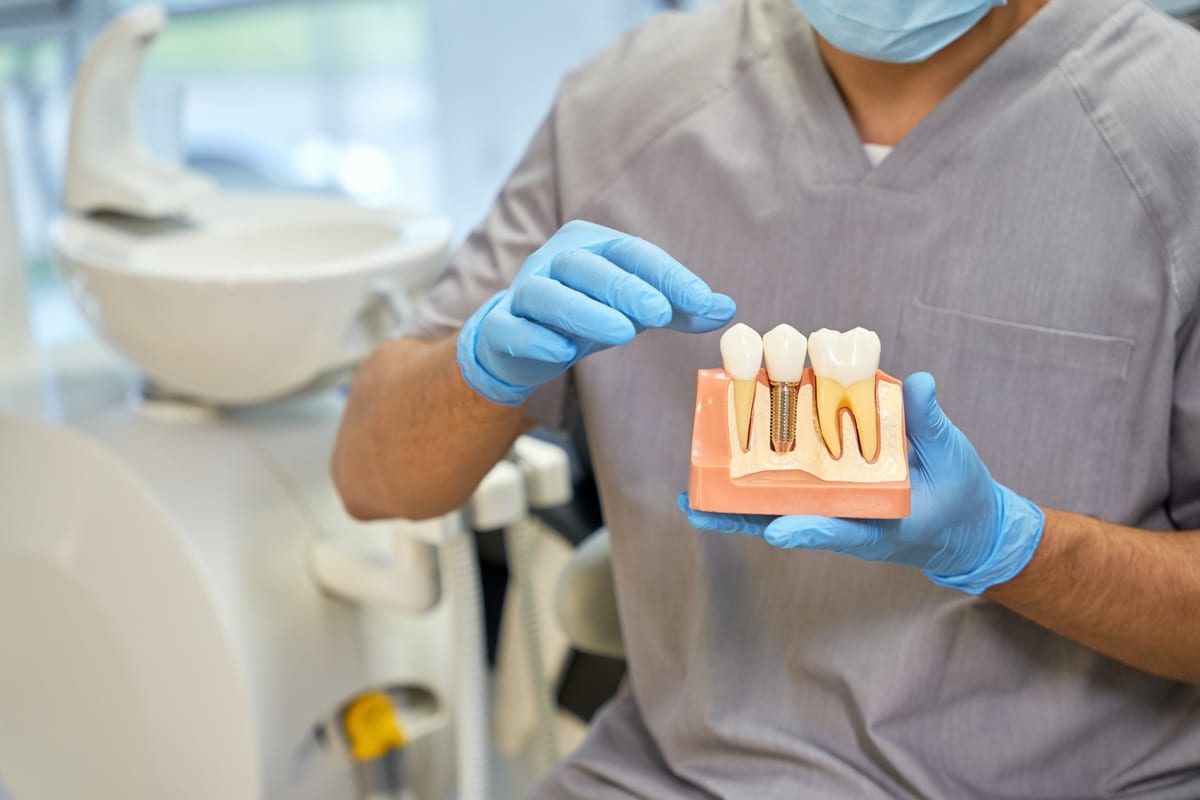
Studies consistently show that dental implants have a 95–98% success rate at the 10-year mark. Many implants function perfectly well for 25 years or more. The titanium post that fuses with your jawbone is incredibly durable. However, the crown attached to the implant typically lasts 10–15 years before it may need replacement.
This distinction matters. The implant itself is designed for a lifetime. The crown is the component that takes daily wear from chewing and grinding. With proper care, you can extend the life of both significantly. Brentwood patients who commit to good habits tend to see the best outcomes over time.
Key Factors That Shorten Implant Lifespan
Not all implants reach their full potential. Several habits and health conditions can reduce longevity. Understanding these risks helps you avoid them before they become a problem.
- Smoking or tobacco use — restricts blood flow and impairs healing around the implant site
- Poor oral hygiene — allows bacteria to trigger peri-implantitis, a gum infection that destroys bone
- Teeth grinding (bruxism) — places excessive force on the crown and the implant post
- Uncontrolled diabetes — slows tissue healing and increases infection risk significantly
- Skipping dental visits — allows small issues to grow into major complications undetected
- Bone loss or gum disease before placement — weakens the foundation the implant depends on
Peri-implantitis is one of the leading causes of implant failure. It behaves similarly to gum disease around natural teeth. Catching it early makes treatment far more effective. That is why routine checkups with Dr. Donelson are essential, not optional.
What Extends Dental Implant Longevity in Brentwood
The good news is that most factors affecting implant longevity are within your control. A few consistent habits make a dramatic difference over the years. Patients who follow these steps tend to keep their implants functioning beautifully for decades.
- Brush twice daily with a soft-bristled toothbrush around the implant crown
- Floss daily using implant-specific floss or a water flosser to clean beneath the gumline
- Attend cleanings every six months so your dental team can monitor bone levels and gum health
- Wear a night guard if you grind your teeth — this protects both the crown and the post
- Avoid hard foods like ice, hard candies, or popcorn kernels that can crack or loosen the crown
- Manage systemic health — controlling blood sugar and quitting smoking dramatically improves outcomes
Dr. Donelson also recommends periodic X-rays to monitor bone density around the implant. This helps catch bone loss early before it compromises stability. Small interventions early are far easier than major corrections later.
The Role of Treatment Planning in Long-Term Implant Success
Longevity begins before the implant is ever placed. Thorough treatment planning is one of the most important factors in lifetime implant success. At Hallmark Dental Brentwood, every implant case starts with a detailed evaluation of your bone structure, gum health, and bite alignment.
If gum disease is present, it must be treated first. Placing an implant into an unhealthy mouth sets it up for early failure. Similarly, patients with insufficient bone may need a grafting procedure to create a stable foundation. Addressing these factors upfront protects your investment for years to come.
Implant placement precision also matters. The angle, depth, and position of the post all affect how forces distribute across the implant during chewing. Dr. Donelson uses careful imaging and planning to optimize every placement. This level of detail is what separates short-term success from true lifetime outcomes.
Sometimes other oral health concerns arise alongside implant care. If you are dealing with tooth pain or infection, getting prompt care is critical. Issues like abscesses can spread and threaten nearby bone. Hallmark Dental also offers Root Canals to save natural teeth when possible, preserving the overall structure of your smile.
When to Seek Help and How to Protect Your Implant Right Now
Even with excellent habits, problems can occasionally arise. Knowing the warning signs helps you act quickly and protect the implant. Do not ignore symptoms that suggest something may be wrong.
Watch for these signs that your implant may need attention:
- Pain or tenderness around the implant site
- Swelling, redness, or bleeding near the gumline
- A feeling that the crown is loose or shifting
- Difficulty chewing that was not present before
If you experience sudden pain or swelling, do not wait for a routine appointment. Prompt evaluation can mean the difference between saving and losing an implant. Hallmark Dental offers care for urgent dental concerns. If you need immediate attention, an Emergency Dentist visit can prevent a manageable issue from becoming a serious one.
The patients who achieve true lifetime implant success are those who stay proactive. They build a relationship with their dental team. They show up consistently, communicate concerns early, and follow the guidance they receive. That partnership is what makes the difference in Brentwood and beyond.
Your Path to Lifetime Implant Success Starts Here
Dental implants are one of the most life-changing treatments available in modern dentistry. With the right foundation and ongoing care, they truly can last a lifetime. Dr. David Donelson and the Hallmark Dental Brentwood team are committed to helping every patient reach that outcome.
Whether you are considering implants for the first time or want to protect an existing implant, we are here to guide you. You deserve a smile that lasts as long as you do. Book Now to schedule your appointment with our team.
Frequently Asked Questions
How long do dental implants last on average?
With proper care, the titanium implant post can last a lifetime. The porcelain crown attached to the implant typically lasts 10–15 years before it may need replacement. Many Brentwood patients enjoy fully functional implants for 25 years or more.
What is the biggest threat to dental implant longevity?
Peri-implantitis — a bacterial infection of the gum and bone around the implant — is one of the most common causes of early failure. Smoking and poor oral hygiene are the leading contributors to this condition. Consistent brushing, flossing, and professional cleanings dramatically reduce this risk.
Can dental implants fail years after placement?
Yes, late-stage implant failure is possible, though less common than early failure. It is usually caused by untreated gum disease, bone loss, or excessive biting forces from grinding. Regular checkups with Dr. Donelson allow any developing problems to be caught and addressed early.
Does smoking really affect dental implant success?
Smoking significantly reduces blood flow to the gums and slows healing around the implant. Research shows that smokers face two to three times the risk of implant failure compared to non-smokers. Quitting before and after implant placement dramatically improves long-term outcomes.
How often should I visit the dentist after getting a dental implant?
Most patients should visit every six months for professional cleanings and monitoring. Dr. Donelson may recommend more frequent visits in the first year after placement. Periodic X-rays help track bone health around the implant and catch any early changes before they progress.